New Zealand floods add to inflation challenge for new prime minister ahead of vote
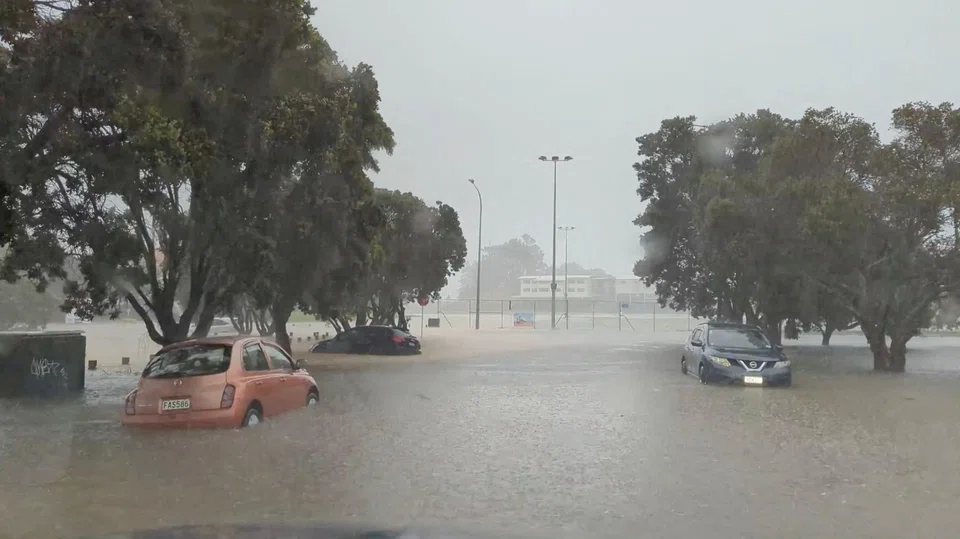
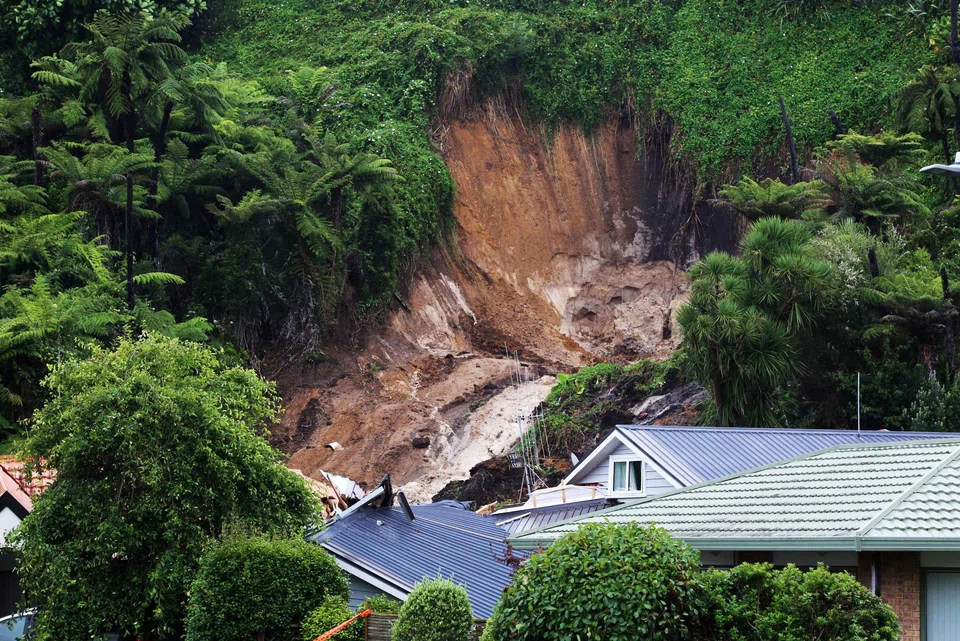
THE worst flooding in New Zealand’s biggest city, Auckland, is heaping more inflationary pressure and is posing a fresh cost-of-living headache for Prime Minister Chris Hipkins, who is trying to win back support for his party ahead of elections this year.
Hipkins, who replaced Jacinda Ardern as prime minister and leader of the Labour Party last month amid a backlash over Covid-19 restrictions, rising cost of living and a worsening housing crisis, has his work cut out, analysts and political observers say.
The intense cost-of-living pressures will be a hot-button issue going into the Oct 14 election, they say, with annual inflation already running at near three decade highs of 7.2 per cent.
“Following the floods a lot of prices will be going up left, right and centre. It was the perfect storm and for the government that we have, they are really up against it in terms of the economic questions and the cost of living,” said Grant Duncan, a professor at Massey University.
“Inflation is going to be very important in the next election,” he said.
Although monetary policy implications are likely to be limited, the floods are “yet another unhelpful inflationary shock,” ANZ said in a note, with many observers warning it will take several months to recover from the significant damage to thousands of houses, roads and vegetable crops.
The central bank has already raised interest rates by 400 basis points since October 2021 in its most aggressive tightening since the cash rate was introduced in 1999, and analysts expect it will treat the floods as a one-off event. Policy rates are still expected to be raised by 50 basis points to 4.75 per cent at the next meeting on Feb 22.
Food prices were up at more than a three-decade high of 11.3 per cent in December year-on-year, and the flooding in Auckland and much of the upper North Island will add to the overall costs for a range of consumer items from cars to couches and onions, analysts say.
The nation’s largest opposition party National has criticised Labour’s handling of inflation and has pledged to reduce spending.

Hipkins, who took office just 10 days ago, has already refocused his government on providing relief for New Zealanders struggling with inflation.
Polls taken in the days after he was appointed saw the Labour Party enjoy a strong bump in popularity and put them ahead of National for the first time in nearly a year.
But managing the near-term inflation shock from the floods and handling the recovery process will be a test for the government, analysts say. At least 200 houses have become uninhabitable, a thousand more need repairs while landslides and flooding on farms and roads have caused extensive damage.
Infometrics, a New Zealand economics consultancy, is estimating the damage at roughly NZ$470 million (S$398.9 million), noting that the repair and replacement process will strain supply chains and add to price pressures.
“There is going to be a temporary inflation pressure coming through given that there is high demand on the likes of building materials, possibly vehicles and similar as part of the recovery efforts,” said Brad Olsen, chief executive of Infometrics.
Moreover, New Zealand is a long way from Asia where most cars, furnishing and even some construction materials are shipped from, adding to the supply-chain snags yet to fully ease off from the Covid-19 crisis.
“You have to imagine that there’s going to be cost pressures generated by such an event. There could be a shortage of materials again. There’s definitely a shortage of labour,” said Kiwibank chief economist Jarrod Kerr. REUTERS
Decoding Asia newsletter: your guide to navigating Asia in a new global order. Sign up here to get Decoding Asia newsletter. Delivered to your inbox. Free.
Share with us your feedback on BT's products and services