New Zealand inflation pushes above RBNZ 1% to 3% target band
The central bank expects it will retreat towards 2% by mid-2026
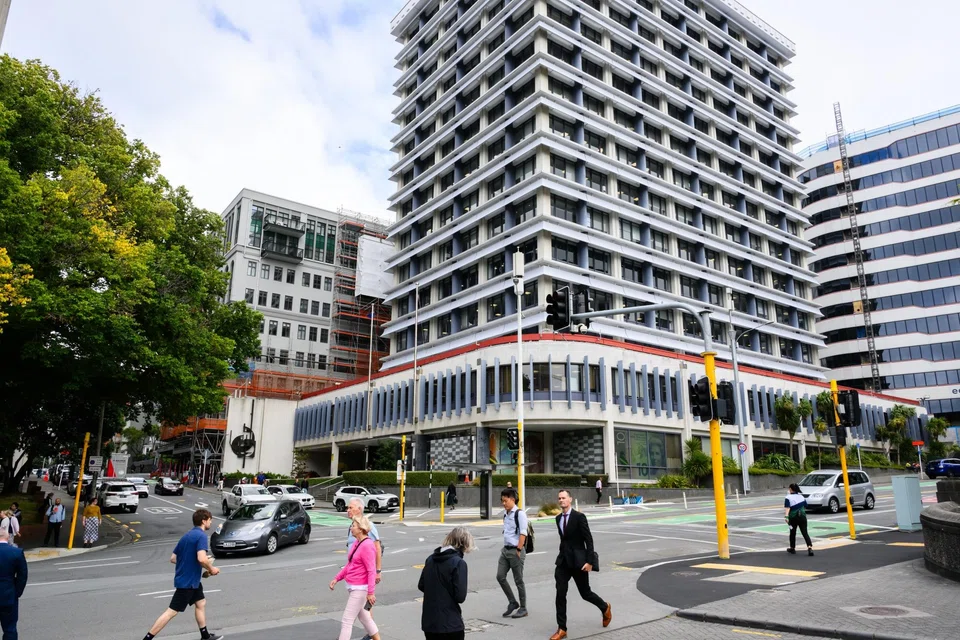
[WELLINGTON] New Zealand inflation pushed above the Reserve Bank of New Zealand’s (RBNZ) 1 to 3 per cent target band in the fourth quarter as an economic recovery keeps pressure on prices.
The Consumers Price Index climbed 3.1 per cent from a year earlier, accelerating from 3 per cent in the third quarter, Statistics New Zealand said on Friday (Jan 23) in Wellington. Economists expected 3 per cent. Prices advanced 0.6 per cent from the preceding three months, more than the 0.5 per cent estimate.
Strong inflation adds to signs that the central bank has finished cutting interest rates even as the gauge is tipped to slow this year because of the amount of spare capacity in the economy. Investors see a strong likelihood of a rate hike by September, but the majority of economists expect the benchmark rate will be unchanged until 2027.
New Zealand’s dollar rose immediately after the data, buying 59.28 US cents at 10.57 am in Wellington from 59.17 US cents beforehand. The yield on interest rate-sensitive two-year government bonds edged higher to 3.3 per cent.
The RBNZ cut the Official Cash Rate to 2.25 per cent in November and signalled it had finished its easing cycle, arguing the slack in the economy would absorb future price pressure as demand recovers. Governor Anna Breman in December pushed back against bets of a rate hike as some banks raised home-loan interest rates.
New Zealand’s economy expanded 1.1 per cent in the third quarter after economists forecast 0.9 per cent growth. Recent gauges of business confidence and manufacturing suggest the economic recovery retained momentum in the final months of 2025 and into the new year.
The RBNZ, which forecast the annual inflation rate would be 2.7 per cent in the fourth quarter, expects it will retreat towards 2 per cent by mid-2026. Key to the outlook is the extent of imported inflation and how that offsets domestic prices.
Imported or so-called tradables prices rose 2.6 per cent from a year earlier, accelerating from 2.2 per cent in the third quarter, today’s report showed. The pick-up was led by meat and the cost of overseas accommodation, the statistics agency said.
Meantime annual non-tradables inflation, a closely watched indicator of domestic price pressures, was 3.5 per cent in the fourth quarter – matching the prior period, today’s report showed. The RBNZ tipped 3.2 per cent in its November projections.
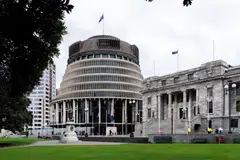



Electricity prices, rents and local government land taxes were the largest contributors to the annual inflation rate, the statistics agency said.
Other Details
- Non-tradables prices increased 0.6 per cent in the quarter, more than economists’ estimates of 0.5 per cent.
- Tradables prices rose 0.7 per cent in the quarter; economists expected 0.4 per cent.
- Core inflation excluding food, energy and fuel was 2.5 per cent, matching the pace in the third quarter. BLOOMBERG
Decoding Asia newsletter: your guide to navigating Asia in a new global order. Sign up here to get Decoding Asia newsletter. Delivered to your inbox. Free.
Share with us your feedback on BT's products and services