

New Zealand jobless rate falls to 5.3% in Q1, labour market remains slack
Economists expect the impact of the Middle East crisis to lag in the employment market

[WELLINGTON] New Zealand’s jobless rate fell to 5.3 per cent in the first quarter, but data released on Wednesday (May 6) indicated plenty of spare capacity in the market and subdued wage growth, leaving expectations for an interest rate hike by July intact.
While the jobless rate was below the 5.4 per cent forecast by a Reuters poll, employment was up just 0.2 per cent compared to expectations of a 0.3 per cent rise and the participation rate was at 70.4 per cent, slightly below the forecast participation of 70.5 per cent.
New Zealand’s economy has been struggling to recover from a post-Covid-19 hangover, with anaemic growth and weak consumer and business confidence. Kiwibank economist Alexandra Turcu said that there was still an uncomfortable amount of slack in the labour market after unemployment hit a 10-year high last December.
“Businesses are understandably cautious in the current environment, and that’s showing up in slower hiring and very limited movement in pay increases,” she said.
The New Zealand dollar moved up slightly to US$0.5892 following the data but there was no move in government bonds. Market pricing still implies a 35 per cent chance of the central bank hiking later this month and has fully priced in a hike for the bank’s following meeting in July.
Economists expect the impact of the Middle East crisis to lag in the employment market, with the true impact not being seen for six to 12 months.
The central bank will be looking at wage inflation for any signs of entrenched price pressures. However, as the data is from the first quarter, it is also likely to have been only partly impacted by the war.
Wage growth increased in the quarter with the private sector labour cost index excluding overtime recording a 0.5 per cent lift, compared with a 0.4 per cent increase in the prior quarter.
The central bank held its official cash rate at 2.25 per cent in April, buying time to assess the fallout from the Middle East conflict. However, it signalled it would act decisively if inflation heats up.
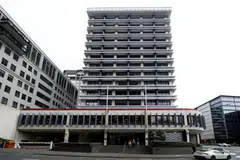


The “benign results” observed in the labour cost index suggest a lower risk of inflation leaking into wages in the near term, ASB Bank economists said in a note, while noting they still expect the RBNZ to start hiking rates in July. REUTERS
Decoding Asia newsletter: your guide to navigating Asia in a new global order. Sign up here to get Decoding Asia newsletter. Delivered to your inbox. Free.
Share with us your feedback on BT's products and services
TRENDING NOW

Two Singapore-listed palm oil firms named in Greenpeace report on Indonesian plantation fires

Singapore Airlines flight returns to San Francisco after ‘unruly’ passenger incident

Singapore looking into which companies responsible for haze-causing fires: PM Wong

Deluge IPO 3.86 times subscribed ahead of SGX debut

