NIESR slashes UK growth forecast as Iran war and inflation hit economy
There was a “high likelihood” of Britain entering a recession in the second half of the year if the conflict drags on
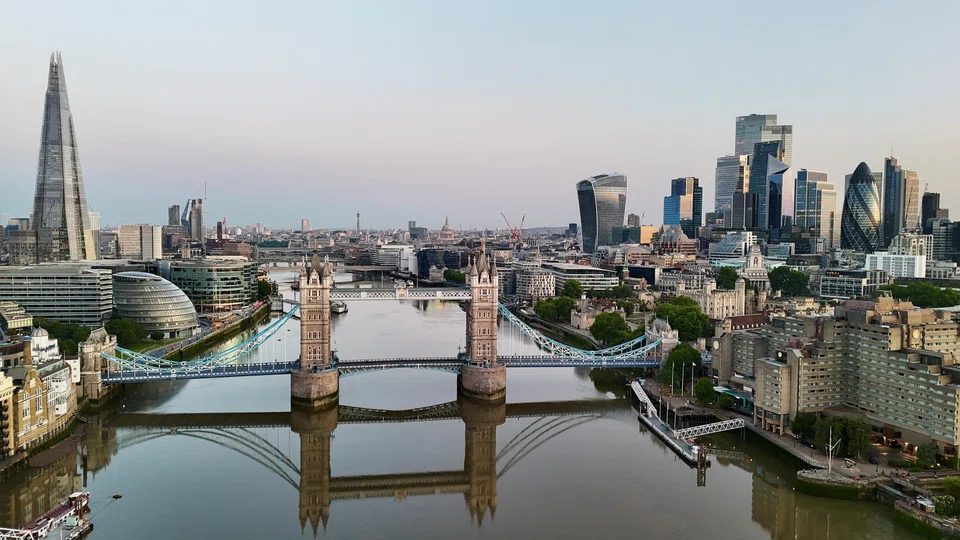
[LONDON] Britain’s economy faces a sharp slowdown this year and in 2027 due to the Iran war, and inflation will stay above the Bank of England’s target until 2028, according to forecasts from a leading think tank published a day before the BoE sets interest rates.
The National Institute of Economic and Social Research said on Wednesday it expected the pace of price growth to speed up to 4.1 per cent at the start of 2027 from 3.3 per cent now due to the surge in oil and gas prices caused by the conflict in the Middle East.
It projects Britain’s inflation rate - the highest of any advanced economy for much of the past four years - to return to the BoE’s 2 per cent target only in 2028.
The economy looks set to grow by just 0.9 per cent this year and 1 per cent in 2027 - sharply below NIESR’s previous growth forecasts made in February of 1.4 per cent and 1.3 per cent for this year and next.
“The Middle East conflict has laid bare the fact that the UK remains highly exposed to global energy shocks,” David Aikman, NIESR’s director, said. The think tank’s 2026 growth forecast was slightly above the IMF’s latest projections.
BOE faces ‘dilemma’
NIESR said it expects wage growth to slow to 3.3 per cent in 2027, as the labour market weakens. The unemployment rate is projected to peak at 5.5 per cent in the fourth quarter of 2026, slightly above the February forecast.
In an adverse scenario, with the conflict dragging on and oil prices rising further, NIESR warned there was a “high likelihood” of Britain entering a recession in the second half.
It predicted the BoE would raise rates only once this year in July, increasing benchmark borrowing costs to 4 per cent from 3.75 per cent.
SEE ALSO



But BoE policymakers would need to hike interest rates by 150 basis points, equivalent to six quarter-point increases taking the Bank Rate to 5.25 per cent, in the adverse scenario.
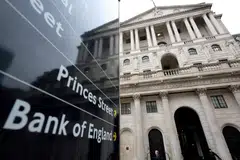
The British central bank is due to publish its own updated economic forecasts on Thursday alongside an expected decision to keep rates on hold. Financial markets were on Tuesday pricing two or possibly three rate increases by the end of 2026.
NIESR said finance minister Rachel Reeves - who is under pressure to help support households facing a rise in the cost of living - would need to run primary budget surpluses, a feat Britain last achieved in 2001, to get a grip on Britain’s “unfavourable” debt trajectory. REUTERS
Decoding Asia newsletter: your guide to navigating Asia in a new global order. Sign up here to get Decoding Asia newsletter. Delivered to your inbox. Free.
Share with us your feedback on BT's products and services