

Nikkei leaps as BOJ springs a surprise
The yen hits the lowest level since 2008 after the Policy Board in a tight 5-4 vote launches a major new round of monetary easing
Tokyo
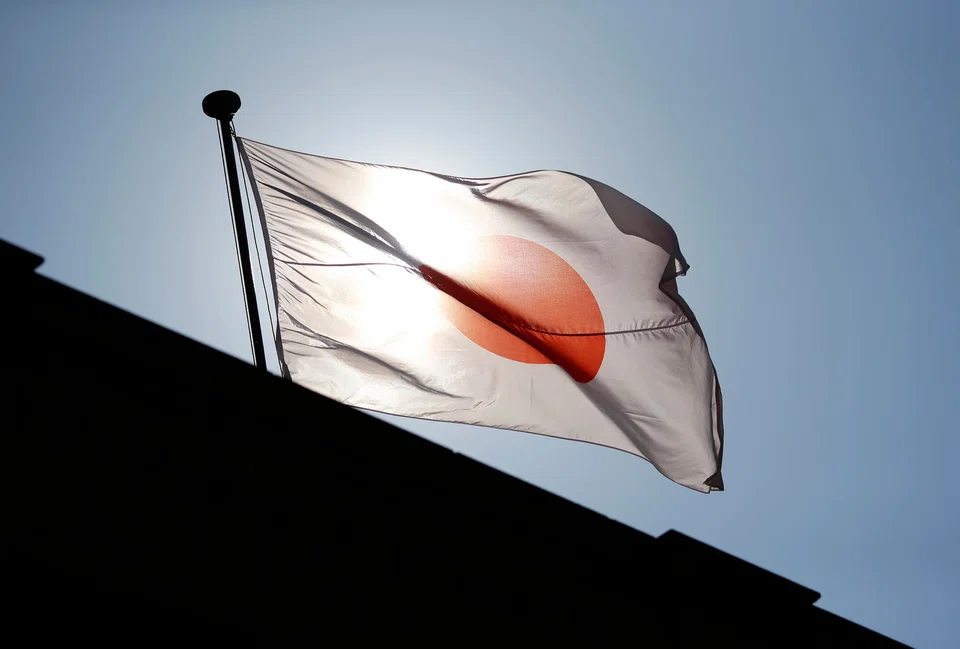
IN one of the closest votes in its history, or that of any other major central bank, the Bank of Japan's nine-member Policy Board voted on Friday by five votes to four to launch a major new round of monetary easing that shocked and delighted financial markets.
The surprise move sent Tokyo stocks soaring to a seven-year high while the yen fell to its lowest level since 2008.
The BOJ's dramatic moves will result in the central bank buying 100 per cent of new Japanese Government Bond (JGB) issues as well as significant extra amounts of private sector financial securities, prompting suggestions by some analysts that it is now "financing" the government's huge fiscal deficit.
The Policy Board's hairline majority vote - with BOJ governor Haruhiko Kuroda among those in favour - was taken on the ground that without further monetary stimulus the Japanese economy could be at risk of falling back toward deflation, especially with oil prices on a falling trend globally, BOJ sources said.
But some saw the surprise decision as being influenced by a need for the BOJ to step up government bond purchases at a time when Prime Minister Shinzo Abe is agonising over whether or not to go ahead with a second consumption tax hike next year, without which some say Japan could face a fiscal crisis.
Markets were caught off guard, with what were seen as the positive aspects of the move for Japan's economy and for corporate earnings sending the Nikkei 225 Average soaring 755.56 points or 4.8 per cent to 16,413.76 - a seven-year high - while the yen plunged to its lowest level against the US dollar since 2008 at 111.00.
"It is easy money, so financials, banks and securities, and real estate stocks stand to benefit further," Masayuki Doshida at Rakuten Securities in Tokyo told Reuters. "Markets were worried about the state of the Japanese economy, especially with the next sales tax rise on the horizon." Japanese shares were also boosted by reports that the Government Pension Investment Fund (GPIF) is poised to approve new investment targets which will raise the allocation for Japanese shares to 25 per cent of its portfolio from the current 12 per cent, Reuters quoted government sources as saying.
Under Mr Kuroda, the BOJ has earned a reputation for adopting shock tactics, such as when it launched a massive quantitative and qualitative easing (QQE) programme in April 2013 aimed at doubling Japan's monetary base within two years and turning chronic deflation into annual consumer price inflation of 2 per cent within the same time frame.
But markets had expected the Policy Board to stand pat on its existing monetary policy at Friday's meeting. Instead, it opted to accelerate money market operations "so that the monetary base will increase at an annual pace of about 80 trillion yen (S$938 billion) - an addition of about 10-20 trillion yen compared with the past," a statement said.
The Policy Board also decided to triple the BOJ's purchases of exchange traded funds (ETFs) and also triple purchases of Japan real estate investment trusts (J-Reits) in order to supply the financial system with extra liquidity in the hope of further stimulating consumption and investment.
In its twice yearly economic outlook published on Friday, the BOJ halved its economic forecast for the current fiscal year in the light of a sharp drop in demand and output which sent gross domestic product plunging by 7.1 per cent in the second quarter of calendar 2014, following the April hike in consumption tax from 5 per cent to 8 per cent.
The central bank also lowered its consumer price inflation (CPI) forecast for fiscal 2014 and fiscal 2015, while emphasising that it still expects to meet its inflation target within the two-year timeframe it had originally set.
The BOJ now expects real GDP to increase by 0.5 per cent in the current fiscal year to March 2015, against the one per cent growth it forecast in July.
"Now is a critical moment for Japan to emerge from deflation," Mr Kuroda told a briefing. "That is why we expanded QQE. Today's step shows our unwavering determination to end deflation."
He added: "Actual price moves have a big impact on inflation expectations. If actual price rises slow, it hurts momentum. There was a risk that despite having made steady progress, we could face a delay in eradicating the public's deflation mindset."
"It is important for the BOJ to strongly commit to achieving its price target to get its price target firmly embedded in people's mindset."
Jesper Koll, the director of research at JPMorgan Securities in Tokyo, described the BOJ move as "very significant". It reasserts Mr Kuroda's leadership over the Policy Board, which was beginning to show open dissent, he said.
"It recognises what we have known, that (Japan's) real economy has been weaker than expected, weaker than forecast, and reasserts (the view) that Kuroda thinks they can do something about this."
The extreme closeness of Friday's vote suggests that any further easing action by the BOJ is going to face severe headwinds, analysts said. A BOJ official admitted that the central bank is "buying time" in the expectation that inflation expectations and consumer and investor sentiment will continue recovering under the impetus of extra monetary stimulus.
While denying that the BOJ is "financing" or underwriting government debt, the official argued that both the the central bank and the government are working together under an agreed pact to fight deflation and to boost economic growth. But he admitted that both face a "tough task" in achieving these objectives.
Mr Abe's popularity with the voters has hinged very much upon the perceived initial success of his Abenomics policies but the recent slowdown in the economy, allied with a number of political funding scandals, have seen his popularity decline sharply.
Given fears that a second increase in the unpopular consumption tax scheduled for October 2015 could send demand and output plunging again, Mr Abe is likely to welcome warmly the BOJ's latest moves, analysts said.
Expectations are rising of a new fiscal stimulus package to counter the economic slowdown but this would further strain Japan's already precarious fiscal position.
TRENDING NOW

Indonesia’s coal tycoon Low Tuck Kwong replaced as Bayan Resources president-director

OCBC names Ang Eng Siong as global corporate banking head in rejig of wholesale banking business

Consider lowering homeownership barriers for some non-resident foreigners

DBS opens flagship investment strategy to retail investors with new fund

