Nikkei seen hitting 30,000 by end of 2023 on economic recovery: poll
 Add BT as a preferred source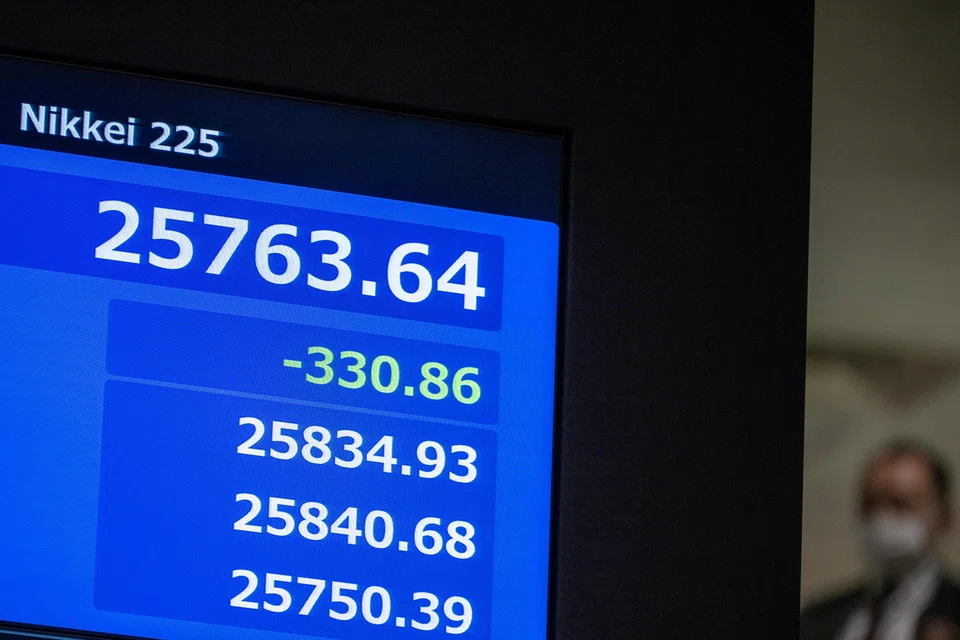
JAPAN’S Nikkei 225 share index will hit the psychological 30,000 level by end-2023 on a better domestic corporate and global economic outlook in the latter part of the year, according to strategists in a Reuters poll.
Strategists expect Japanese companies, many of which rely on exports, to particularly benefit from an improvement in China, which is gaining momentum after ending its zero-Covid policy.
“Japanese companies will issue their outlook for 2023 by May, which will be based on the current macro environment. So the forecast will be conservative,” said Hikaru Yasuda, chief equity strategist at SMBC Nikko Securities.
“But as the environment is not as bad as companies (now) expect, they will slowly raise their forecast towards the end of the year.”
The median estimate of 15 analysts polled on Feb 10-21 was for the Nikkei to be at 30,000 at the end of this year, after rising to 28,000 by end-June.
The end-year forecast is the same as the median from a poll taken three months ago, but the mid-year view is 2,000 points lower.
The International Monetary Fund last month raised its 2023 global growth outlook slightly due to “surprisingly resilient” demand in the United States and Europe, easing of energy costs and the reopening of China’s economy.
“Companies whose businesses are linked with China are expected to perform well,” said Hiroshi Namioka, chief strategist and fund manager, T&D Asset Management.
The 30,000 mark would be a 9 per cent gain from Tuesday’s close of 27,473.10.

The Nikkei, which fell as low as 25,661.89 on Jan 4, the first day of trading this year, has been hovering below 28,000 amid uncertainties about the pace of the US Federal Reserve’s interest rate hikes.
Investors also await details of the Bank of Japan’s monetary policy after Kazuo Ueda takes over as governor in April, replacing Haruhiko Kuroda who has been defending the central bank’s ultra-low rate policy over the past ten years.
Many bond strategists expect Ueda to tweak or abandon the current yield controlling framework, which would push up the benchmark 10-year government yield.
The yen strengthened against the dollar after the BOJ widened the trading band of the 10-year government bond yield at its December policy meeting.
But the yen has since fallen about 5 per cent from its mid-January high against a rising dollar, which has rallied in recent weeks on expectations the Fed has further to go in raising rates.
“Japanese equities are undervalued due to caution for the currency movement,” said Hirokazu Kabeya, chief global strategist at Daiwa Securities.
“They could be lifted if concerns about the yen’s extreme gain against the dollar will be removed.” REUTERS
Decoding Asia newsletter: your guide to navigating Asia in a new global order. Sign up here to get Decoding Asia newsletter. Delivered to your inbox. Free.
Share with us your feedback on BT's products and services