A no-nonsense guide to Tokyo’s sushi scene
How to take on the raw fish capital of the world, one bite at a time
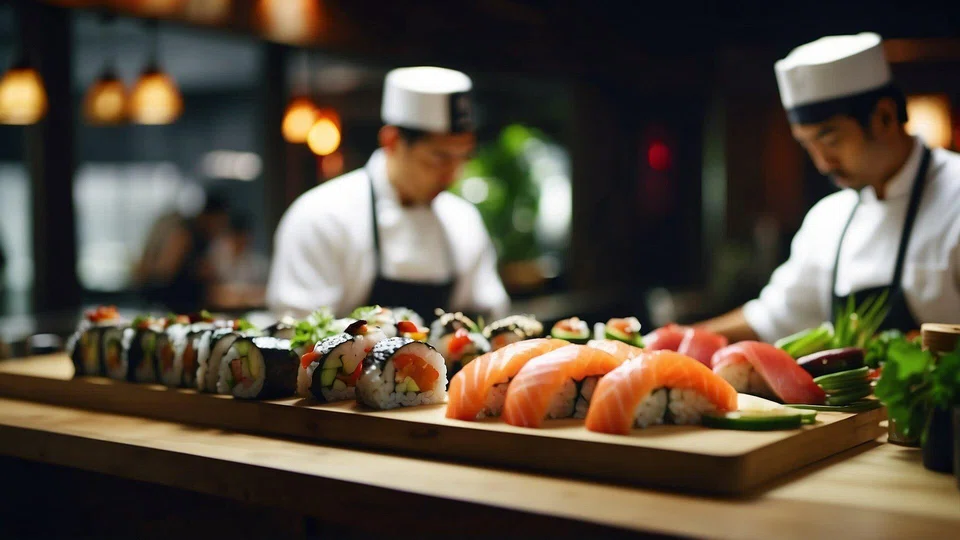
[TOKYO] There may be no sport more gruesome in the realm of travel than scoring a reservation at Tokyo’s most famous sushi establishments. With just six to eight seats – and one or two rounds of service per night – they are the ultimate catch on a holiday in Japan.
Their desirability has only skyrocketed, as international tourism to Japan has grown to an all-time high of more than 42 million arrivals in 2025. This is a 15.8 per cent increase from the year before.
As a result, a set menu meal in Tokyo that was 20,000 yen (S$161) in 2024 is now more than 35,000 yen.
And it is not just because high-paying Americans are happy to spend less than the US$500 omakases they will find in New York, either.
Rising ocean temperatures have made it more difficult for Japanese fishermen to access fecund waters, and petrol costs are driving up wholesale seafood prices.
Additionally, the closure of generational rice farms is making quality rice harder to come by, and global demand is dispersing top talent to more profitable culinary capitals.
None of this makes it easier to find open seats at the sushi counter. Japanese sushiyas prioritise regulars – even at a time when fewer of them can afford to come as frequently.
The most dedicated of these diners build long-term relationships with sushi chefs, often making their next reservation at the end of their meal. Many restaurants even hold empty seats and deny first-time guests, if it means they would be able host a cherished regular.
So how do you break in? This is the most frequent question I get about Tokyo, as someone who has spent more than two decades living, working or making frequent trips there.


First, know that the math works in your favour: There are more than 5,000 sushi restaurants in the city, from cheap conveyor-belt eats to US$1,000 meals showcasing the rarest, most premium ingredients.
Here is how to navigate them, based on my years of experience and recent conversations with esteemed sushi masters, restaurant jurors for World’s 50 Best and top contributors to Opinionated About Dining (OAD).
OAD is a user-generated global dining guide that factors experience into its ranking algorithm.
How much should I spend?
To determine your budget, learn the vocabulary. Kaitenzushi – conveyor belt sushi restaurants – are the most affordable. A meal at Sushiro, the largest such chain in Japan, will only set you back around 2,500 yen per person.
Hiroyuki Sato, the acclaimed sushi master at Hakkoku in Ginza, said: “I take my children to Sushiro at least once a month.”
He added that even the cucumber roll there was a hit, proving the importance of rice quality to the sushi experience.
Up next: Tachigui, also known as stand-and-eat establishments, offer some of the best price-value correlation around. They keep real estate and staffing costs low, so nearly all your yen go directly to your food.
Standouts such as Tachiguizushi Akira, tucked into a basement in the business-centric Shinbashi district, will run you around around 8,000 yen for an a la carte meal.
That buys you a noticeable upgrade in fish quality; fresh catches get carted into the restaurant from a market that is only a mile away.
For great value, try higher-end restaurants at lunch, when a meal can cost half as much as dinner – around 6,000 to 12,000 yen.
The cost difference usually accounts for fewer courses; lunch is also a place for chefs to minimise food waste by using any leftover ingredients from the night before.
A recent favourite is Sushi Komari, a relative newcomer decorated in blonde wood; while it excels with the classics it also offers some playful creations, such as nori-wrapped charred octopus with wasabi and a dab of cream cheese.
If you are not a sushi fanatic, this is where you should cap your spending, as the aforementioned options will still yield better quality than what you can get at home.
Go anywhere fancier and you will have less agency over what you eat, as fine-dining establishments are chef’s choice to accentuate the seasonal delicacies – which in Japan often means more challenging textures to the Western palate, such as raw abalone and shirako (Google it.)
These high-end dinners and omakases start around 30,000 yen and climb to 60,000 yen – at which point, you are largely paying for prestige and bragging rights.
Quality rarely degrades at critical darlings such as Sushi Arai, Sushi Nanba Hibiya and Sawada – the problem is the relative impossibility of getting into any them without knowing a few tricks.
How to choose a high-end restaurant
Very few people have the knowledge it takes to understand the diminutive differences that make sushi go from great to exceptional. Even professional critics struggle here, which is why fish fanatics ignore Michelin and World’s 50 Best.
Tabelog, Japan’s version of Yelp, is seen by Japanese diners as a better authority: Any restaurant with four or more stars (out of five) is regarded as excellent.
Its top 10 sushi restaurants set the gold standard for sushi across the world, but you would do well with most spots in the top 100.
Much like other aspects of Japanese culture and tradition, sushi has clearly delineated rules, with a mission to prioritise the same seasonal ingredients and time-honoured techniques.
So if you are interested in how a chef asserts their creativity, look at their otsumami – the smattering of small courses that precedes the nigiri portion of the meal. These steamed, seared and sauced plates are often how chefs earn acclaim.
When it comes to sushi itself, the differences can be so minute that I find vibes to matter at least as much as food, especially when you are seeking a full experience.
Many masters operate their establishments with such seriousness that they can often feel like sushi mausoleums, which zaps the fun out of the experience. Some do not like foreigners, full stop.
And since most top sushi chefs speak only Japanese, you can find spots with affable, English-speaking staff by Googling a particular restaurant and adding “English” or “foreigner” to your search term; it will give you surprisingly good insight into how comfortable you are likely to feel.
Another hack: Choose a sushi restaurant within a hotel or on the restaurant level of a department store. It often feels more relaxed and geared towards an international palate, though prices can be inflated by around 30 per cent as a result.
Wherever you go, avoid the dreaded sub-counter, where apprentices prepare your meal instead of the master (and often for the same price!).
Many pro-diners I spoke with say these experiences can range from fine to completely lacklustre. But they are easy to spot: Only once in my experience did a booking website not clearly indicate which counter I was reserving.
And finally, if your heart is not set on a particular restaurant, concentrate your energy on places run by rising stars – young masters who have completed their gruelling, decade-long apprenticeships at legendary restaurants and have recently struck out on their own.
The booking site TableAll is your go-to source here, as its restaurant listings contain chef biographies.
Sushi Akira is my current favourite: The chef is laidback and friendly, plus the place does not have a sub-counter and you can still score an online reservation with a month’s notice. Sushi Ryujiro is another worthy choice.
Making the booking
Even when you know where you want to go, booking is complex: Every establishment has its own idiosyncratic system and even five-star hotel concierges have limited power.
The main reservation-making portals are TableCheck, the aforementioned TableAll, Omakase and Pocket Concierge, and most high-end spots use some but not all of them.
If there is an option to sign up for alerts, do – you will get pinged when seats open up at your preferred spot. But be warned, each booking site uses its own algorithm to either prioritise frequent users or those with Japanese phone numbers.
You can invest in the latter with one of the many eSIM services such as Mobal or Ubugi if you are planning a serious food trip to Tokyo. They can also charge exorbitant fees, sometimes adding 30 per cent to the cost of the meal.
Trip timing can be everything. If you want to increase your odds of success, summer travel makes for easier reservations; the seasonal fish selection is less compelling to Japanese diners than in November or December, when crab, pufferfish and mollusks steal the show.
Do not write off second-hand bookings, which could look scammy but are an entire cottage industry in Japan.
Known resellers such as Jad Ibrahim are frequent sushi-hounds who leverage their connections with chefs to scalp counter seats like they are tickets for a sold-out concert.
Oftentimes they will book dinner with “friends”, then sell all but one seat over Instagram and ask you (the buyer) to join them and pay for their meal.
It is not as much of a racket as it sounds (though do your homework on the original price of your intended meal, as some of these dealers like to pay themselves handsomely for their time as well).
The scalpers often speak fluent Japanese and can help elucidate the more arcane aspects of a meal such as highlighting the knife technique used on different cuts of fish, understanding the provenance of various ingredients, or helping you pair your sake with the evening’s courses.
They can also help you with some of the rules of engagement ahead of your night out, of which there are many.
But I can help you there, too: Never wear cologne or perfume, avoid over-photographing your food, plan to wait outside for 10 minutes before your reservation and always greet the chef.
Saying oishii desu (it is delicious) is a nice way to express your appreciation, but complimenting every course can make you look disingenuous. For best results, save it for your favourite dish or the end of the meal. BLOOMBERG
Decoding Asia newsletter: your guide to navigating Asia in a new global order. Sign up here to get Decoding Asia newsletter. Delivered to your inbox. Free.
Share with us your feedback on BT's products and services