‘Not credible’: US’ Asian allies push back against new forced-labour tariffs
New levies are less likely to be overridden by the US courts, says an expert
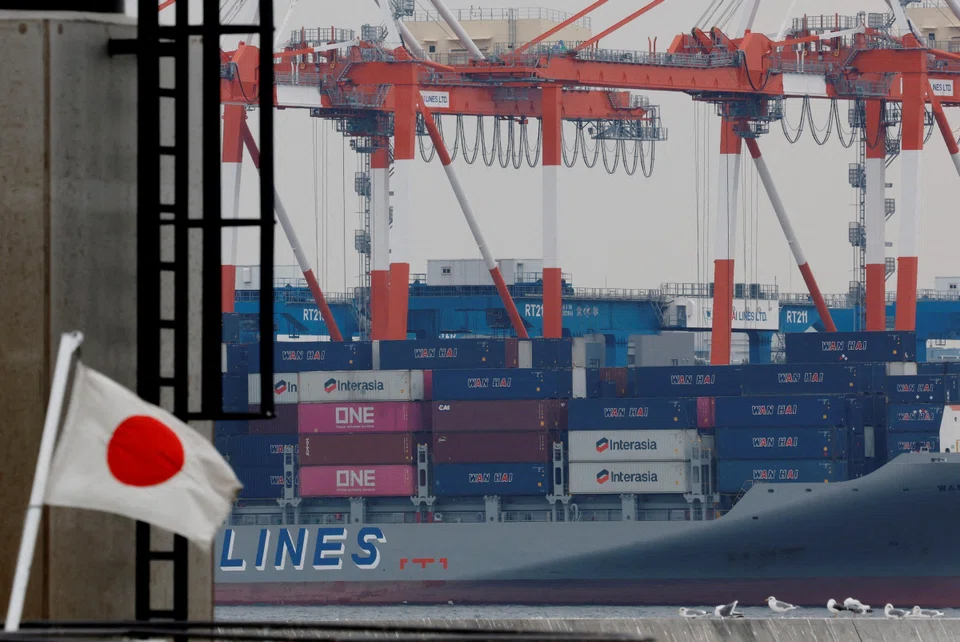
ASIAN nations have described the Trump administration’s latest tariffs as baseless and unjustified, while stopping short of any retaliatory moves.
The US said on Thursday (Jul 23) it will collect duties of between 10 per cent and 12.5 per cent on imports from most major trading partners, following an investigation into the alleged failure of around 60 economies to prevent forced labour in their supply chains.
The decision “is very disappointing but not unexpected. President Trump campaigned on tariffs and this is the consequence,” said New Zealand Trade and Investment Minister Todd McClay.
Australia called the action “unjustified” and inconsistent with its free trade agreement, according to a statement from Trade Minister Don Farrell, who said the US should remove the new duty.
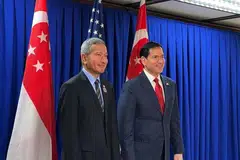
Singapore, which is subject to the 12.5 per cent levy, pushed back against the new tax, with Foreign Minister Vivian Balakrishnan saying there was no economic justification for the action.
Japan also signalled its displeasure and is seeking reassurances that the levies are in keeping with the deal it struck with the US in 2025.
“It is regrettable that tariffs are being imposed on Japan,” Chief Cabinet Secretary Minoru Kihara said at a regular press briefing on Friday. “We are also confirming with the US that, ultimately, no tariffs exceeding those stipulated in last year’s agreement will be imposed on Japan.”
The forced-labour duties aim to restore US President Donald Trump’s protectionist regime after his earlier levies were struck down by the US Supreme Court. After that setback, he instituted a 10 per cent global import tax, which expired on Friday.
The new duties went into effect on Friday at 12.01 am New York time (12.01 pm in Singapore), ensuring that there was no gap between the two.
SEE ALSO

The changes “will barely move the dial on levies on China” said Bloomberg economist Chang Shu. “For China’s export machine, any impact will be hard to see. For growth, the picture hasn’t changed.”
“The changes will see China facing higher tariffs in absolute and relative terms – but only marginally,” she added. “The modest adjustments won’t dent China’s manufacturing prowess – barring an unexpected breakdown in the ongoing China-US trade truce.”
‘Not credible’
The US allies denied there is any evidence of forced labour in their economies.
“Australia’s measures to combat forced labour and modern slavery are among the strongest in the world, and we are recognised globally, including in the US, for our leadership,” according to Farrell.
New Zealand’s McClay said “it’s just not credible that imports created with forced labor play any measurable role” in the country’s economy.” He described the US Trade Representatives investigation as a “legal pretext” for new levies.
Unlike the previous tariffs imposed in 2025, these new levies are less likely to be overridden by the US courts, according to Wendy Cutler, a former US trade negotiator and lawyer who is now at the Asia Society Policy Institute in the US.
“Our trading partners will be disappointed with these results, but retaliation is not expected,” she said. “They will continue efforts, however, to reduce their dependence on the US market, by forging trade deals among themselves.”
The tariff hikes may not affect a large chunk of the goods heading to the US, as there are a series of exemptions and quotas in place under the various free trade agreements the US has with other countries. For instance, over 40 per cent of New Zealand’s exports to the US last quarter were beef, which enter the country at an almost 0 per cent tariff rate. Australian exports of the meat also face no tariffs.
“I think that the impact will be moderate, and that’s probably already been factored into the investment decisions of most participants,” said Graeme Miller, chief investment officer of A$86 billion (US$60.1 billion) Australian pension fund Mercer Super.
Although no tariffs would be preferable, “even if these tariffs are introduced as as announced, I think markets are telling us that they don’t foresee particularly particularly grave consequences.” BLOOMBERG
Decoding Asia newsletter: your guide to navigating Asia in a new global order. Sign up here to get Decoding Asia newsletter. Delivered to your inbox. Free.
Share with us your feedback on BT's products and services