

Oil drops as Iran reviews proposed US agreement
Brent crude futures fall 0.7% to US$94.29 a barrel at 1307 GMT
[LONDON] Oil prices dropped on Tuesday (Jun 2), paring the previous session’s sharp gains.
This is as Iran reviews a proposed agreement with the US to halt the war between the two countries, Iran’s Mehr News reported.
Brent crude futures were down US$0.69, or 0.7 per cent, at US$94.29 a barrel at 1307 GMT, while US West Texas Intermediate (WTI) fell US$0.82, or 0.9 per cent, to US$91.34 a barrel.
Having fallen more than 16 per cent in May on hopes of a peace deal, Brent and WTI on Monday rose over 3 per cent and 5 per cent, respectively.
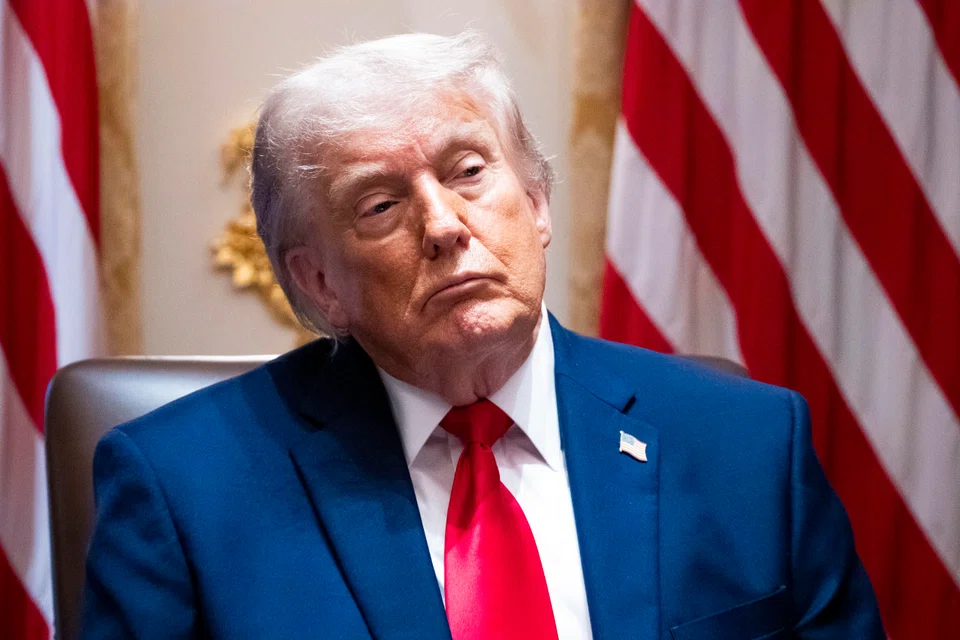
US President Donald Trump said on Monday that negotiations with Iran were continuing and a deal to extend the ceasefire and reopen the Strait of Hormuz over the next week would be in place.
Iran has not yet responded to a proposed final text of the temporary deal, Mehr cited a source as saying.
Eyes on Hormuz and stockpiles
UBS analyst Giovanni Staunovo said that despite the developments on talks, “oil flows through the Strait (of Hormuz) remain restricted”.
On Tuesday, the head of the International Energy Agency’s oil industry and markets division, Toril Bosoni, said that global oil inventories could hit critical or historically low levels just ahead of the peak summer demand period, if stock draws continue at their current pace.
An executive from Abu Dhabi’s state oil company also said on Tuesday that August can mark a tipping point for much higher oil prices if demand picks up, and the Iran war supply crisis persists.

Tim Waterer, chief market analyst at KCM Trade, said: “The market is currently focused on whether there’s any concrete progress or setbacks in US-Iran negotiations, the tone and substance of statements from both sides (particularly Iran’s threats regarding the Strait of Hormuz), and actual physical tanker movements through the waterway.”
The status of negotiations will determine whether the current risk premium remains embedded in oil prices or if it starts to unwind, he added.
Iran has effectively halted most non-Iranian shipping in and out of the Gulf since the war began, choking off about a fifth of global oil and liquefied natural gas flows – driving prices up by 50 per cent or more.
The US has also maintained a blockade on Iranian ports.
Lebanon on Monday announced a partial ceasefire between Hizbollah and Israel, a limited de-escalation in a conflict that has fuelled the broader war with Iran.
A preliminary Reuters poll showed that US crude stockpiles were expected to have fallen by about 3.6 million barrels in the week ended May 29, extending the prior week’s draw, while distillates and petrol inventories were also anticipated to be lower.
Meanwhile, Russia pounded cities across Ukraine with hundreds of drones and dozens of missiles early on Tuesday, in attacks that authorities said killed 18 people and wounded more than 100. REUTERS
Decoding Asia newsletter: your guide to navigating Asia in a new global order. Sign up here to get Decoding Asia newsletter. Delivered to your inbox. Free.
Share with us your feedback on BT's products and services
TRENDING NOW

Once staunchly pro-China, Malaysian Chinese businesses are now distancing themselves from Beijing

Inside Singapore’s government team that kills its own products

Johor’s investment boom is real, but actual contribution from JS-SEZ unclear
Inside F1: How ‘reactive’ DHL acted quickly to fit Malaysia race just before Singapore’s

