

Oil near US$100 puts US Fed and other central banks under pressure as inflation fears resurface
Oil prices are just one of the potential inflation risks confronting policymakers
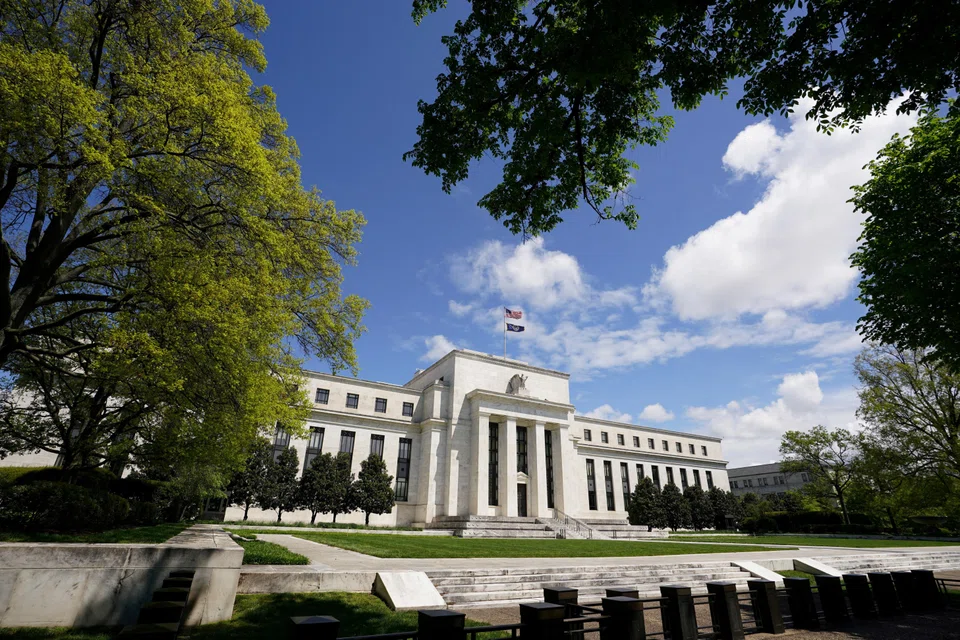
FROM Washington to London to Tokyo, central bankers are set to reveal just how worried they are about a return of oil to about US$100 a barrel.
Three days of Group of Seven rate decisions, starting with the US Federal Reserve on Wednesday (Jul 29), followed by peers at the Bank of England and Bank of Japan, may show varying degrees of vigilance at the prospect of more energy-driven inflation, even if none is predicted to act on that for now.
Together with the European Central Bank’s signal of its readiness to hike interest rates again, investor bets point to possible moves as soon as September within much of that club, even if economists are less sure.
Crude oil’s brief foray above the US$100 level it last exceeded two months ago is just one of the potential inflation risks confronting policymakers.
Aside from gains in other energy categories such as gas, investors are honing in on the implications of massive investment in artificial intelligence, as well as US President Donald Trump’s bid to rebuild a wall of tariffs after setbacks at the US Supreme Court.
Global bond markets point to some alarm among investors, with yields having jumped across the Group of Seven. On Friday, the US 30-year yield was just below its highest since 2007.
Other ripples from the renewed cost-of-living hit may be seen in central bank decisions around the world, with more than a dozen scheduled for the week starting Jul 27.
Elsewhere, euro-zone growth and inflation numbers, Tokyo consumer prices, and South Korean exports will be among the highlights.
US and Canada
The US Fed’s Jul 29 rate decision is approaching with more suspense than many anticipated after June consumer price data in the US came in much cooler than expected. That has been overtaken, however, by renewed hostilities in the Middle East.



The resulting surge in oil prices has boosted expectations for dissent from some officials – possibly Dallas Fed president Lorie Logan and Cleveland’s Beth Hammack – who favour a rate increase now. It has also sparked widespread discussion over whether new US Fed chairman Kevin Warsh might surprise investors with a hike.
“We expect a hawkish hold,” said Bloomberg Economics’ Anna Wong, Andrew Sacher and Eliza Winger. “Warsh is likely to stress that inflation remains too high and keep a September hike in play, but the soft CPI data should be enough to prevent action this month.”
On Jul 30, a day after the decision, investors and policymakers will get an updated look at the state of economic activity, the US Fed’s preferred inflation gauge, and consumer spending.
US government data is projected to show gross domestic product rose at an annualised 2.1 per cent pace in the second quarter, fuelled by consumers and business investment. A separate report is forecast to show a key inflation measure slowed in June amid lower gasoline prices that have since turned higher.
Asia
It is another busy week for the Asia-Pacific region, with several important monetary policy decisions and trade releases.
First up is the Monetary Authority of Singapore policy decision, where markets will be watching closely to see whether the central bank adjusts the slope of its exchange-rate policy band. Pakistan’s central bank will also announce its policy rate.
The morning of Jul 31 brings a data dump from Japan, with industrial output, retail sales and jobless data for June as well as inflation in Tokyo for July.
The latter figure is a leading indicator for the nation and should give some guidance about what the Bank of Japan will decide later the same day. Taiwan will also announce second-quarter GDP on Jul 31.
Earlier in the week, Australia reports June consumer inflation, and Reserve Bank of Australia deputy governor Sarah Hunter is scheduled to speak on Jul 30. That comes after June data showed the labour market still going strong, upping expectations for more rate hikes.
It is a big week for trade data, with South Korea releasing its July trade stats on Aug 1. Before that comes June figures for Hong Kong, the Philippines and Thailand.
Asian countries including South Korea have been reporting record export numbers almost every month due to the soaring AI trade, and July looks like it will be more of the same, with foreign shipments up more than 50 per cent on year in the first 20 days of July.
Europe, Middle East, Africa
Officials in the euro zone will get an initial batch of data to help them gauge if they should deliver another rate hike.
GDP likely rebounded with a 0.2 per cent increase in the second quarter, while inflation picked up to 2.9 per cent in July, according to the median forecasts of economists. Those numbers are scheduled for Jul 30 and 31, respectively.
Belgium and Ireland kick off the release of growth data on Jul 29. Other national numbers the following day may show a 0.1 per cent increase in Germany, a return to expansion in France, stagnation in Italy and continued robust momentum in Spain.
The reports are likely to confirm the backdrop that European Central Bank President Christine Lagarde pointed to in her remarks on Thursday, with the economy showing “some improvement” and an inflation shock from the Iran war “yet to play out.”
Germany’s Ifo survey may draw scrutiny too. Aside from pointing to the ongoing impact of the Iran conflict, the business index, due on Jul 27, may reveal if economic reforms unveiled in Berlin have buoyed sentiment at all.
Aside from further policy announcements from new Prime Minister Andy Burnham, the UK highlight is likely to be the Bank of England rate decision on Jul 30. While no change is anticipated, a minority faction voting to hike borrowing costs is also likely.
Some other monetary decisions are on the schedule around the region:
- After pausing its easing cycle in March, Mozambique is expected to raise borrowing costs on Jul 29 as surging inflation, foreign-exchange shortages and fiscal pressures intensify.
- On Jul 30, Malawi, which faces many of the same challenges, is expected to leave its rate unchanged at 24 per cent.
- In Ukraine on Jul 30, policymakers are predicted to stay on hold as well. The rate there has been at 15 per cent since January.
Separately, the South African Reserve Bank will hold its annual general meeting on Jul 31. Governor Lesetja Kganyago may shed more light on why the central bank decided to keep borrowing costs steady on Jul 23, and what its concerns are going forward.
Latin America
Central bankers in Chile are widely expected to keep their key rate unchanged at 4.5 per cent for a fifth straight meeting, as slack demand and tepid growth are getting the better of slightly over-target inflation.
Economists and traders surveyed by the bank see a hold this time around, although the rapidly intensifying Iran war has sent one- and two-year swaps higher.
Brazil watchers may pay a bit more attention than usual to the central bank’s weekly Focus survey after the previous release showed 2026 inflation expectations had dipped while those for 2028 all but jumped. At the same time, average forecasts for 2029 and 2030 drifted higher.
With Banco Central do Brasil’s market readout in the books, next up is the mid-July inflation report. Most analysts see the surprise slowing in June’s full-month print – to 4.64 per cent – as a head fake, with higher figures likely in the months ahead.
The focus in Mexico will be on the flash reading of April-June output, which slumped to a -0.6 per cent quarter-on-quarter print in the three months through March.
Latam’s No 2 economy likely rebounded as disinflation and lower interest rates buoyed domestic demand, holding up against the drag from US tariffs and Trump’s mercurial trade policies – which are also dragging on investment.
In Colombia, the central bank closes out the week and month with its monetary policy meeting.
While many observers see June’s win by Abelardo de la Espriella in the presidential runoff election as a major plus for the central bank and monetary policy, the Central Bank of Colombia still faces a challenge in taming consumer price increases. BLOOMBERG
Decoding Asia newsletter: your guide to navigating Asia in a new global order. Sign up here to get Decoding Asia newsletter. Delivered to your inbox. Free.
Share with us your feedback on BT's products and services
TRENDING NOW

Singapore identifies 7 firms responsible for haze fires, notices issued urging action: Grace Fu

Philippine power giant First Gen rebuffs foreign offers, plans up to US$2.6 billion in expansion
DBS remains analysts’ pick ahead of Q3 earnings after Singapore banks’ share slump

Indonesia imposes US$116 million in fines over manipulation of Sinar Mas, Prajogo-linked stocks

