

Oil prices fall on US dollar strength, economic fears
 Add BT as a preferred source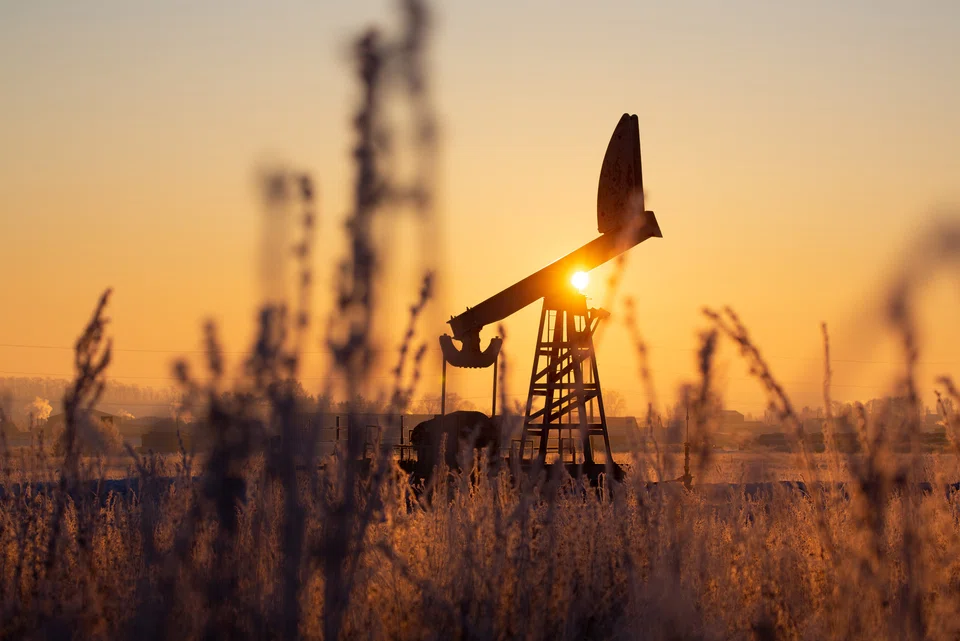
OIL prices fell in a volatile market on Tuesday (Dec 6) as the US dollar stayed strong. Meanwhile, economic uncertainty offset the bullish impact of a price cap placed on Russian oil and the prospects of a demand boost in China.
Brent crude futures fell US$1.21 or 1.46 per cent to US$81.47 a barrel by 1254 GMT (8.54 pm Singapore time). West Texas Intermediate (WTI) crude fell US$1.18 or 1.53 per cent to US$75.75. In Asian trading, Brent rose by over US$1.
Crude futures on Monday recorded their biggest daily drop in two weeks after US services industry data indicated a strong economy. This drove expectations of higher interest rates than recently forecast.
The US dollar index edged lower on Tuesday. But it was buoyed by bets of higher interest rates, following the biggest rally in two weeks on Monday. A stronger greenback makes US dollar-denominated oil more expensive for buyers holding other currencies, reducing demand for the commodity.
Tamas Varga of oil broker PVM said that inflationary headwinds “could still cause global economic turbulence in coming months”.
In China, more cities are easing Covid-related curbs, prompting expectations of increased demand in the world’s top oil importer. Sources said the country is set to announce a further relaxation of some of the world’s toughest Covid curbs as early as Wednesday.
Varga said: “China’s gradual Covid opening is a tentatively positive development.”
The market was weighing the production impact of a price cap of US$60 a barrel set by the G7, European Union (EU) and Australia on Russian crude. This contributed to market volatility.
The price cap added to the disruption caused by the EU’s embargo on Russian crude imports by sea. Similar pledges were made by the US, Canada, Japan and Britain.
Russia declared its intention not to sell oil to anyone who signs up to the price cap.
Commerzbank analyst Carsten Fritsch said the EU embargo is likely to tighten market supply as it has to source crude from elsewhere.
Meanwhile, analysts from Rystead energy noted that the threat of losing insurance will limit Russia’s access to the tanker market and could reduce crude exports by 500,000 barrels per day from February levels.
Russian Deputy Prime Minister Alexander Novak said Russia’s oil and gas condensate rose 2.2 per cent year on year, to 488 million tonnes for the period between January and November. He expected a slight output decline following the latest sanctions. REUTERS
Decoding Asia newsletter: your guide to navigating Asia in a new global order. Sign up here to get Decoding Asia newsletter. Delivered to your inbox. Free.
Share with us your feedback on BT's products and services
TRENDING NOW
Indonesian court upholds earlier dismissal of 2.28 trillion rupiah claim on Keppel unit’s land
Xi Jinping has just rewritten the rules of US-China rivalry

Wilmar, Musim Mas among palm-oil firms in Indonesia under probe for suspected export under-invoicing

China traders rush for exit after cross-border flow crackdown

