

Oil prices slump to pre-Ukraine crisis levels on economic jitters
 Add BT as a preferred source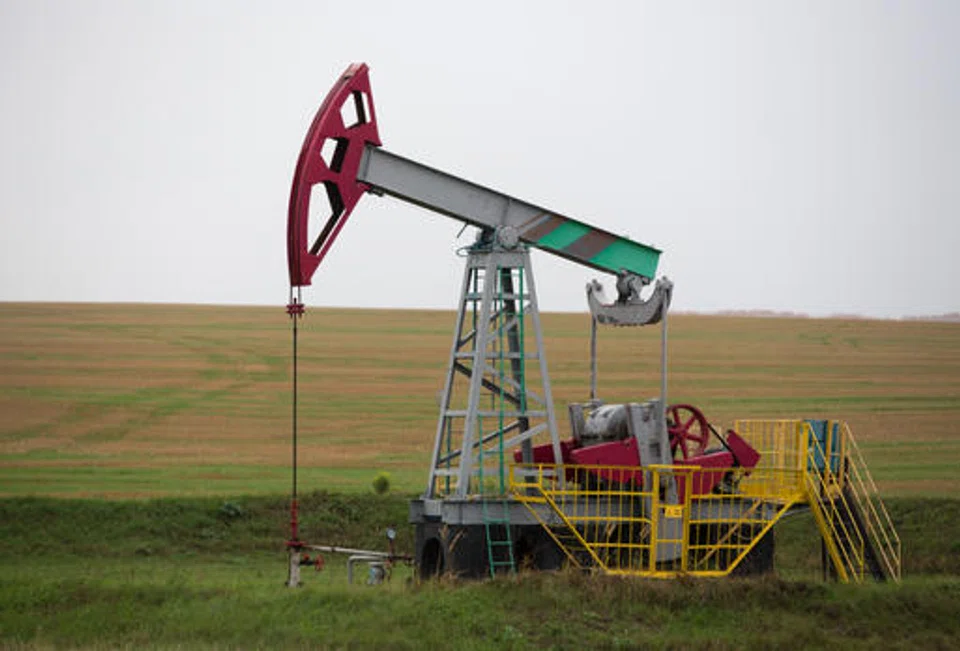
US oil prices fell in frenzied trading on Tuesday to their lowest settlement levels this year, with Brent finishing below US$80 per barrel for the second time in 2022, as investors fled the volatile market in an uncertain economy. Brent crude futures fell US$3.33, or 4 per cent, to settle at US$79.35 a barrel. WTI crude futures fell US$2.68, or 3.5 per cent, to settle at US$74.25 a barrel, their lowest settlement this year.
Prices have dropped by more than 1.0 per cent for three straight sessions, giving up most of their gains for the year. A string of bearish news has unnerved investors despite an ongoing war in Ukraine and one of the worst energy crises in recent decades. “It’s been quite the three days – with Opec+ deciding not to further cut production on Sunday, the toothless start of the Russian price cap and sanctions yesterday, and a rout in equity markets today, oil speculators are charging for the exits amid a flight from risk assets,” said Matt Smith, lead oil analyst at Kpler. Service-sector activity in China has hit a six-month low, and European economies have slowed due to the high cost of energy and rising interest rates. Wall Street benchmarks also tumbled on Tuesday on uncertainty around the direction of Federal Reserve rate hikes and further talk of a looming recession. Tuesday’s slump was the largest daily decline in Brent prices since late September, which have traded in a US$62 range this year – their widest swing in a single year since the 2008 financial meltdown. “We could be looking at US$60-a-barrel WTI the way that things are going,” Eli Tesfaye, senior market strategist at RJO Futures said. “I think US$80s are going to be the new high, and I would be very surprised to see any higher than that.”
The oil market has also largely overlooked threats to supply, such as the one from a G7 price cap of US$60 on Russian seaborne crude oil exports, which is likely to make the country cut its oil output. Russia has said it will not sell oil to anyone who signs up to the price cap.
Russia’s January-November oil and gas condensate production rose 2.2 per cent from a year ago, according to Deputy Prime Minister Alexander Novak, who expects a slight output decline following the latest sanctions.
In China, more cities are easing Covid-19-related curbs, prompting expectations of increased demand in the world’s top oil importer, although that has not been enough to stop the bleed in oil futures.
“Oil markets will likely stay volatile in the near term, driven by Covid-19 headlines in China and central bank policies in the US and Europe,” UBS analyst Giovanni Staunovo said.
Meanwhile, US crude oil stocks are forecast to have fallen last week.
The American Petroleum Institute’s weekly report is due later on Tuesday, followed by government data on Wednesday. REUTERS
Decoding Asia newsletter: your guide to navigating Asia in a new global order. Sign up here to get Decoding Asia newsletter. Delivered to your inbox. Free.
Share with us your feedback on BT's products and services
TRENDING NOW
Indonesian court upholds earlier dismissal of 2.28 trillion rupiah claim on Keppel unit’s land

Wilmar, Musim Mas among palm-oil firms in Indonesia under probe for suspected export under-invoicing
Xi Jinping has just rewritten the rules of US-China rivalry

China traders rush for exit after cross-border flow crackdown

