Oman building economy with stimulus plan
Initiative is aimed at supporting efforts to mitigate the impact of the Covid-19 pandemic on the national economy.
 Add BT as a preferred source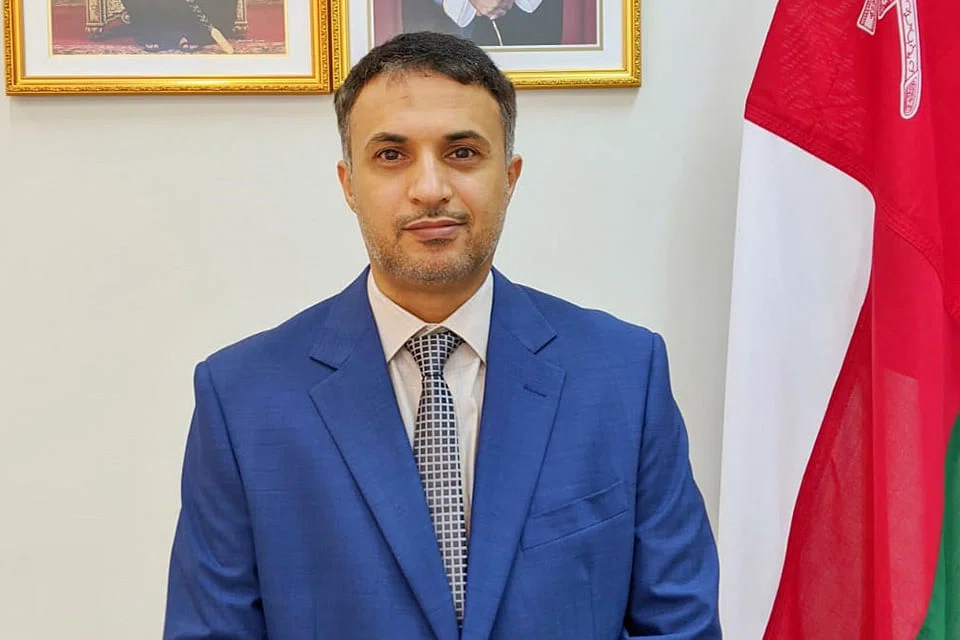
THE Sultanate of Oman in the Middle East is building its economy with a stimulus plan. Approved by the Council of Ministers, the economic stimulus plan is aimed at supporting efforts to mitigate the impact of the Covid-19 pandemic on the national economy. The initiative provides a set of stimulus measures and initiatives with the aim to support the economic recovery efforts, enhance the performance of economic activities and attract more foreign investments.
It also supports the country's medium term fiscal plan for 2020-2024, which seeks to improve its financial position and credit rating, and reduce public debt.
The economic stimulus plan is focused on five key areas: tax and fees; business environment and investment climate; small and medium-sized enterprises (SMEs); the labour market and employment; and the banking sector.
Under tax and fees incentives, all companies registering their main activity in the economic diversification sectors during the period from Jan 1, 2021, to the end of 2022, have been exempted from income tax for five years.
Hotels have been exempted from income tax for 2020 and 2021, and payment of due income tax by installments has been allowed. The additional tax for 2021 arising from paying the tax by installments has also been removed.
More importantly, under the stimulus plan, the country will continue to suspend tax on dividends for five years, starting from 2020. The carry forward losses of companies and enterprises for 2020 can be deducted from the taxable income of 2021 and subsequent years until the loss is settled - without being restricted to the period of five years stipulated in Article 71 of the income tax law.
Also, there is exemption of tourism tax and municipality tax - collected from tourist facilities, until the end of 2021. The economic stimulus plan also delays the collection of tourism tax and municipality tax from tourist facilities until the end of December 2021.
At the same time, environmental license fees have been cut by 50 per cent for the licenses renewed in 2021, for the entire licenses period. Penalties have been waived on the expired environmental licenses provided that such licenses are renewed within three months. Meanwhile, the rents on lands located within Special Economic Zone at Duqm (SEZAD) and industrial areas of Public Establishment for Industrial Estates (Madayn) have been cut by 25 per cent, with effect from January 2021 until the end of 2022. Also introduced is the application of fixed tariffs - depending on electrical loads - for consumers with higher electricity usage.
For stimulating the business environment and the investment climate, the permission to start business and investment activities after obtaining provisional license now allows the investor to carry on business activity without waiting for the final license.
The investor will have to undertake responsibility to adhere to the relevant rules and regulations, and the concerned authorities shall inspect and verify the adherence of the investor at a later time. The Ministry of Commerce, Industry & Investment Promotion shall set the regulations for such purpose within a month.
The companies registered in accordance with the Foreign Capital Investment Law shall be treated as those owned by the citizens in terms of commercial registration fee in the event that such companies invest in economic diversification sectors and the enabler sectors. Foreign investment companies will automatically be granted, upon establishment and after issuing the commercial registration, the permits for recruiting expat workforce as per the applicable rules and regulations.
At the same time, foreign investors will be granted residency as per the rules and regulation to be announced by the concerned authorities.
"The Oman government rolled out measures to reduce rents and taxes as well as provide financing to vulnerable individuals and businesses. The Central Bank of Oman delivered Omani Rial 8 billion (S$28.3 billion) of liquidity and enabled banks to provide financing to individuals and businesses," says Anwar Muqaibal, Counsel General of the Sultanate of Oman to Singapore in an interview with The Business Times on the occasion of his country's National Day on Thursday (Nov 18).
Tax reliefs were also introduced, including deferral of tax return filings dates and tax payments by up to three months. Flexible payment procedure and relief for vulnerable firms have also been provided for.
Commercial businesses have been given exemption from municipality taxes, and taxes were reduced from 15 per cent to 12 per cent for SMEs for 2020 and 2021.
Rents in the SEZAD and the other free trade zones (FTZs) have been reduced till the end of 2022, he adds.
"Omani Rial 20 million was allocated in the budget to train Omani job seekers. Oman enabled itself to sustain the implementation of its national development programme - Oman Vision 2040 despite the pandemic, bringing Omanis together with a commitment to social solidarity and justice," says Muqaibal.
"The Covid-19 pandemic had a worldwide effect on every country, including Oman, and it is still ongoing currently as countries try to recover from its impact. It struck at a time when Oman was engaged in a major effort to improve its fiscal position. As Oman's Foreign Minister Sayyid Badr Al Busaidi explained, the crisis took place in a situation of economic difficulties."
Muqaibal says that businesses were affected greatly, especially SMEs. Many had to close down after they struggled to stay afloat during the uncertain time. Reduction in consumer spending due to movement control and disruption of travel and tourism greatly contributed to the negative impact of Covid-19 on the business sectors in the country.
Moving forward, businesses are looking to recover from the negative impact of Covid. They are also looking into exploring different ways to engage consumers such as via online sales and even attracting international consumers. Digital acceleration is going to be used to promote economy growth in Oman, he adds.
The most promising sectors in the months ahead in Oman's economy includes agriculture and fisheries, manufacturing, logistics and transport, health and pharmaceutical, energy and mining, and domestic tourism.
"Singapore businesses should look into agriculture and fisheries, logistics and transport, health and manufacturing for future investment in Oman," says Muqaibal.
Foreign investors enjoy incentives such as exemption from income tax for 5 years, and simplified procedure for licenses and permits supporting the FTZs competitive business environment. Oman also has attractive land rents, and equipment and raw materials duty waiver for the first 10 years of a firm's operation in its FTZ to attract foreign investors. No minimum share capital is required for doing business in the FTZ.
Importers also enjoy tax exemption as no duties are imposed on goods imported and exported from the FTZs and companies within the zones are allowed to trade within Oman without a local agent, he adds.
"Singapore and Oman relations date back centuries ago and we enjoy strong bilateral ties. Major Singapore companies such as CrimsonLogic and SembCorp have set up companies for years in Oman reflecting the strong ties and their presence in Oman displays the similar economic prosperity and social stability both countries aspire to have," says Muqaibal.
However, due to the impact of Covid-19, trade between the two countries has relatively dropped from 2019 to 2020. Goods exported and imported include valves, jewelleries, manufacturing equipment, machinery parts and food items.
As global tourism is opening up, the Sultanate of Oman looks forward to receiving tourists from all over the world, including Singapore. Oman is a hidden jewel in the Middle East and is not as commercialised as the other Middle Eastern countries which attract tourists from city state countries such as Singapore.
"Oman targets to develop new hotels, vacation homes and integrated tourism complexes to suit tourists from various countries. As Singapore is an urban jungle, nature tourism is a potential attraction for tourists from Singapore as our mountains, valleys, deserts and coasts offer picturesque views of nature, an opposite view of what you will find in Singapore," says Muqaibal.
At the same time, Oman is also promoting domestic tourism by encouraging its people to travel to the different regions of the country to enjoy staycations, he adds.
Decoding Asia newsletter: your guide to navigating Asia in a new global order. Sign up here to get Decoding Asia newsletter. Delivered to your inbox. Free.
Share with us your feedback on BT's products and services