Opec cuts global oil demand growth forecasts for third consecutive month
But its demand estimates remain at the top end of the range expected by Saudi Arabian oil company Aramco, even after reductions
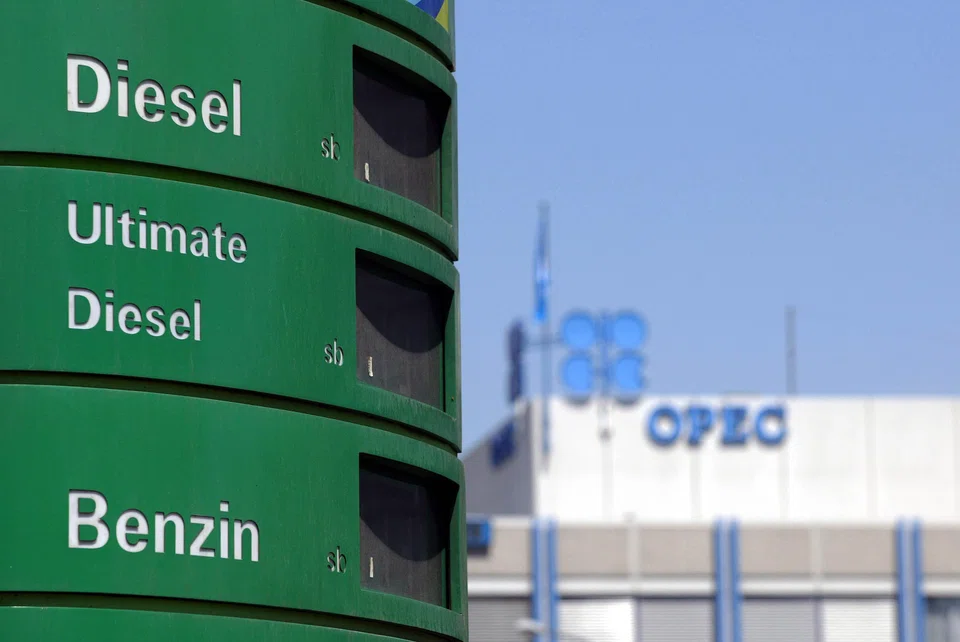
THE Organization of the Petroleum Exporting Countries (Opec) has trimmed its forecasts for oil demand growth this year and the next for a third consecutive month, in a belated recognition of a slowdown in global fuel use.
Global oil consumption will increase by 1.9 million barrels a day – roughly 2 per cent – in 2024, or 106,000 barrels a day less than previously forecast, Opec said.
The revision was “largely due to actual data received combined with slightly lower expectations” for some regions, it added.
With the three successive downgrades, Opec has started to retreat from the strongly bullish projections it has held throughout this year.
Even after the reductions, its demand estimates have remained an outlier – above Wall Street banks and trading houses, and at the top end of the range expected by Saudi Arabia’s oil company, Aramco.
The actions of Opec members themselves have suggested a lack of confidence in the outlook of its Vienna-based secretariat, delaying their plans to restore halted crude production even as the cartel’s forecasts point to a major supply deficit.
Led by Saudi Arabia, Opec and its allies are due to begin gradually restoring 2.2 million barrels a day in monthly tranches from December. The process began two months later than originally planned.
Market-watchers such as JPMorgan Chase and Citigroup have remained sceptical that the organisation will continue its restoration, amid slowing growth in top consumer China and swelling supplies from the Americas.
Crude prices have been boosted by conflict in the Middle East. At US$77 a barrel, however, the price has remained too low for some Opec nations.

The coalition’s efforts to shore up prices have been undermined by countries – notably Iraq, Kazakhstan and Russia – that have failed to deliver their cutbacks.
The report also showed Iraq belatedly making progress in implementing its share of output cuts due since the start of the year, while still pumping above its agreed quota.
Baghdad curtailed production by 155,000 barrels a day in September to about 4.1 million per day.
While it has been getting closer to its target of 4 million, it has not made progress in the extra cuts it promised to compensate for overproduction. An Iraqi official said that output is below the quota.
Kazakhstan increased production by 75,000 barrels a day to about 1.5 million, flouting its pledge to perform better.
Russia reduced by 28,000 barrels a day. However, it has remained above its ceiling at about 9 million barrels a day.
Opec+ is expected to make a decision on its scheduled December output hike in the coming weeks. The alliance is due to meet on Dec 1 to consider output policy for 2025. BLOOMBERG
Decoding Asia newsletter: your guide to navigating Asia in a new global order. Sign up here to get Decoding Asia newsletter. Delivered to your inbox. Free.
Share with us your feedback on BT's products and services