Pakistan finance chief wants nation to live within its means
 Add BT as a preferred source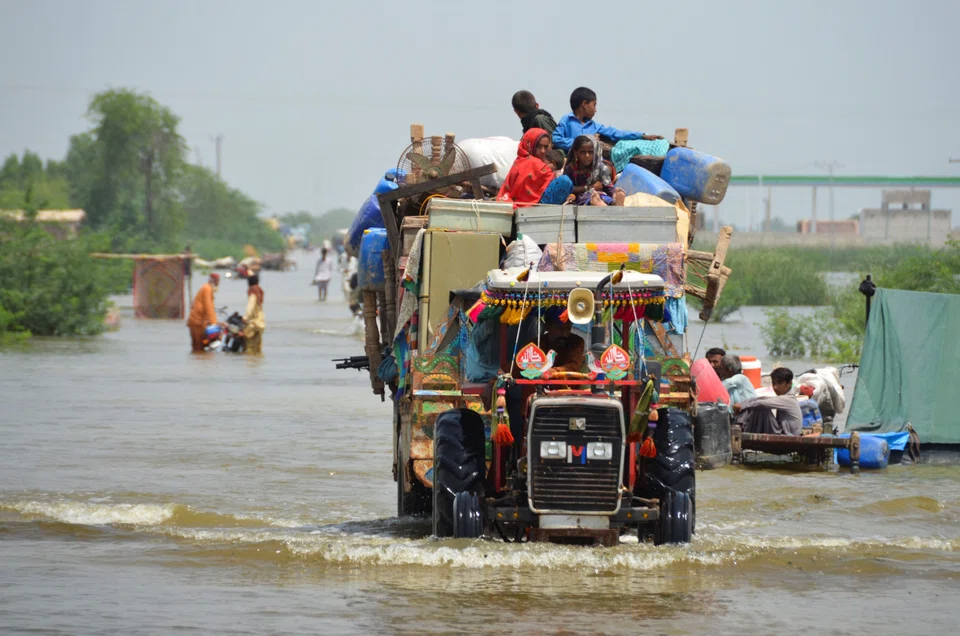
PAKISTAN’S finance minister wants to break a boom-and-bust cycle that has played out for decades, and help the nation to finally learn to live within its means.
Import payments should equal dollar inflows, which means curbs on luxury items may remain in place for longer than currently anticipated, Miftah Ismail said in an interview at his home in Karachi.
“I want to see a Pakistan that lives within its means. That’s it,” said the 57-year-old. “Nothing can happen in one year, but we can start.”
The outlook has been further complicated in the aftermath of historic floods, which could have an economic impact of at least US$10 billion, adding to a list of problems for the minister that includes political turmoil and raging inflation. He is also seeking to stem a slide in the rupee, which had tumbled almost 20 per cent this year. The currency fell 0.4 per cent to 219.75 a dollar in the afternoon on Monday (Sep 5).
Less than a week ago, the International Monetary Fund (IMF) gave Pakistan a US$1.16 billion lifeline to avoid imminent default. Pakistan also secured pledges for a total of US$9 billion in investments and loans from Qatar, Saudi Arabia, and the UAE. Ismail said he expects a US$1 billion investment in listed state-owned companies to materialise in about a month.
Since taking up his post in April, the Wharton graduate and former IMF economist has made efforts to narrow Pakistan’s yawning trade gap and current account deficit a priority.
Ismail expects economic growth of more than 3.5 per cent for the fiscal year that started in July, down from an initial target of 5 per cent. He predicts that inflation, running at the highest in 47 years and the second highest in Asia, is close to its peak and will average 15 per cent for the year.
Vegetable prices, a key component, have already started to come down after shooting higher following the floods, he said.
Ismail aims to spur Pakistan’s growth by avoiding unchecked imports of everything from home appliances to cosmetics and the resultant chronic shortage of dollars. The revival of the IMF bailout was the 13th for the South Asian nation since the late 80s.

Pakistan’s imports need to be equal to the dollar inflow from exports and from remittances provided by citizens living abroad, said Ismail. State bank figures show remittances in the second quarter running at record levels.
For now, Pakistan has restricted certain imports including those for automobiles and automotive parts, in a development that has led to Toyota Motor Corp and Suzuki Motor Corp halting production temporarily in their local units. Ismail planned the measures to last for an initial 3 months, but they may now be extended in the aftermath of the floods.
Pakistan’s export revenue is dominated by textiles, and much of its cotton crop was washed away. The government will allow the textile industry to import as much cotton as it needs to keep the looms running. Islamabad is now also importing tomatoes and onions from Afghanistan, Iran and Turkey after shortages shot prices higher.
“If I have limited dollars, I will absolutely make sure that I use them to buy wheat, I use them to buy edible things for our people,” said Ismail. “Maybe we can delay buying Audis and Mercedes.” BLOOMBERG
Decoding Asia newsletter: your guide to navigating Asia in a new global order. Sign up here to get Decoding Asia newsletter. Delivered to your inbox. Free.
Share with us your feedback on BT's products and services