

Pakistan wins initial nod for US$3 billion IMF bailout deal
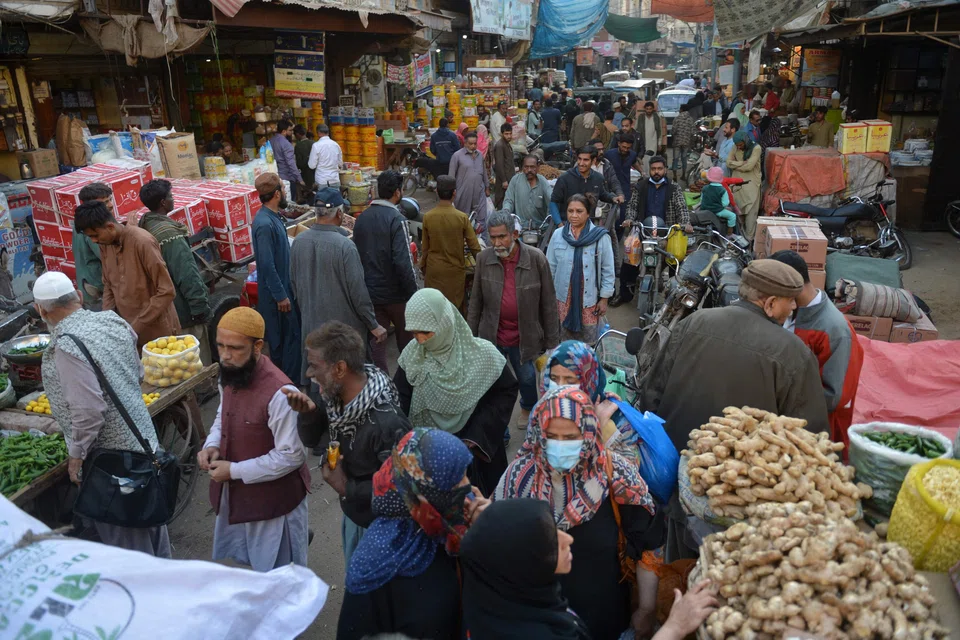
PAKISTAN clinched an initial approval from the International Monetary Fund for a US$3 billion loan programme, lowering the risk of a sovereign default. The nation’s dollar bonds rallied.
The staff-level agreement is subject to approval by the IMF Executive Board, with its consideration expected by mid-July, the Washington-based lender said in a June 29 statement on its website. The nine-month arrangement is separate from the IMF-supported programme that expires June 30 and will help the country’s transition to a newly elected administration later this year.
Pakistan dollar bonds due 2024 surged on Friday (Jun 30), with the notes climbing 9 US cents to 71.6 US cents on the dollar. Local markets are shut for a holiday and will reopen on Tuesday.
Pakistan is one of the biggest customers of the IMF, with almost two dozen bailouts since the 1950s. Authorities stepped up efforts to meet IMF demands in recent days, including raising taxes, cutting spending, and increasing its key interest rate to a record. The IMF loans are crucial in helping the South Asian nation manage US$23 billion of external debt payments for the fiscal year starting July, more than six times its foreign-exchange reserves.
“IMF support lifts the immediate risk of default and provides much needed liquidity to support an aggressive reform agenda,” said Brendan McKenna, strategist at Wells Fargo & Co. in New York. “I would expect Pakistan debt to rally in the short term and potentially have long-term value if the government demonstrates commitment to the IMF’s programme targets.”
“This arrangement will help strengthen Pakistan’s foreign exchange reserves, enable Pakistan to achieve economic stability, and put the country on the path of sustainable economic growth,” Prime Minister Shehbaz Sharif said in a tweet.
There is room for caution. Pakistan has had a tumultuous relationship with the IMF. The government also secured staff approval for a US$1.1 billion loan in August, only to have it halted due to Islamabad’s failure to meet some conditions.
“It will be important that the budget is executed as planned, and the authorities resist pressures for unbudgeted spending or tax exemptions in the period ahead,” said mission chief Nathan Porter.
Steadfast policy implementation, including greater fiscal discipline, a market-determined exchange rate and further progress on reforms, particularly in the energy sector is key to overcome Pakistan’s current challenges, the IMF said.
Pakistan is the last of three South Asian countries to clinch IMF funding due to delays in delivering reforms and getting creditors to agree amid a political crisis.
Pakistan increased taxes and energy prices, and allowed its currency to weaken to meet the IMF’s key demands. The rupee has lost more than 20 per cent this year after officials devalued the currency in January, among the worst performers in the world.
Pakistan’s dollar stockpile slid almost 60 per cent in the past 12 months to US$3.5 billion as of mid-June, restricting the nation’s ability to fund imports including raw materials, and forcing many factories to suspend operations. BLOOMBERG
Decoding Asia newsletter: your guide to navigating Asia in a new global order. Sign up here to get Decoding Asia newsletter. Delivered to your inbox. Free.
Share with us your feedback on BT's products and services
TRENDING NOW

Easy to rent out, hard to sell: Are buyers losing interest in Singapore’s one-bedroom condos?

GovTech retrenches another 38 staff in second round of layoffs

Stocks to watch: Seatrium, CapitaLand Investment, Keppel DC Reit, Suntec Reit, CLCT, TSH Resources

World’s largest offshore wind platform by Seatrium consortium on track to be completed by 2028

