

Philippines must include casinos in dirty money law to "close loopholes": World Bank
 Add BT as a preferred source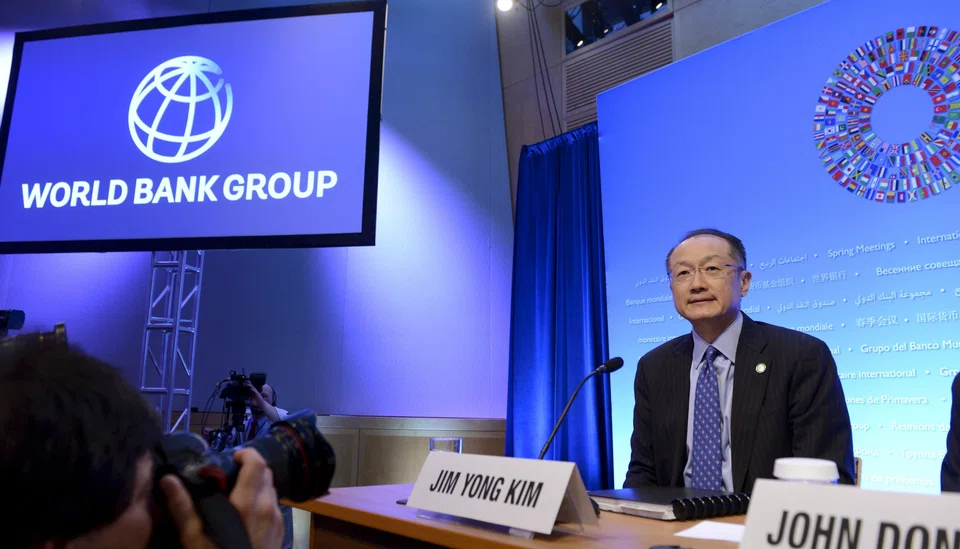
DeeperDive is a beta AI feature. Refer to full articles for the facts.
[MANILA] The Philippines must make sure casinos are covered by anti-money laundering legislation, the World Bank said on Monday, joining calls for the government to better regulate its gambling industry after stolen millions from Bangladesh found their way to Manila.
A Philippine panel is trying to fathom how US$81 million hacked in February from the New York Federal Reserve account of Bangladesh's central bank wound up with two casinos and a junket operator in the Philippines in one of the biggest cyber heists in history.
The government has since recovered part of the stolen money. "Reforms should be made, for instance, in making sure that casinos are included (in the anti-money laundering law)," World Bank lead economist Rogier van den Brink told reporters in Manila. "...Loopholes must be closed."
The enactment of the anti-money laundering law in 2001 was a good start, van den Brink said, but the Philippines must "keep reforming it so that you are sure these untoward effects will not materialise".
In February 2013, the Philippines was up against a deadline to amend its Anti-Money Laundering Act and get itself off the"grey list" of a global watchdog, and lawmakers were arguing over whether to include casinos under the legislation. They decided not to.
World Bank senior country economist Karl Kendrick Chua also reiterated the bank's recommendation to ease the Philippines'bank secrecy laws to help combat money laundering and identify tax evaders.
Navigate Asia in
a new global order
Get the insights delivered to your inbox.
REUTERS
Share with us your feedback on BT's products and services
TRENDING NOW
Autobahn Rent A Car directors declared bankrupt over S$50 million each owed to DBS

Amazon’s MGM Studios gains creative control over ‘James Bond’ franchise

UOB’s Wee Ee Cheong says S$4.9 billion Citi deal ‘paying off’ as Asean push accelerates
In taxing wealth, how far can Singapore push property owners?

