PIDG, August Energy look to fill gap for ‘patient capital’ in South-east Asian clean energy
Their US$30 million joint venture will focus on Thailand, Vietnam and the Philippines

[SINGAPORE] The Private Infrastructure Development Group (PIDG) hopes to address the gap between strong demand for clean power in South-east Asia and the limited availability of service providers, in its new joint venture with Singapore-based August Energy Investment.
PIDG is an infrastructure development and finance organisation funded by six governments: the UK, the Netherlands, Switzerland, Australia, Sweden and Canada.
The organisation and August Energy are investing an initial US$30 million in the JV to develop clean energy projects in the Philippines, Vietnam and Thailand.
The JV’s solutions will include on-site renewable power generation, cooling systems, energy efficiency upgrades, and long-term operation and maintenance.
They expect to add about 135 megawatts of new installed capacity over the next three years, as well as mobilise up to US$100 million in capital from the public and private sector.
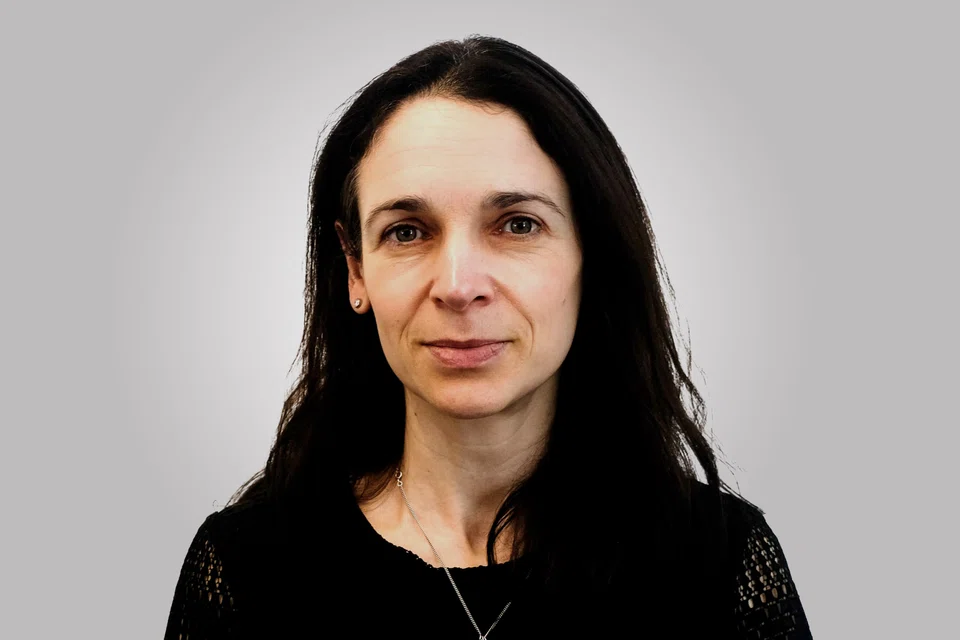
The three South-east Asian markets were chosen by August Energy and “fully supported by PIDG”, said Claire Jarratt, head of investment management at InfraCo, PIDG’s project development solution.
These countries have “strong electricity demand growth, increasing decarbonisation pressure, and clear gaps in long-term, patient capital for clean energy infrastructure”, Jarratt told The Business Times, adding that solar power will be a key focus.
“Solar stands out because it is cost-competitive, quick to deploy, and well-suited to distributed energy models in South-east Asia. Cooling and energy efficiency are also critical, especially in tropical climates, as they directly reduce peak demand and emissions,” she noted.
“While wind and other technologies may play a role selectively, the near-term focus is on solutions that can be deployed rapidly and generate predictable, long-term cash flows.”

Fees will be charged on a subscription basis. Under this “energy-as-a-service” model, customers will not have to invest upfront capital for clean energy infrastructure or manage the technical complexity themselves.
In short supply
Jarratt noted that Vietnam has one of the fastest-growing power markets in Asia, driven by manufacturing growth, but clean energy solutions remain in short supply – particularly for commercial and industrial customers seeking predictable energy costs.
In Thailand, “the opportunity lies in distributed solar, hybrid energy solutions, and decarbonisation of commercial facilities”, she added, noting that customers are increasingly focused on environmental, social and governance commitments.
Meanwhile, the Philippines faces high electricity prices and grid constraints, while relying on imported fossil fuels. “There is strong demand from commercial and industrial customers for on-site renewable energy, cooling solutions, and resiliency, but limited access to long-tenor financing and scalable energy-as-a-service providers,” said Jarratt.
The JV will originate and structure projects, arrange financing, and retain long-term ownership. It will also partner local developers, contractors, and technology providers.
“This hybrid approach allows the JV to scale quickly while leveraging local expertise and proven technologies,” said Jarratt.
That said, there are significant challenges, such as regulatory complexity, grid integration constraints, and execution risk across multiple jurisdictions, she said.
PIDG and August Energy hope to counter this by working with local developers and advisers who understand market-specific regulations and permitting processes. Projects will be structured “conservatively with robust risk allocation and bankable long-term contracts”, she added.
“Overall, the JV’s platform approach, long-term capital base, and local partnerships are designed to manage these risks while delivering scalable impact,” said Jarratt.
Decoding Asia newsletter: your guide to navigating Asia in a new global order. Sign up here to get Decoding Asia newsletter. Delivered to your inbox. Free.
Copyright SPH Media. All rights reserved.