
Plan to shield people from climate disasters unveiled at COP27
 Add BT as a preferred source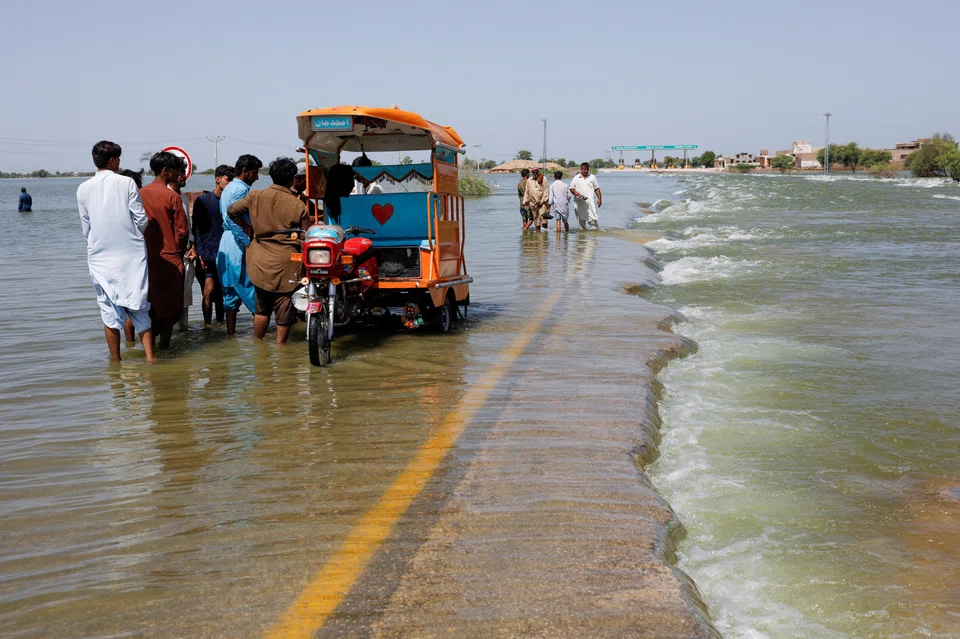
MONTHS after torrential rain and fast-melting glaciers submerged a third of Pakistan, parts of the country’s southern Sindh and Balochistan provinces still resemble an inland sea.
The disaster has left thousands of families camped out in tents on elevated roadsides, first battling scorching summer heat with little shade – and now needing protection to deal with the winter cold, she said.
But just a fifth of an US$800-million UN aid appeal for the country has been covered so far.
With 25,000 schools and millions of homes, plus health facilities and farm fields, needing repairs – adding up to damage estimated at US$30 billion – “recovery is going to be very challenging”, said Farah Naureen, Pakistan country director for aid agency Mercy Corps.
At the COP27 UN climate summit in Egypt, a range of new efforts to limit such “loss and damage” – and get disaster-hit countries back on their feet more quickly – are being proposed.
On Monday (Nov 14), Germany and other G7 countries, alongside Ghana and the V20 group of vulnerable countries, unveiled plans to launch a “Global Shield” against climate risks. It brings together and expands initiatives – from subsidised insurance coverage to stronger social protection schemes and pre-approved disaster financing – aimed at ensuring international help arrives swiftly to support disaster-hit poorer countries’ own contingency plans.
Navigate Asia in
a new global order
Get the insights delivered to your inbox.
It builds in part on the InsuResilience Global Partnership, an insurance programme launched in 2017 that now operates in 108 countries, with flagship projects such as the Caribbean Catastrophe Risk Insurance Facility and African Risk Capacity pool.
The idea is to get money moving as countries negotiate on setting up a more comprehensive “loss-and-damage” funding facility, a major focus at COP27.
“We thought it was so urgent to get something up and running now, while we work globally” through the UN system, said Jennifer Morgan, state secretary and special envoy for international climate action in Germany’s foreign ministry.
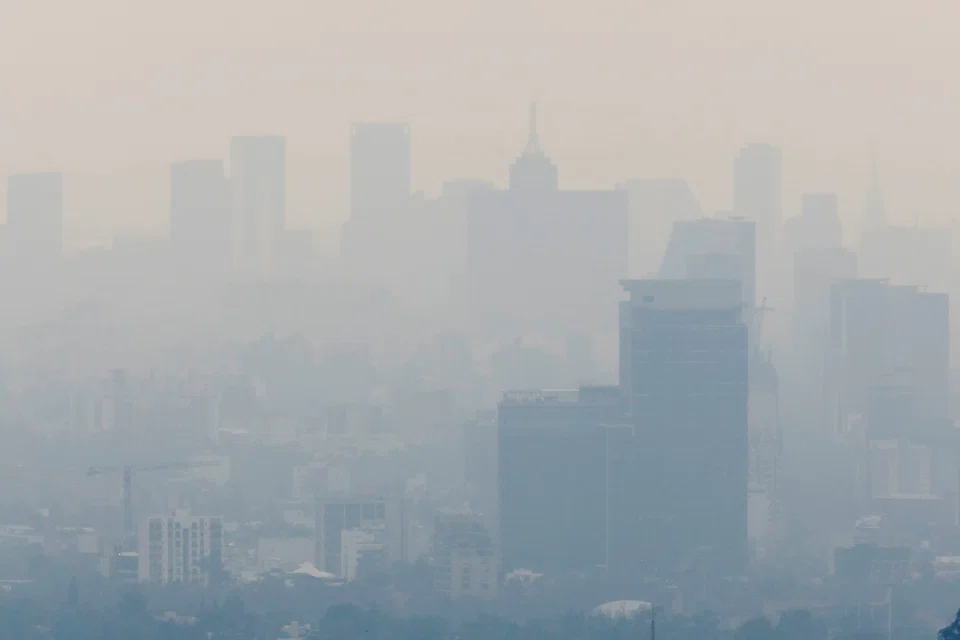
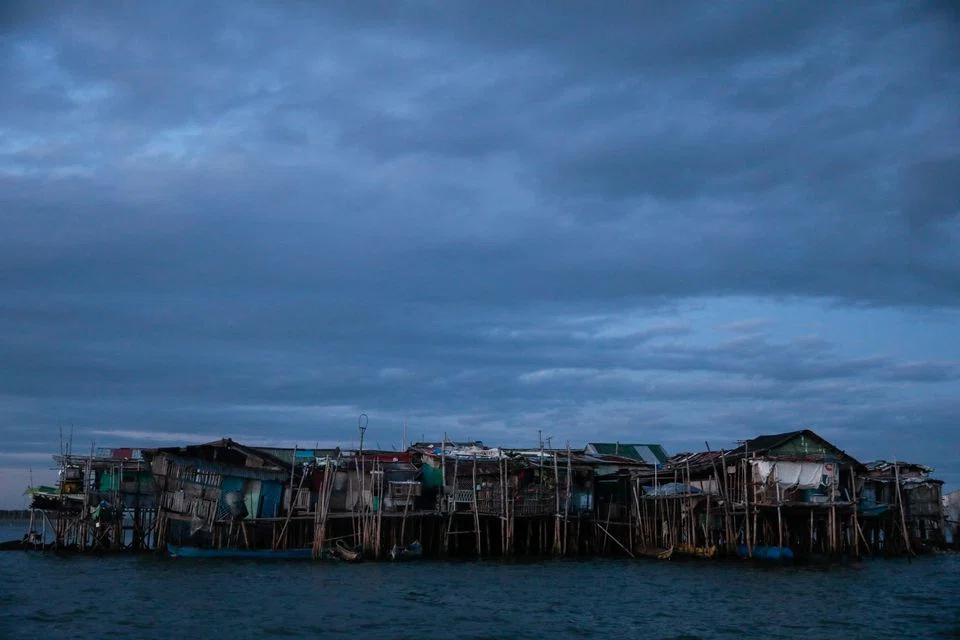
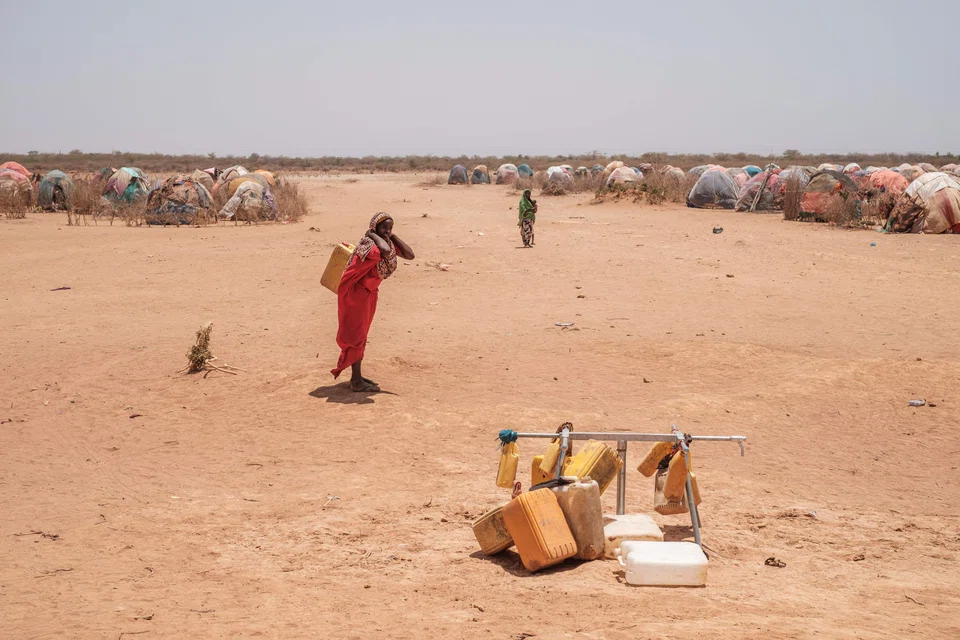
The “Global Shield” would complement a proposed “loss and damage” finance facility – not replace it, she said in an interview.
The shield aims to fill current gaps in protection to ensure money arrives within 24 to 48 hours after a disaster, and will be up and running from January 2023, said Morgan, a longtime climate policy expert and former head of Greenpeace.
But climate activists at COP27 said they believed some wealthier G7 countries are positioning the Global Shield as a substitute for a new loss-and-damage fund. Some wealthy-country diplomats have suggested at COP27 that a “mosaic” of protection and disaster response finance could be an alternative to a loss-and-damage facility, which is opposed by the United States and some other major polluters.
“It’s a power game. They want to control the money,” said Harjeet Singh, a loss-and-damage specialist with Climate Action Network International, which represents more than 1,900 non-governmental groups.
Svenja Schulze, Germany’s federal minister for economic cooperation and development, representing the G7 nations, said the Global Shield was not “the one and only solution for loss and damage”, and would not deal with things like non-economic losses of culture or slow-onset problems like sea level rise.
But she and others emphasised the need to “build on existing structures and bring them together so we can act faster” on worsening disasters.
Sara Ahmed, the V20‘s finance adviser, would not comment directly on whether a separate loss and damage fund should be established, noting only that “we cannot wait another two years” for help to be delivered.
The COP27 climate negotiations are tasked with finding a “concrete” way to deal with rising climate losses for the world’s most vulnerable countries by 2024 at the latest.
The Global Shield has so far raised US$200 million in new funding, largely from Germany, with backers planning to work with vulnerable countries to create tailored packages of help.
But Teresa Anderson, global lead on climate justice for ActionAid International, warned that insurance, in particular, cannot keep up with swiftly rising climate-related losses.
“An initiative that involves Northern countries subsidising Northern-owned insurance corporations should not be mistaken for loss-and-damage finance that supports communities on the frontlines of the climate crisis,” she said.
Sherry Rehman, Pakistan’s climate change minister, said faster help for countries like hers is crucial in whatever form.
“We are not asking for reparations. We are not even asking for compensation,” she said on the sidelines of the UN talks. But crises “need to be responded to with speed, agility and scale”, she added.
UN Secretary-General António Guterres called at COP27 for the whole world to be covered by early warning systems within five years. Today, only a third of small island developing states and under half of least-developed countries have access to systems designed to give alerts about impending storms, floods, tsunamis and other threats, the United Nations says.
Mami Mizutori, head of the UN disaster risk reduction agency, said putting effective protection systems in place globally is “ambitious”, but “we need to do it”.
“Every day we fail to do it, more lives are lost,” she said, noting that countries with good early warning systems have eight times lower mortality from disasters. Warnings delivered at least 24 hours before a disaster strikes can also cut economic losses by 30 per cent, she said at COP27.
Such stepped-up protection measures are particularly important as international humanitarian funding runs short in the face of mounting global crises.
Naureen of Mercy Corps said early warning systems had let Pakistanis know before the floods that monsoon rains would be heavier than usual, but “nothing could have prepared Pakistan for a disaster of this scale”.
That situation makes the push to win a funding facility to help communities recover from now-inevitable loss and damage crucial, alongside prevention efforts like early warning and the Global Shield, she said.
“When there is no money for loss and damage, somebody is bearing that cost. The loss doesn’t go away, the need doesn’t go away. The people affected end up bearing the cost,” she said.
“If we can’t support them in a timely way, we’re pushing them into further poverty and misery.” REUTERS
Decoding Asia newsletter: your guide to navigating Asia in a new global order. Sign up here to get Decoding Asia newsletter. Delivered to your inbox. Free.
Share with us your feedback on BT's products and services

