

Prosperity in Cuba will require significant changes in how it does business
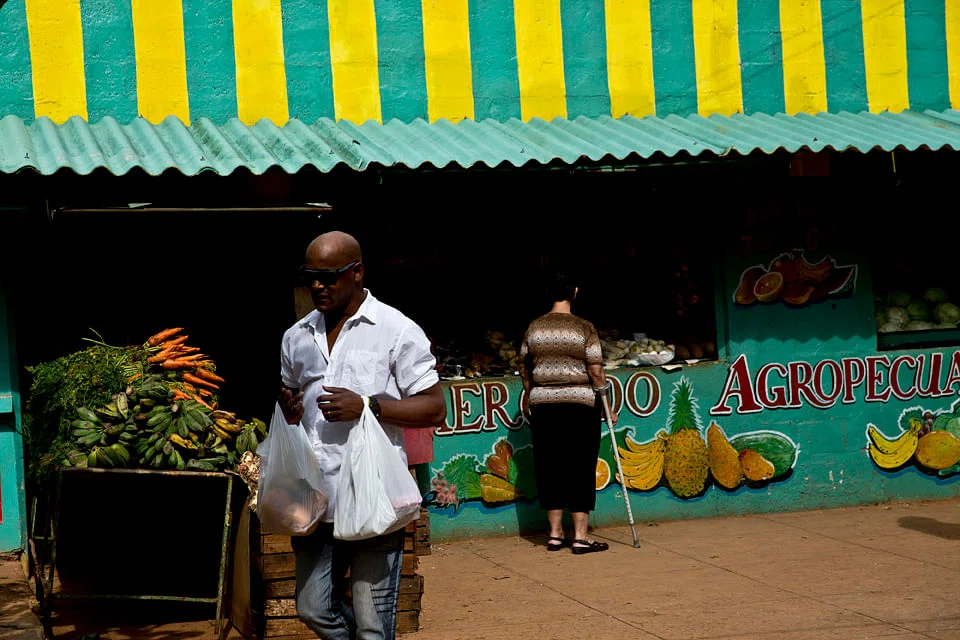
Havana
WHEN Cuba was hit with rolling blackouts a decade ago, Fidel Castro decided to save energy by ordering everyone on the island to switch from incandescent to fluorescent lighting. Millions, perhaps billions, of bulbs were ordered from China, and teams of students were dispatched to enter every home and business and make the switch.
It was, a former high-level government official said, "a typical Fidel thing". The grand gesture as a way of addressing economic crises, from the mass mobilisation to harvest sugar in 1970 to the attempt to replace every light bulb in the country 35 years later, has disappeared under Cuba's current leader, Fidel Castro's brother Raul.
"What most people want now is prosperity that can be sustained," said the former official, who did not want to be identified so that he could speak candidly. "Fidel wouldn't accept anybody telling him he was wrong. Raul is a hard-line party guy. But he wants the opinions of experts." And economists here have been telling their government that prosperity will require significant changes in the way that Cuba does business.
A month after US President Barack Obama eased travel and trade restrictions against Cuba, it remains unclear whether Havana can or will take full advantage of new opportunities to buy US products.
New categories of permitted US exports, such as telecommunications equipment, are tied to expanding civil rights and freedoms for the Cuban people, and purchases will require political decisions by the government here. Critics of the new policy charge that Havana will not take advantage of the offer because it prefers to keep its population in the dark, with severely limited Internet and access to the outside world.
But more immediately, any purchases from the US will require cash that is in short supply. Under the terms of the US embargo, Cuba cannot buy US products on credit.
"We don't have enough money to buy what we need," Juan Triana Cordovi, a government economist at the University of Havana's Center for Cuban Economic Studies said in an interview. "The financial situation today in Cuba is strained."
While the US has long permitted export of agricultural goods to Cuba, last year's shipments were the smallest amount in more than a decade. The difference, in an economy that imports up to 75 per cent of its food, has been made up by Latin American and other countries that sell on credit. "Many US agricultural producers want to sell a lot to Cuba, but Cuba needs money to do it," Mr Triana said. "If these companies are willing to extend credit, fine. If not, it's impossible for Cuba to increase its purchases."
There is much about life here that most Cubans take for granted and are unlikely to want to give up. All receive free education and health care; housing is free or heavily subsidised for many. Each Cuban receives a ration book each month for food staples. Life expectancy and literacy are the highest in Latin America and among the highest in the world.
But government control of the economy extends far beyond such basics. Except for a relatively small number of allowed private enterprises and portions of the agricultural sector, all businesses and means of production belong to the government. Foreign investors, including those who have built many of the tourist hotels that draw more than two million visitors a year, must recruit their workers through the government and pay wages into government coffers in a US dollar-pegged special currency.
The government then pays all workers, from doctors to tourism workers to janitors, in the far less valuable local money, the national peso, at an exchange rate of 24 to one.
The dual-currency system, and the average monthly wage of about 475 pesos, leaves most with a converted monthly income of about US$20, even as it allows state enterprises to hide inefficiencies and corruption.
Many here receive overseas remittances, which totalled US$2.7 billion last year from the US, and new regulations that the Obama administration announced last month quadrupled the amount that can be sent to individuals. Those in the tourist and restaurant industries receive tips in hard currency.
But even for those with disposable income to purchase consumer goods, few things are available to buy. Most imports must be paid for in "convertible" pesos.
Tourism is the government's biggest hard currency earner, but it also takes in revenue from discretionary local purchases such as telephone calling minutes. The average Cuban spends US$10 a month on minutes. With two million phone lines among a population of 11 million, that is an income of US$240 million a year, only slightly less than Cuba spent on US agricultural imports in 2014, most of it frozen chicken, soya beans and corn.
Many outside economists, and many inside, said that Cuba could thrive as an international service economy and vastly increase its agricultural production by resolving inefficient use of resources and under-employment of an educated, highly qualified workforce.
While acknowledging that the economy is overregulated and underproductive, Mr Triana said that the failure rate for private sector businesses here is high, and that most Cubans are not interested in turning to capitalism. WP
TRENDING NOW

He built the Vingroup empire. Now South-east Asia’s richest man is handing some key roles to his sons

Seatrium allocates S$200 million for new share buyback programme
32 companies, 6 individuals bag accolades at Singapore Corporate Awards 2026
Stocks to watch: Mapletree Logistics Trust, Seatrium, Keppel DC Reit, Food Empire

