Rate hike in the cards as US Federal Reserve holds policy meeting
 Add BT as a preferred source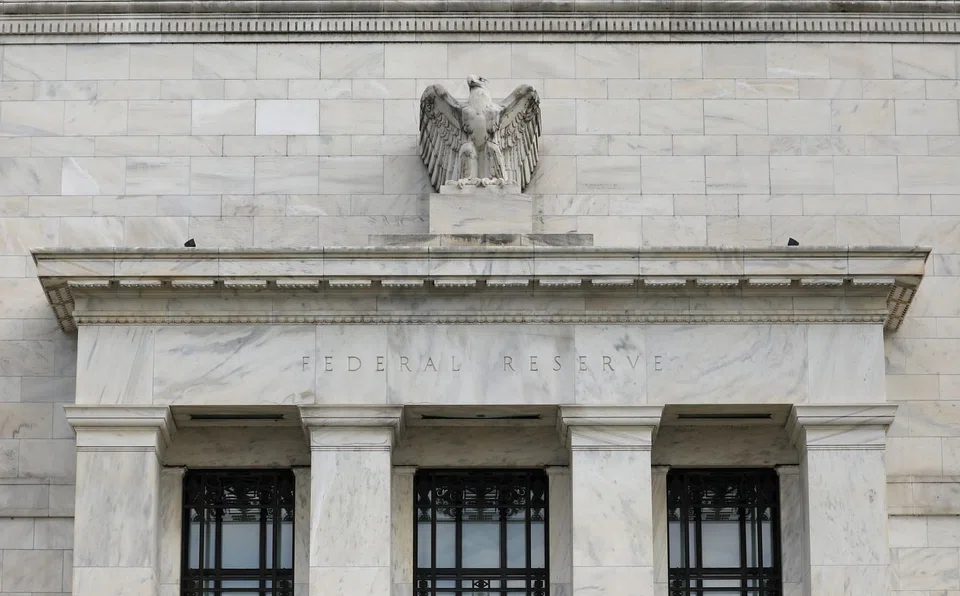
[WASHINGTON] The US Federal Reserve began a two-day policy meeting on Tuesday, with markets overwhelmingly expecting the third rate hike of the year as inflation mounts and the economy grows.
Central bankers are gathering under a long shadow cast by President Donald Trump, who has attacked the Fed's plans for continued rate hikes, which he says counteract the benefits of recent tax cuts and economic growth, and ratcheted up an unprecedented trade war with China.
At their meeting last month, policymakers said another rate hike was likely to be appropriate "soon," all but announcing their intentions to raise rates by another 25 basis points on Wednesday.
As of Tuesday morning, futures markets put the odds of a rate hike this month at 94.4 per cent, with a small but growing share of investors, or almost six per cent, betting the Fed will even raise rates by 50 basis points.
Fed officials also will update their quarterly forecasts for inflation and interest rates, among other closely watched metrics.
Since the Fed's last meeting, job creation and GDP numbers have shown robust health, wages have risen and inflation has firmed, while measures of industrial activity and the housing market are among the few that have softened.
A 'GOLDILOCKS' ECONOMY?
John Williams, a long-time central banker and the newly installed president of the New York Federal Reserve Bank, earlier this month said the United States was experiencing a "goldilocks economy," meaning the Fed only needed to raise rates gradually.
But analysts say the central bank is tangling with a complex set of near-term questions - a China trade battle affecting hundreds of billions of dollars in goods that is likely to be inflationary; tax cuts and fiscal stimulus late in the economic recovery; and dizzyingly high asset prices alongside more or less stagnant wage growth despite historically low unemployment.
"They are going to raise rates in September and probably going to give the signal that they going to raise rates in December," David Wessel of the Brookings Institution, told AFP.
"Where it gets interesting, and there is a lot of uncertainty, is what happens after that."
The Fed is working to get things "just right so you don't overheat but you don't cause a recession," he said.
Unfortunately, "It's very hard and there is not much history of having pulled that off."
REUTERS
Share with us your feedback on BT's products and services