

RBI deploys US$2.8b in reserves to strengthen rupee defence
Mumbai
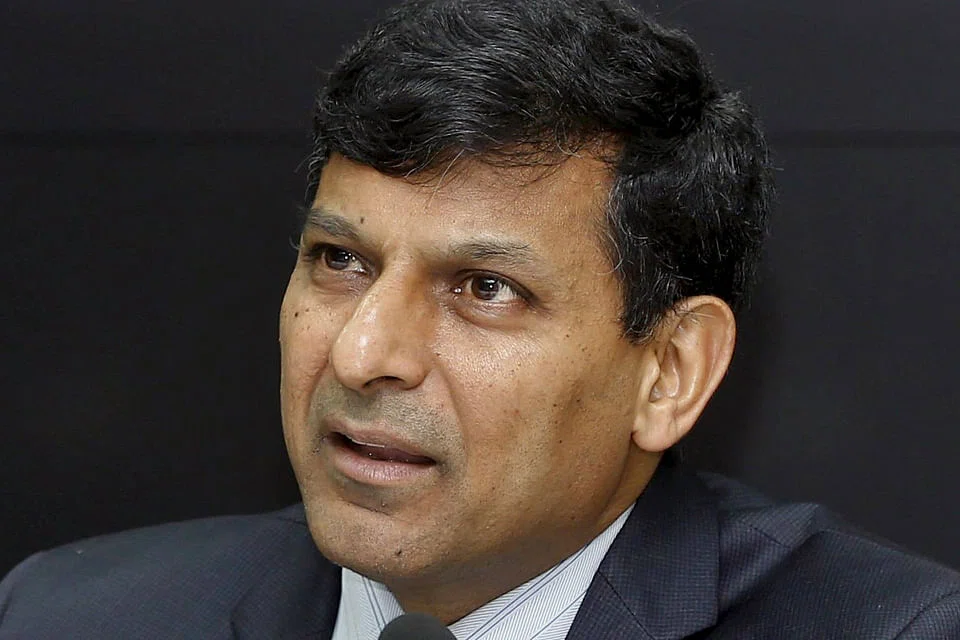
INDIAN central bank governor Raghuram Rajan oversaw the biggest jump in currency reserves among major developing nations and he is not afraid to use them to help the rupee.
In a sign of intervention, the holdings fell US$2.8 billion in the two weeks ended Jan 8 to US$326.4 billion. Mr Rajan may spend up to US$20 billion in 2016 to anchor the rupee around 65 per US dollar, according to Bank of America Merrill Lynch estimates. A survey of strategists by Bloomberg sees the currency holding steady this quarter, while options signal just a 36 per cent chance that it will breach the record low of 68.845 per US dollar by March 31.
"We continue to expect the Reserve Bank of India (RBI) to intervene to protect the rupee in case of an emerging market sell-off," said Indranil Sen Gupta, a Mumbai-based economist at Bank of America Merrill Lynch. "Governor Rajan has followed an extremely consistent foreign exchange policy."
The rupee slumped to the lowest since September 2013 last week as China's market turmoil sparked a global sell-off, reviving memories of the currency's tumble to the unprecedented low in August that year. Mr Rajan said when China weakened the yuan last August that he would use reserves to stem rupee swings, and wrote in a Jan 6 opinion piece for Project Syndicate that nations need to avoid "beggar-thy-neighbour policies" such as competitive devaluations.
Under Mr Rajan's leadership, currency reserves have swelled from a three-year low in September 2013 as he spurred US dollar inflows by offering discounted currency swaps to banks. The stockpile climbed 11 per cent last year, the most in the BRIC group of the four largest emerging markets that also includes Brazil, Russia and China. The two-week decline is the steepest for such a period since September 2015, central bank data compiled by Bloomberg show.
Rupee-denominated sovereign debt returned 8.1 per cent last year and 16.5 per cent in 2014, the best performance among major Asian markets for both the periods, Bloomberg Indexes show, as sliding Brent crude prices helped slow inflation and improve public finances for India, a net oil importer. Global holdings of local government and corporate notes increased by 505 billion rupees (S$10.7 billion) last year after surging 1.67 trillion rupees in 2014, with asset managers such as Pacific Investment Management Co and PineBridge saying that they plan to buy more of the securities.
Renewed concern that China is headed for a hard landing has triggered losses in developing-nation stocks and exchange rates this year, with the rupee sliding 2.1 per cent since Dec 31. Worries about the health of Asia's largest economy cast a pall over investors worldwide as policymakers in Beijing fight to prevent a vicious cycle of capital outflows and currency weakness that saw the yuan slide to a five-year low earlier this month.
The Indian currency's one-month implied volatility, a gauge of expected swings used to price options, has surged 111 basis points in January, set for its biggest monthly increase since August. The measure plunged 459 basis points in the last two years. Mr Rajan and his colleagues at the central bank have repeatedly said that the RBI intervenes in the foreign exchange market to curb swings and does not target any particular rupee level. BLOOMBERG
TRENDING NOW

He built the Vingroup empire. Now South-east Asia’s richest man is handing some key roles to his sons

Seatrium allocates S$200 million for new share buyback programme

32 companies, 6 individuals bag accolades at Singapore Corporate Awards 2026

Stocks to watch: Mapletree Logistics Trust, Seatrium, Keppel DC Reit, Food Empire

