

RBI may need to buy 1.5 trillion rupees of bonds to add cash: ICICI
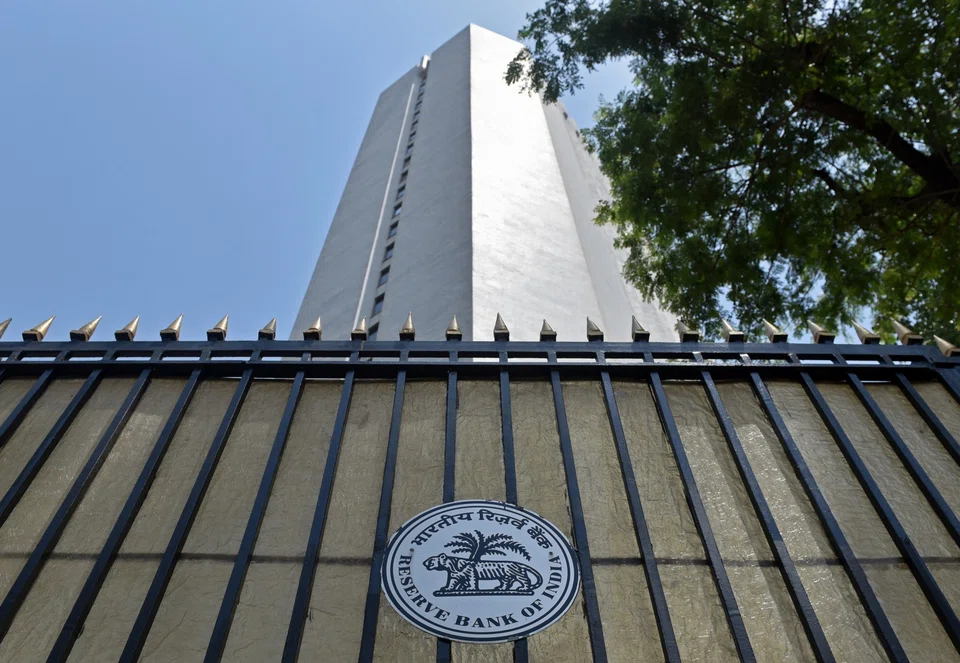
INDIA’S central bank may buy as much as 1.5 trillion rupees (S$24.5 billion) of government bonds to replenish banking liquidity that’s expected to tighten later in the year, according to a top banker.
The Reserve Bank of India (RBI) may cut the cash reserve ratio by half a point in the fiscal second half and start buying bonds in the December quarter to keep banking liquidity at current levels, B Prasanna, group head for global markets sales, trading and research at ICICI Bank, the nation’s second-largest private lender by market value, said in an interview on Monday (May 22).
Liquidity is likely to tighten in the banking system as higher spending amid state elections due later in the year may lead to money leaving the system. A number of key states like Rajasthan, Madhya Pradesh and Chhattisgarh have elections due, and that will coincide with the busy credit season in October when demand picks up in the economy.
“The currency in circulation will remain high due to a number of state elections and national elections next year,” Prasanna said. “The currency coming in will go out as people take out the cash.”
Excess liquidity in the banking system has narrowed to about 740 billion rupees from this year’s high of about 3 trillion rupees in April, according to data compiled by Bloomberg Economics. To ease the squeeze, the RBI injected about 468 billion rupees into the banking system on May 19 via a repo auction, the first such injection since March.
Still, some lenders like Kotak Mahindra Bank have said the RBI’s withdrawal of the highest value 2,000 rupee notes from circulation this month will replenish liquidity and lower the probability of bond purchases in the fiscal second half.
The move is expected to add about one trillion rupees of banking liquidity, according to estimates. It follows the RBI’s higher-than-expected dividend payout to the government, which may also boost cash in the system.
The current liquidity addition has brought down funding rates, creating scope for a rally in notes maturing in five years and less, Prasanna said. The 5-year yield may drop to 6.8 per cent levels, while the one-year treasury bill can fall to 6.75 per cent, he said. The 10-year bond doesn’t have much scope for rally now with interest rates expected to having peaked, he added.
Following are some other key views:
- The RBI should keep surplus liquidity at 1-1.5 trillion rupees if it wants to maintain a marginal surplus in the current era of liquidity management.
- The first-rate reduction may happen in February. It may be a shallow cut cycle, but a 75-basis-point drop is possible.
- Medium-term view on rupee remains positive on the back of strong remittances and service exports.
- Short-term concerns remain on the rupee as traders who had gone long on the Indian currency are closing out the trades as the RBI prevented appreciation. BLOOMBERG
Decoding Asia newsletter: your guide to navigating Asia in a new global order. Sign up here to get Decoding Asia newsletter. Delivered to your inbox. Free.
Share with us your feedback on BT's products and services
TRENDING NOW
Easy to rent out, hard to sell: Are buyers losing interest in Singapore’s one-bedroom condos?

GovTech retrenches another 38 staff in second round of layoffs

Stocks to watch: Seatrium, CapitaLand Investment, Keppel DC Reit, Suntec Reit, CLCT, TSH Resources
World’s largest offshore wind platform by Seatrium consortium on track to be completed by 2028

