Rebates to lift aviation; spending vouchers to boost tourism sector
S$187m to extend Enhanced Aviation Support Package; S$320m tourism credits for Singaporeans

Nisha Ramchandani
Singapore
THE government is extending support to the aviation and tourism sectors by allocating S$187 million to extend the Enhanced Aviation Support Package and doling out S$320 million in tourism credits to Singaporeans.
Singapore's aerospace, aviation, and tourism sectors - which are key parts of the economy and act as multipliers for other sectors - have been hit hardest by the pandemic. The government's strategy involves providing further support for these sectors, to retain core capabilities and position them for an eventual recovery, highlighted Deputy Prime Minister Heng Swee Keat in his speech on Monday.
For aviation, the government will set aside S$187 million to extend the support measures in the Enhanced Aviation Support Package until March next year. The measures under the existing package were due to cease on Oct 31.
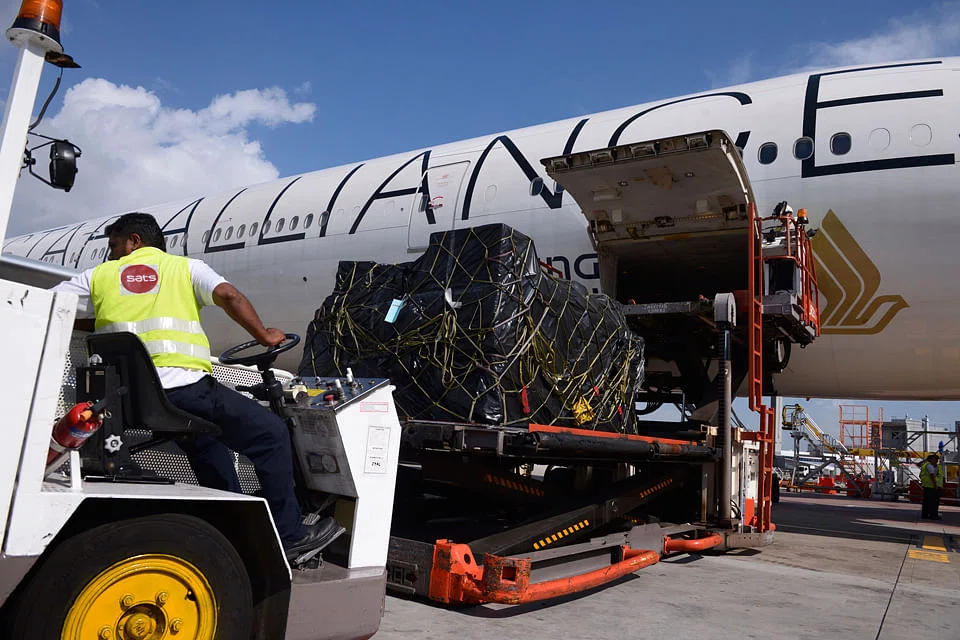
According to a joint press release from the Ministry of Transport and the Civil Aviation Authority of Singapore, this will go towards cost relief measures relating to landing and parking rebates, as well as rent relief for airlines, ground handlers, cargo agents and other airport partners at Changi Airport and Seletar Airport.
Airlines will receive a 10 per cent landing charge rebate for scheduled passenger flights landing here, as well as 50 per cent rebate on rental of airlines' lounges and offices at the two airports. In addition, they will be given a full rebate on aircraft parking charges at the two airports.
Similarly, players in the cargo sector will receive a 10 per cent landing charge rebate for scheduled freighter flights landing here, and a 20 per cent rebate on rents paid by cargo agent tenants at the Changi Airfreight Centre.
Meanwhile, groundhandlers will receive a 50 per cent rebate on rents for their lounges and offices within Changi Airport and Seletar Airport terminals.
Already, the government has been redeploying workers from the aviation sector, who are unable to work owing to the dearth in travel demand, to other areas. So far, about 500 air crew have been sent to work at hospitals as Care Ambassadors to support non-clinical work with their service skills.
The temporary redeployment programme will be scaled up to create around 4,000 new jobs - including permanent roles - in the healthcare sector alone, Mr Heng said. More jobs will also be created in other areas of need.
Meanwhile, with the tourism industry reeling from border closures and the lack of visitors, the government will set aside S$320 million for tourism credits for Singaporeans to encourage local tourism. This will be dubbed SingapoRediscovers Vouchers.
He added: "Local consumption will not fully make up for tourist spending, but I hope Singaporeans will take the opportunity to explore our local culture and heritage, nature, art, and architecture."
Commenting on the tourism credits, CBRE's head of research (Southeast Asia), Desmond Sim, said: "This will not only support the hospitality and tourism sectors; it will symbiotically benefit the retail and F&B sectors eventually."
Under the latest extension to the Jobs Support Scheme (JSS) - which was also announced on Monday - companies in the aerospace, aviation, and tourism sectors will now receive support at 50 per cent of wage levels (based on the first S$4,600 of gross monthly wages for local employees) for seven months until March 2021. This is, however, down from 75 per cent presently for these sectors. Prior to this, the JSS covered wages for employed workers up to August.
In his speech, Mr Heng pointed out that businesses in the arts and culture, and sports sectors will "take much longer to resume full activities"; as such, further support will be extended to preserve core capabilities. This is being done in consultation with the Ministry of Culture, Community and Youth.
At the same time, "a small number of businesses, such as those in the nightlife industry, may unfortunately not be able to open soon, due to safe management considerations", he added. "For these businesses, the government will help them transition to other activities or ease their exit." The Ministry of Trade and Industry will be providing more details on this.