

Renault, Airbus to develop battery tech for cars and airplanes
 Add BT as a preferred source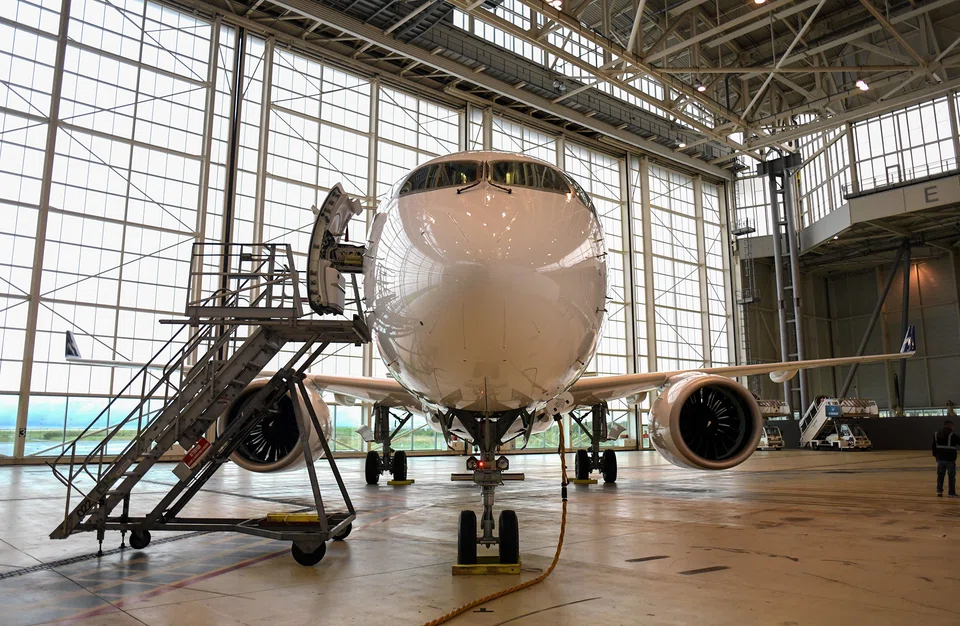
DeeperDive is a beta AI feature. Refer to full articles for the facts.
AUTOMAKER Renault and aerospace manufacturer Airbus have partnered to advance battery technology for next-generation cars and planes.
Engineering teams from both companies will research and develop solutions on energy storage, one of the roadblocks to longer-range electric vehicles, the firms said on Wednesday (Nov 30). The partnership will also help Airbus develop tech linked to hybrid-electric aircraft.
The pact reflects companies’ efforts to better navigate the costly and difficult electrification shift by teaming up with peers. Renault chief executive Luca de Meo this month presented a complex split of the automaker’s electric-vehicle and combustion-engine businesses.
Gilles Le Borgne, Renault’s executive vice-president for engineering, said: “For the first time, two European leaders from different industries are sharing engineering knowledge to shape the future of hybrid-electric aircraft.” He added that both the aviation and car industries are “extremely demanding” in terms of both safety and energy consumption.
The cooperation will focus on energy management optimisation and battery weight improvement. Renault and Airbus plan to move from current cell chemistries to solid-state designs, in order to double battery energy density by 2030.
The companies also pledged to explore the life cycle of future batteries, including recycling, to reduce their carbon footprints. BLOOMBERG
Decoding Asia newsletter: your guide to navigating Asia in a new global order. Sign up here to get Decoding Asia newsletter. Delivered to your inbox. Free.
Share with us your feedback on BT's products and services
TRENDING NOW

China pips the US if Asean is forced to choose, but analysts warn against reading it like a sports result

Beijing’s calculated silence on the Iran war

Shelving S$5 billion office redevelopment plan proved ‘wise’ as geopolitical risks mount: OCBC chairman
Vietnam formalises new state leadership, redefining ‘four pillars’ power balance

