

Renminbi climbs past 7 per US dollar onshore for first time since 2023
A stronger currency makes imports cheaper, and aids China authorities’ long-term goal of internationalising the currency
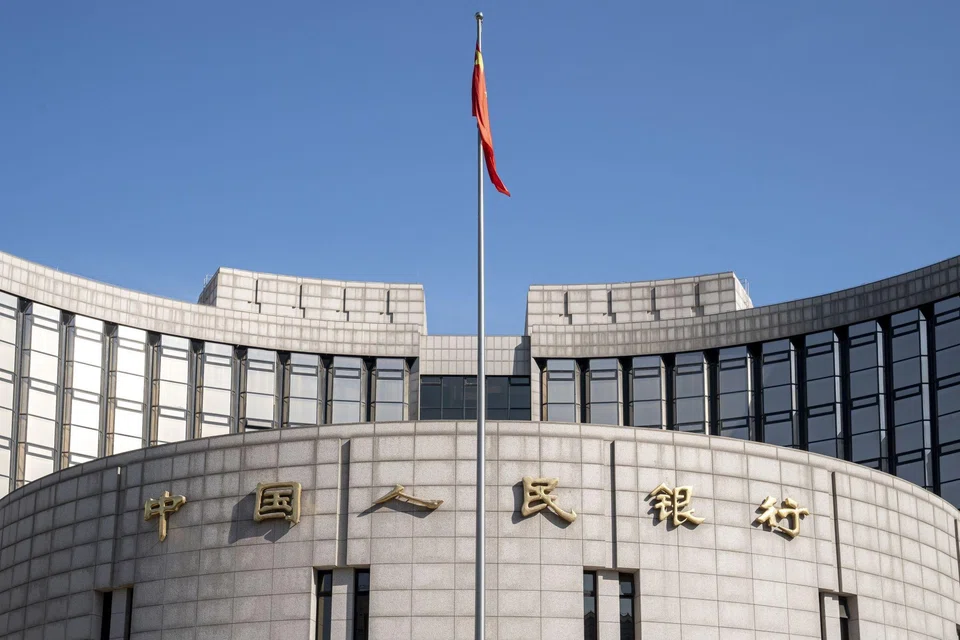
[HONG KONG] The renminbi strengthened beyond the key seven per US dollar level in the more tightly controlled onshore market for the first time since 2023, signalling China’s comfort with further currency appreciation.
The currency rose as much as 0.2 per cent to 6.9920 per US dollar in local trading on Tuesday (Dec 30), amid a mild decline in the greenback and year-end foreign-exchange sales by Chinese corporates and exporters.
The move came after the offshore yuan breached the closely watched seven level in late December.
Major Chinese banks have increased US dollar buying after the onshore yuan advanced beyond the seven per US dollar level, said traders who asked not to be identified as they are not allowed to speak publicly.
Selling in the greenback was heavy, partly due to corporate settlement needs, they added.
“There could be more appreciation ahead for the renminbi, supported by foreign capital inflow, expectation of growth recovery and tech optimism,” said Wee Khoon Chong, a market strategist at BNY.
“We have high confidence that the renminbi will rally into 2026, supported by flows and economic recovery,” he added.
The renminbi’s breakthrough in the local market, where it is confined by a 2 per cent trading band centred around its daily reference rate, is often considered more significant than the moves in largely unrestricted offshore trading.
Authorities also keep a firmer grip onshore, where state banks were more visible in December, helping with official efforts to slow the renminbi’s climb.


The renminbi is heading for its best annual performance in five years, as growing optimism about the nation’s assets and economy outweighs concerns over US trade tensions.
Beijing has steered the renminbi towards appreciation to appease trading partners, but sought to engineer a gradual pace of gains to avoid a surge of hot-money inflows.
A stronger renminbi makes imports cheaper and also aids the authorities’ long-term goal of internationalising the currency.
But in a sign that policymakers are caught in a delicate balancing act, the People’s Bank of China (PBOC) said in a report released in late December that it will maintain exchange rate flexibility, while guiding expectations and guarding against “overshooting risks”.
For one thing, the central bank has used a weaker-than-expected daily reference rate in recent weeks to slow the renminbi’s gains.
“The elements are in place to support the renminbi for extended gains as long as the pace is steady. Moreover, looking back over the moves of the past several years, there is nothing to suggest the 7.0 line holds any great importance for the PBOC,” said Bloomberg strategist Mark Cranfield.
While the renminbi has strengthened about 4 per cent against the US dollar this year, it has weakened against the currencies of many of China’s other trading partners.
An official gauge measuring the renminbi’s strength on a trade-weighted basis has dropped 3.8 per cent in 2025.
“If we see sharp movements below 7.0 then that’ll invite actions from the PBOC, but if it’s a gradual decline possibly not,” said Mingze Wu, a trader at StoneX in Singapore. “There are good reasons why PBOC will be happy with a slightly stronger renminbi as long as the movement is not drastic.” BLOOMBERG
Decoding Asia newsletter: your guide to navigating Asia in a new global order. Sign up here to get Decoding Asia newsletter. Delivered to your inbox. Free.
Share with us your feedback on BT's products and services
TRENDING NOW

Easy to rent out, hard to sell: Are buyers losing interest in Singapore’s one-bedroom condos?

GovTech retrenches another 38 staff in second round of layoffs

Stocks to watch: Seatrium, CapitaLand Investment, Keppel DC Reit, Suntec Reit, CLCT, TSH Resources

World’s largest offshore wind platform by Seatrium consortium on track to be completed by 2028

