

Retailers warn of storm ahead as UK sales growth stutters
 Add BT as a preferred source
DeeperDive is a beta AI feature. Refer to full articles for the facts.
RETAIL sales growth slowed last month as shoppers tightened their purse strings in the face of Britain’s escalating cost-of-living crisis.
Sales were just 1 per cent higher than in August 2021, the British Retail Consortium (BRC) and consultancy KPMG said in a report on Tuesday (Aug 6). Clothing sales were “sluggish” for the first time in recent months and parents curbed their back-to-school spending.
With inflation running into double-figures, the modest annual rise in sales “masked a much larger drop in volumes”, the report said.
White goods such as washing machines and cookers as well as homeware were hardest hit. Sales of air fryers and knitwear increased as thrifty consumers prepare for the impact of soaring energy bills.
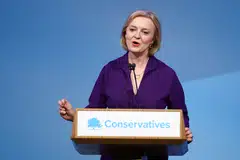
British consumers are up against the highest inflation in 4 decades already and this could lead to a recession lasting more than a year, threatening to push many into poverty. After a summer of political paralysis, the focus is on new prime minister Liz Truss to tackle the cost-of-living crisis, which she has pledged to do partly using tax cuts.
“Retailers are preparing for a particularly tough time ahead,” said Helen Dickinson, chief executive officer of the BRC, calling for Truss to freeze business rates, a form of property tax, next year.
Navigate Asia in
a new global order
Get the insights delivered to your inbox.
Prices in British shops reached the highest rate since at least 2005 in August, pushing consumers to visit discount supermarkets and choose own-brand products to save money. People are also increasingly turning to food banks and buy-now-pay-later loans.
Budget grocery chain Iceland Foods has received over 60,000 applications in 2 weeks for micro loans allowing shoppers to pay by instalments. That’s more than the total number of loans the credit provider behind the initiative expected to offer in 18 months.
Non-food retail sales fell 2 per cent in the 3 months to August. The drop in clothing sales is “significant” and could signal the start of consumers pulling back from any spending that isn’t essential, according to Don Williams, retail partner at KPMG.

“As consumers return from summer holidays to an 80 per cent increase in the energy price cap, double digit inflation and Christmas just 3 paychecks away, the brakes could be firmly applied on non-essential spending for most UK households,” said Williams. “The storm clouds are closing in as retailers brace themselves for a fall in demand.” BLOOMBERG
Decoding Asia newsletter: your guide to navigating Asia in a new global order. Sign up here to get Decoding Asia newsletter. Delivered to your inbox. Free.
Share with us your feedback on BT's products and services
TRENDING NOW

Vietnam formalises new state leadership, redefining ‘four pillars’ power balance

‘Largest Singapore commercial S-Reit proxy’: analysts say buy CICT shares after Paragon acquisition

From 1MDB to ‘corporate mafia’: Is Malaysia facing a new governance test?

Why where you park your joint venture matters: Lessons from a US$689 million shareholder dispute

