

Reviving air hub top and immediate priority for Singapore

Mindy Tan
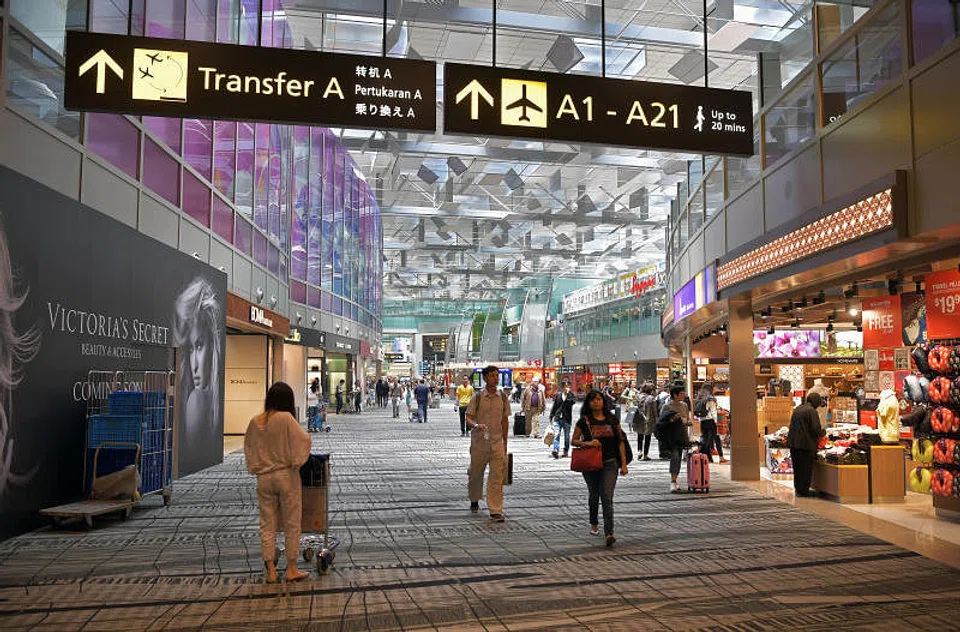
REVIVING the air hub is a top and immediate priority for Singapore, in tandem with other moves to strengthen the country's status as a global hub port, said Transport Minister Ong Ye Kung, in his ministry's addendum to the President's Address at Monday's opening of Parliament.
"Covid-19 has decimated air travel and set us back decades," he said, noting that Changi Airport has lost about 50 per cent of its air links and 95 per cent of scheduled passenger services.
In addition to helping aviation companies preserve and enhance their core capabilities and reskill workers, the government will also take the opportunity while air traffic is down to improve Singapore's aviation infrastructure, namely developing a three-runway system, he said.
"We are reviewing the layout, design and timeline of Changi Airport Terminal 5 to build a more competitive and resilient terminal for the future," he added.
Meanwhile, Tuas Port is expected to be completed in the 2040s as planned. It will be the world's largest fully automated container terminal, able to serve the world's largest container ships.
Mr Ong said plans are underway to step up digitalisation to streamline port clearances, enable just-in-time vessel operations, and standardise and enhance flows of vessel data across ports globally.
Building new land connections with Malaysia is also key. The two countries have, as at last month, agreed to resume the Johor Bahru-Singapore Rapid Transit System Link Project.
"We are also in discussions with Malaysia on the Kuala Lumpur-Singapore High Speed Rail (HSR) Project, which has been suspended at Malaysia's request until Dec 31, 2020. Singapore continues to believe that the HSR is a mutually beneficial project for both countries."
He also noted that both countries are progressively restarting travel through reciprocal green lane and periodic commuting arrangement.
Separately, the government will continue to work towards more inclusive public transport with better support for the less ambulant.
He also noted that the ministry has significantly improved rail and bus services over the last five years. Rail reliability has also increased and in the coming years, there are plans to open new stations and lines almost every year, starting with the remaining stages of the Thomson-East Coast Line, to completing Circle Line, and opening of Jurong Region Line and Cross-Island Line.
"Expanding the public transport system to better serve Singaporeans requires major infrastructure and recurrent expenditure. But this is essential public spending, which has to be carried out with financial prudence."
Mr Ong also noted that the lower traffic and new travel patterns brought about by Covid-19 have opened a window of opportunity to re-imagine our road infrastructure. For instance, certain underused road lanes can be converted to cycling and bus lanes and there may be scope to pedestrianise certain roads, he said.
He also noted that more telecommuting, meaningfully staggered work hours, and greater use of e-commerce has led to more sustainable travel patterns.
"We will explore ways to make some of these changes permanent."
Decoding Asia newsletter: your guide to navigating Asia in a new global order. Sign up here to get Decoding Asia newsletter. Delivered to your inbox. Free.
Copyright SPH Media. All rights reserved.
TRENDING NOW
US dollar falters after Iran’s offer to reopen Hormuz sends oil lower

He built the Vingroup empire. Now South-east Asia’s richest man is handing some key roles to his sons
Floods compound Philippine growth woes from public-works scandal
Tokyo reverses baby bust with AI matchmaking and generous subsidies

