Rising costs are pushing inactive Britons back into the workforce
The inactivity rate has fallen to 21%, close to pre-pandemic norms
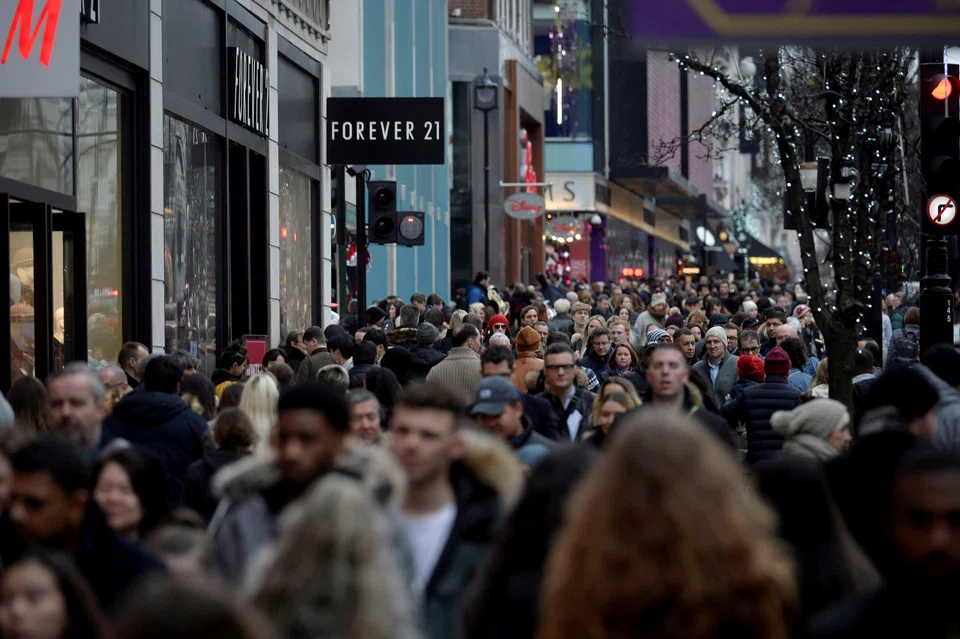
[LONDON] After UK unemployment rose again, government minister Stephen Kinnock pointed to a different crisis – economic inactivity – as the real problem at the heart of the labour market.
“People who can work should be working,” he said this week, echoing concerns in both Westminster and at the Bank of England (BOE).
Yet, this particular crisis may already be over, at least as reflected in Britain’s latest labour market survey.
While unemployment, a measure of people seeking work, edges up, worker inactivity – those neither in work nor looking for it – is easing back down.
The inactivity rate has fallen to 21 per cent, close to pre-pandemic norms and notably below the levels seen throughout the 2010s.
This is down from a peak of 22.2 per cent shortly after the pandemic, a trend that made the UK an international outlier.
The number of people out of the workforce due to a long-term sickness remains stubbornly high at 2.8 million.
But that is completely offset by other categories, including a sharp decline in early retirees and those caring for their families – a shift that may point to the financial strain being felt in households across the country.
“That’s all people who have to go out and work but would otherwise stay at home because money’s tight,” said Martin Beck, chief economist at public affairs firm WPI Strategy. “Maybe the factors behind it are indicative of some underlying problems that have affected the UK economy.”

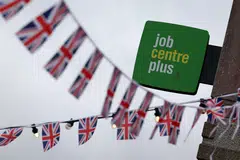
Stubbornly high inflation in recent years may have forced people to rethink whether they need to work, even though price growth is finally cooling again.
Worker participation trends are vital for BOE rate-setters, as a post-pandemic hit to labour supply added to pressure on inflation from a tight jobs market.
It has also been a hot topic in Westminster, prompting the government to attempt a clampdown on welfare costs and launch a probe into youth inactivity, led by former health secretary Alan Milburn.
The UK figures are from the Office for National Statistics’ (ONS) Labour Force Survey (LFS), which has been dogged by accuracy concerns after its publication was temporarily suspended in late 2023.
While these worries still linger, the ONS is more confident in the data after boosting the number of responses to the survey.
Its picture on inactivity chimes with other analysis, too. In November, the BOE found that the ONS’ Workforce Jobs Survey data also implied a participation rate close to that seen in the LFS.
“The economic inactivity ‘problem’ we face is one of stalled progress, not of overall deterioration,” wrote Nye Cominetti and Hannah Slaughter, economists at the Resolution Foundation, an independent British think tank.
They said the decline in inactivity for retirement or family reasons is merely a continuation of a long-running trend.
The recent improvement puts the UK comfortably within the pack of the Group of Seven countries rather than as a major outlier, the BOE said.
It added that strong migration may have also played its part, as the average age of arrivals into the UK is younger than the wider population.
BOE staff also cited people coming out of early retirement, and a possible boost in participation among older Britons from remote working, as contributing factors. BLOOMBERG
Decoding Asia newsletter: your guide to navigating Asia in a new global order. Sign up here to get Decoding Asia newsletter. Delivered to your inbox. Free.
Share with us your feedback on BT's products and services