Russia readies pilot of digital rouble as war squeezes economy
 Add BT as a preferred source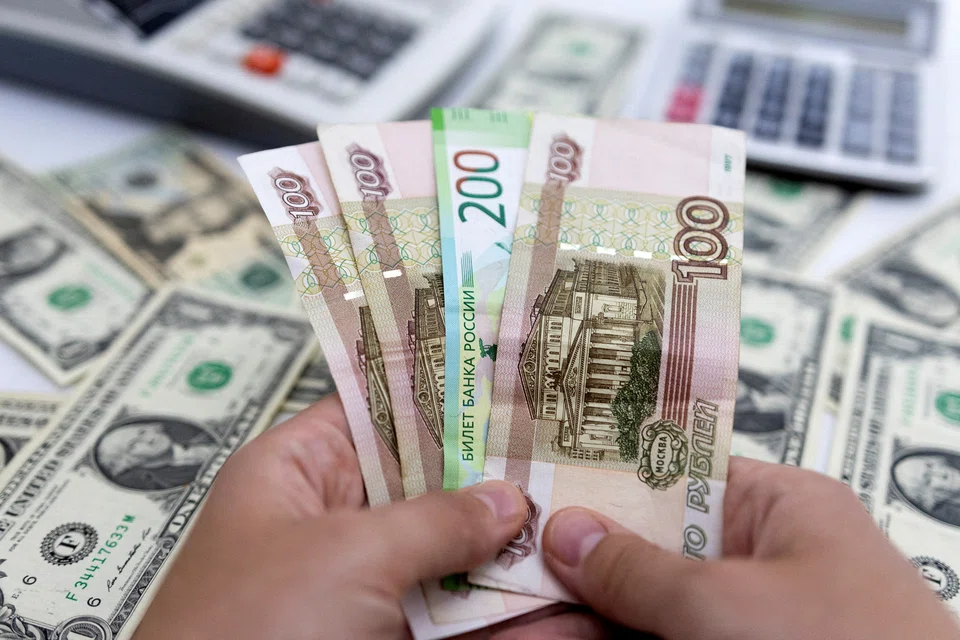
RUSSIA is pressing ahead with plans to introduce a digital rouble, joining a growing list of countries to experiment with the electronic currency, as it wrestles with international isolation over its war in Ukraine.
Legislation to approve the creation of a national digital currency will head to the Federation Council, Russia’s upper house of parliament, on Wednesday (Jul 19). Assuming it passes and is signed into law by President Vladimir Putin, the Bank of Russia may begin tests of the digital rouble as soon as next month.
More than half of the world’s central banks are considering or developing digital currencies, according to the International Monetary Fund. At least 20 are working on pilot programmes, including India, Japan and China, whose project reaches 260 million people and is being tested in areas including public transport and e-commerce, research published by the Atlantic Council showed.
While cryptocurrencies such as Bitcoin make use of decentralised payments systems that do not depend on governments, digital currencies issued by central banks are issued and regulated by their respective states. Advocates say they make it easier to provide banking services to underserved social groups, increase efficiency of payments and lower transaction costs, while sceptics warn of privacy concerns and security risks from cyberattacks.
The Bank of Russia plans to run a pilot project with 15 of the country’s lenders. It will allow individuals and companies to open a digital wallet on the central bank’s platform that will be accessible through any Russian lender. Transactions with the digital rouble will be free for individuals, while companies will have to pay a 0.3 per cent fee on transactions, according to guidance from the bank.
The central bank is proceeding with the project after sweeping sanctions imposed by the US and its allies cut off Russian banks from the global financial system in response to President Vladimir Putin’s February 2022 invasion of Ukraine. Foreign banks have also applied increasingly restrictive policies on payments from Russia, which is seeking to weaken the impact of sanctions by boosting trade in national currencies with states such as China and India that have been more neutral on the war.
The rouble has declined 18 per cent against the dollar so far this year, the worst performance among emerging market currencies, behind only Turkey’s lira and the Argentine peso. Declining energy revenues and a recovery in imports are combining to slash Russia’s current-account surplus, while spending linked to the war is draining the budget.
Some lawmakers view the digital rouble as a potential way for Russia to ease cross-border payments. “In the current environment, it is important to have independent payment instruments and financial information channels that can be used in our trade with foreign partners,” Nikolay Zhuravlev, deputy chairman of the Federation Council, said earlier this month. He was speaking during a debate on the digital rouble at the Bank of Russia’s financial congress in St Petersburg.
Those hopes may be premature, as the digital rouble would first have to be linked to other countries’ currency platforms for international transactions to occur. There is no sign of that so far, according to Alexandra Prokopenko, a former adviser at the Russian central bank who is now a non-resident scholar at the Berlin-based Carnegie Russia Eurasia Center.


“So far, the digital rouble resembles a points system in the loyalty programme of the ‘Fortress Russia’ corporation,” said Prokopenko, adding that this could make transactions more convenient inside the country. “It also possibly will make transactions more transparent in the territories annexed from Ukraine as now everything is done through cash.”
Decoding Asia newsletter: your guide to navigating Asia in a new global order. Sign up here to get Decoding Asia newsletter. Delivered to your inbox. Free.
Share with us your feedback on BT's products and services