

Russia sees recession if oil declines to US$60 a barrel
Singapore
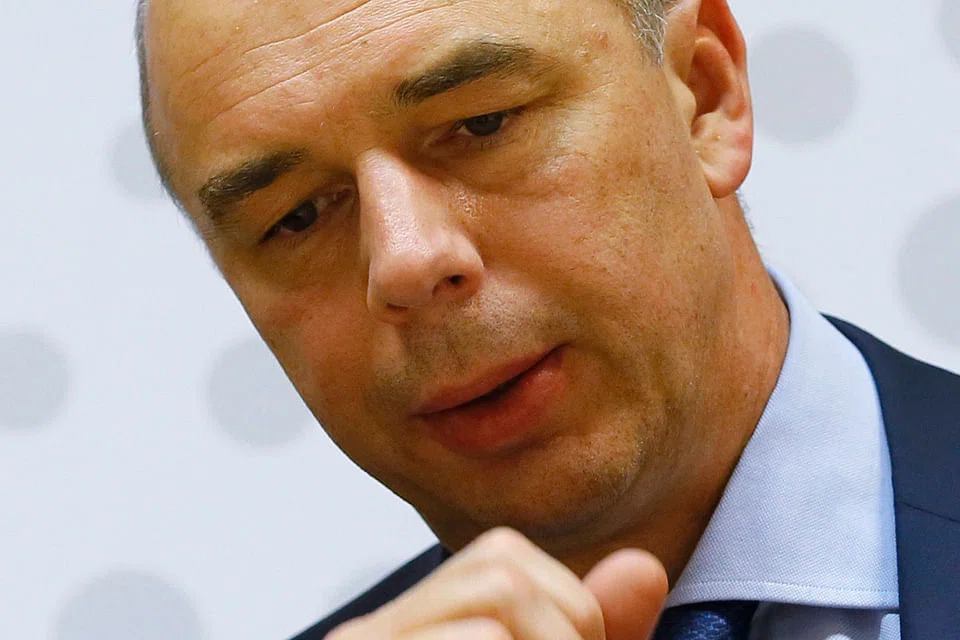
RUSSIA'S economy will sink into a recession next year if the price of oil slumps to US$60 a barrel and the United States and its allies tighten sanctions over the conflict in Ukraine, Finance Minister Anton Siluanov said.
The economy of the world's largest energy exporter won't grow faster than one per cent in 2015 even if oil prices hold steady and the severity of sanctions remains unchanged, Mr Siluanov said in an interview in Singapore on Monday. The price of Brent has slumped by almost a third this year to below US$80 a barrel.
"Recession is inevitable in 2015 if the situation worsens," Mr Siluanov said. "If the oil price declines to US$60 per barrel, the economy will have negative growth."
The comments add to signs of growing unease in Russia after President Vladimir Putin warned last week that the country is bracing for a potential "catastrophic" slump in oil prices. The decline in the cost of crude is exacting a toll on an economy already battered by the US and the European Union's restrictions imposed over the nation's role in the Ukrainian crisis.
Economic output is growing at the slowest pace since a 2009 contraction, having expanded 0.7 per cent in the third quarter from a year earlier. The central bank last week said that gross domestic product will probably stagnate in 2015. A recession would also force the government into a fiscal adjustment, Mr Siluanov said.
"We'll have to take a more strict approach to the budget and use all our crisis-fighting tools," Mr Siluanov said. "We'll have to adjust our budget strategy and review priorities. All social obligations will be met. Nobody plans to revise them, but second-tier priorities will be postponed."
Brent has fallen 28 per cent this year. As the market enters a period of weaker demand, the price may fall further in the first half of the next year, according to the International Energy Agency.
There's a 70 per cent chance of a recession in the next 12 months, according to the median estimate of 27 economists in a survey on Oct 30. That's the highest since Bloomberg started tracking the figure two years ago, up from 60 per cent last month.
Even so, Russia predicts the decline will be more moderate than in the wake of the collapse of Lehman Brothers Holding Inc, when the country's economic output plunged 7.8 per cent, Mr Siluanov said.
"The drop in oil prices and the economic contraction won't be as serious as we had in 2008-2009," Mr Siluanov said. "Growth will recover after the economy adapts to new conditions."
The Russian economy will remain stable even under the "unfavourable" conditions of oil at US$80 a barrel and sanctions staying in place until the end of 2017, central bank governor Elvira Nabiullina said on Tuesday in the Lower House of Parliament in Moscow.
The ruble exchange rate depends "directly" on energy prices, she added.
The Bank of Russia, which estimates GDP will expand 0.3 per cent this year, last week said that growth may be zero next year as the economy succumbs to sanctions, while the weakening ruble ignites inflation and lower oil prices erode export revenue. The regulator forecast that sanctions will last through 2017 and oil will average US$95 a barrel, compared with an estimate of US$102 this year.
Under current conditions of the ruble at about 47-48 per US dollar and crude near US$80 a barrel, oil and gas revenue that accounts for half of the budget will meet the targets in next year's draft, according to Mr Siluanov.
The budget deficit will be 0.6 per cent of GDP in 2015 after this year's surplus of 0.1 per cent to 0.3 per cent, according to the ministry's estimates. Federal revenue and spending may be balanced with an oil price of US$90 per barrel next year, according to Mr Siluanov.
"A decline to US$70 per barrel, or maybe to $60 per barrel, won't be a long-term trend," he added. "Most likely, the price will be within a range of US$80 per barrel to US$90 per barrel next year." BLOOMBERG
TRENDING NOW

Simba admits to unauthorised spectrum use; director Richard Tan to resign
‘If there’s a price to be paid, so be it’: George Yeo says Singapore must safeguard its reputation

Beyond the greenback, Vietnam’s big borrowers turn to Asian-currency bonds

Could the proposed COE changes mean higher premiums for all car buyers?

