

Russian central bank gives most hawkish signal this year as it holds rates
 Add BT as a preferred source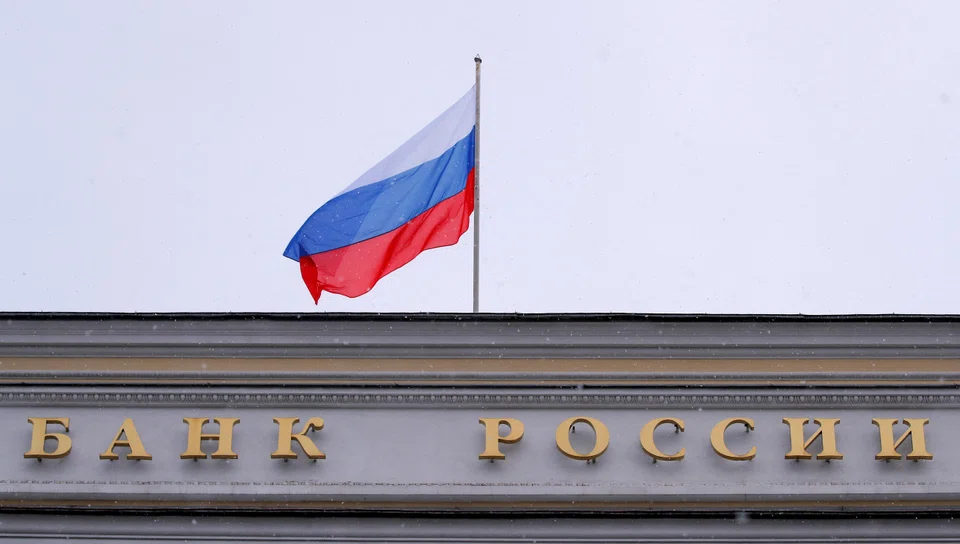
DeeperDive is a beta AI feature. Refer to full articles for the facts.
RUSSIA’S central bank issued its strongest signal yet that it may hike interest rates this year, saying that likelihood had grown as inflationary pressures intensify, but held its key rate at 7.5 per cent as expected on Friday (Jun 9).
Annual inflation, which spiked to over 20-year highs in 2022, has slowed to below the bank’s 4 per cent target in recent months as last year’s base effect took hold. But it is expected to pick up, with consumer prices rising 0.21 per cent in the week to Jun 5.
“The option of hiking the rate was considered, but by consensus we decided to hold the rate, but tighten the signal,” governor Elvira Nabiullina said at a media conference.
“The likelihood of a rate hike has increased,” she said, pointing to inflation risks having risen since the bank’s last meeting in April. Hiking rates by 25-75 basis points was considered on Friday, she added.
The Bank of Russia, which forecasts year-end inflation at 4.5-6.5 per cent in 2023, said it was holding open the prospect of increasing the key rate at its next meetings to stabilise inflation close to its 4 per cent target in 2024 and further on.
In a series of rate cuts last year, the bank gradually reversed an emergency hike that took the rate to 20 per cent in late February 2022. That jump followed Russia’s launch of what it calls its “special military operation” in Ukraine, and the imposition of wide-ranging Western sanctions in response.
Navigate Asia in
a new global order
Get the insights delivered to your inbox.
The central bank, which is next scheduled to set rates on Jul 21, has now held rates steady at 7.5 per cent for six meetings in a row since the last cut in September.
Inflation pressure
The bank has maintained a hawkish stance this year, unable to find room to ease monetary policy. On Friday it said the overall balance of inflation risks has “tilted even more to the upside”.
“Accelerating fiscal spending, deteriorating terms of foreign trade and the situation in the labour market remain pro-inflationary risk drivers,” the bank said.
The central bank had turned its hawkish rhetoric up a notch, said Liam Peach, Senior Emerging Markets Economist at Capital Economics, describing it as “the strongest signal yet that policy tightening is in the pipeline”.
Russia’s budget spending is well above plan this year, pushing the deficit to US$42 billion for January-May, data showed this week. Further budget deficit expansion could require tighter monetary policy, the bank said. REUTERS
Decoding Asia newsletter: your guide to navigating Asia in a new global order. Sign up here to get Decoding Asia newsletter. Delivered to your inbox. Free.
Share with us your feedback on BT's products and services
TRENDING NOW

Air India asks Tata, Singapore Airlines for funds after US$2.4 billion loss

Beijing’s calculated silence on the Iran war

China pips the US if Asean is forced to choose, but analysts warn against reading it like a sports result

Richard Eu on how core values, customers keep Singapore’s TCM chain Eu Yan Sang relevant

