

S-Reits themselves in need of some lifelines

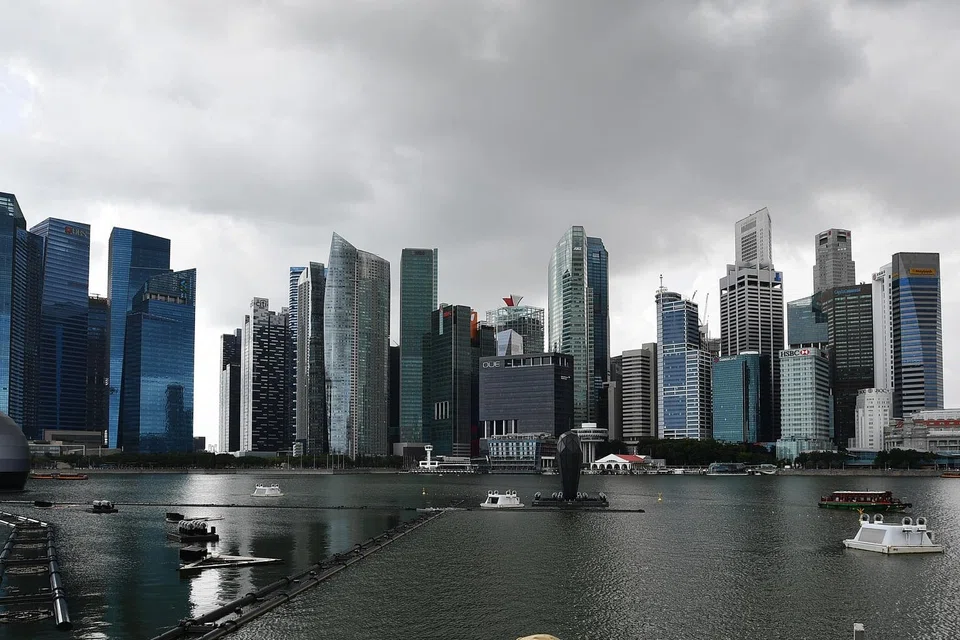
BEFORE the Covid-19 pandemic dealt a devastating blow to the Singapore economy, real estate investment trusts (Reits) were already suffering from a bad-boy image as far as their tenants were concerned.
Reits are characterised by their high income, strong yields and low risk, which some tenants see as coming at their expense in these trying times. But these very characteristics are also precisely what make Singapore-listed Reits (S-Reits) attractive investments - not just to local but also international investors, in particular global pension funds, making Singapore Exchange one of the world's best places to list a Reit.
Today, the exchange boasts of 45 Reits and business trusts, yielding an average of 8-9 per cent per annum for investors. This average is, of course, based on trailing payouts against the S-Reits' current beaten-down market price.
In reality, the high yield is probably a mirage, if SPH Reit's recent announcement of a drastic cut in second-quarter distribution is any guide.
The onslaught of the Covid-19 pandemic has dealt a devastating blow to the global economy, which has practically shut down. With streets and malls bereft of human traffic, most argue for more aid to tenants because if tenants do not survive this, their landlords will suffer too.
While Reit landlords benefit from leases in place, lower leverage and considerable near-term liquidity, they are not immune from this economic toll. Real estate landlords are caught in the middle - between their tenants who cannot or would not pay their rent, and their own obligations such as debt servicing, taxes, utilities, labour, maintenance and other running costs.
To support workers, the government has provided the Jobs Support Scheme, which subsidises up to 75 per cent of wages. Landlords have been given a property tax rebate - 100 per cent for hotels, service apartments and retail, and 30 per cent for industrial, business or science parks, warehouse and offices. With property tax at 10 per cent annually for commercial property, the 100 per cent rebate can mean a month's rent.
On April 7, a wide-ranging Bill that, among other measures, aims to assist those unable to fulfil contractual obligations was passed in Parliament. The law will give tenants temporary relief for six months if they are unable to perform certain contractual obligations on or after Feb 1, 2020 due to Covid-19, and have given a "Notification for Relief" to the landlord and its guarantors.
This could be extended to a year. The law prevents landlords from terminating leases; it also provides a moratorium on legal action against tenants who fail to fulfil their obligations. Landlords must pass on, in full, the remission in property tax to tenants unconditionally.
As landlords to the broader economy, Reits take their cue from how the economy performs. They are not structured to withstand a complete shutdown of the economy, and may also face a cash flow crunch themselves if the bulk of their tenants avail themselves of the moratorium.
Currently, S-Reits enjoy a tax transparency treatment by Inland Revenue Authority of Singapore (Iras). To enjoy this, they are required to distribute at least 90 per cent of their taxable specified income to the unit holders, leaving 10 per cent or less for future needs.
Given the heightened uncertainty and possible protracted downturn in the economy, Reits may need to put aside more for future needs. This buffer of 10 per cent or less may not be enough. It is envisioned that consumer spending will take a much longer time to normalise, given the massive job loss and closure of businesses.
Here lies the S-Reit's conundrum: a six-month deferral of rent would essentially deprive the Reit of its source of distributable income for the period. There is also the question of whether the toll taken on affected tenants will dent their ability to meet the deferred obligations.
The Reit Association of Singapore feels that circumstances could conspire to put a strain on S-Reits' ability to pay out 90 per cent of their annual distributable income in order to qualify for tax exemption. Is there room for some flexibility to prevent kicking the can down the road?
Any short-term haircut is more bearable if the period of uncertainty is known, but this is not the case with Covid-19. No one knows when a vaccine will become available, when the economy will bounce back and whether there would be a post-virus surge when it does.
Asset owners and tenants will have to work together to find a path forward, without jeopardising Singapore's hard-earned reputation as a global Reit hub.
So far, the overall impact on retailers has varied greatly. Some tenants have been hurt badly from the lack of customers following the mandatory closures; on the other hand, tenants dealing in groceries, pharmacy, and essential goods and services are benefiting from the hordes of consumers stocking up as they hunker down at home. Retail tenants with large e-commerce footprints have weathered the disruption better.
The floundering tenant may see a scrooge in his landlord, but the financial pain is not his alone.
While the impact of the rent deferral is yet to play out, it is clear that Reit unit holders will have to stomach the double whammy of falling prices in the stock market and the uncertainty in distributable income. In a worst-case scenario of Covid-19 not being contained quickly, the income issue could become thorny because distributions have historically accounted for a large proportion of the overall returns for investors.






