

San Francisco prices are sinking; property owners want a tax cut
 Add BT as a preferred source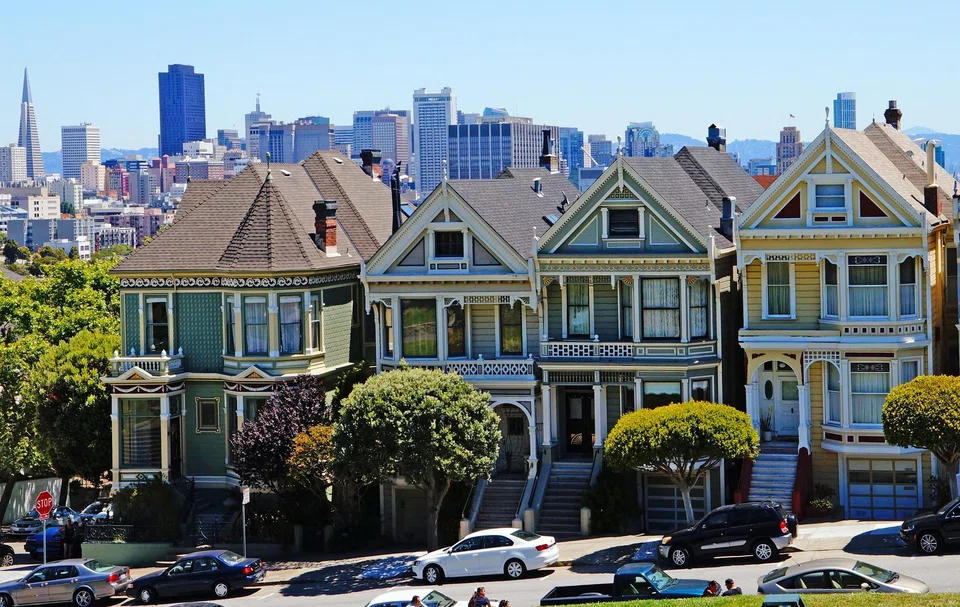
DeeperDive is a beta AI feature. Refer to full articles for the facts.
OWNERS of San Francisco’s office towers, shopping centres, hotels and homes are flooding the county with appeals to slash their property assessments – and tax payments – as real estate prices sink in the beleaguered city.
Some of the world’s biggest landlords, including Brookfield Corp and Blackstone Inc, have filed for assessment cuts. The volume of such appeals have doubled in the three years since the pandemic. Assessments for this fiscal year went out in early July, and new appeals are expected to surge before a Sep 15 deadline to request reductions.
“It’s like drinking from a fire hose,” said Mark Ong, founder of Independent Tax Representatives, whose firm filed appeals on about US$11 billion of San Francisco property for the last tax year. “I’ve done this 37 years, and I’ve never had a year like this one.”
The volume of appeals shows the broader impact of the real estate downturn in cities such as San Francisco, where office workers, shoppers and tourists have been particularly slow to return after the pandemic. Reduced assessments can lower tax revenue for city services from police to homeless aid. And a recognition by assessors that property values have plunged only adds fuel to a potential doom loop of disinvestment, where indebted owners walk away from buildings rather than pour money into assets that are worth less than they paid.
For the fiscal year ended Jun 30, San Francisco tax filers asked for an average 48 per cent reduction on property assessed at more than US$60 billion, according to filings with the city’s assessors office compiled by Bloomberg. The values encompass taxable business items such as fixtures and vehicles, though the bulk of the dollar figures being appealed is tied to land and building assessments.
Of the 2,420 appeals heard by the board in the 12 months through June, about 55 per cent received a reduction.
Navigate Asia in
a new global order
Get the insights delivered to your inbox.
The city already faces a US$780 million budget deficit through 2025, forcing Mayor London Breed to raid her reserves and leave vacant jobs unfilled, among other belt-tightening measures. San Francisco’s latest budget assumes the city will be forced to refund US$167 million to property owners over the next two fiscal years due to appeals.
“The assessments are going to be challenging, but we’re going to have to adjust to that,” she said in an interview last month at City Hall. “And we will.”
San Francisco is far from alone as landlords across the country grapple with shifts in real estate demand and rising interest rates that have sent building prices tumbling. Assessment appeals have also risen in Los Angeles, Chicago and New York.


Offices in New York may lose an estimated 44 per cent of their pre-pandemic value by 2029 because of the impact of remote work, according to a joint study from researchers at New York University and Columbia University. They typically account for about 20 per cent of the city’s property-tax revenue.
For San Francisco, the property forecasts are even more dire: Prices for office towers may plunge as much as 60 per cent from pre-pandemic levels, according to Boston Consulting Group. Owners of the city’s largest shopping mall, two of its biggest hotels and two office buildings controlled by investment giant Pacific Investment Management Co stopped making mortgage payments this year rather than hold onto money-losing properties.
Meanwhile, the median San Francisco home price sank 16 per cent in June from a year earlier, and residential sales volume dropped almost 17 per cent, according to the California Association of Realtors.
“San Francisco is clearly in the first inning” of this price downturn, said Michael Covarrubias, chief executive officer of San Francisco-based developer TMG Partners and former head of the Bay Area Council, a group of business leaders focused on the region’s economic vitality.
So far, the city has avoided a major hit to its property-tax rolls, which climbed 4.6 per cent to US$340 billion for the fiscal year starting Jul 1. That’s partly because of increases to assessments of long-held real estate, which are still playing catch-up to the boom years because of a law that limits assessment hikes to 2 per cent annually. The last time total assessments fell was in the mid-1990s, following a US recession.
Landlords aren’t waiting for city assessors to catch up with the times. Brookfield requested a 75 per cent reduction in the value of the office tower at 685 Market St, which it bought in 2013. It is seeking a 68 per cent assessment reduction for One Post St, according to filings with the appeals board. Both appeals, which were filed last year, are still pending. Brookfield declined to comment.
Others asked for more modest discounts. Blackstone requested cuts ranging from 20 per cent to 25 per cent on three office buildings near the San Francisco waterfront. Apartment landlord Equity Residential filed appeals for reductions of as much as 20 per cent on five properties in the latest two tax years. BLOOMBERG
Decoding Asia newsletter: your guide to navigating Asia in a new global order. Sign up here to get Decoding Asia newsletter. Delivered to your inbox. Free.
Share with us your feedback on BT's products and services
TRENDING NOW
‘Boring’ is the new black: The stars are aligning for a Singapore stock market revival
Near sell-out launches in March boost developer sales to 1,300 units after four slow months

China pips the US if Asean is forced to choose, but analysts warn against reading it like a sports result

Genting Singapore’s Lim Kok Thay receives S$7.5 million pay package for FY2025

