

Saudi Arabia, UAE introduce VAT in a Gulf first
Dubai
SAUDI ARABIA and the United Arab Emirates introduced value-added tax from Monday, a first for the Gulf which has long prided itself on its tax-free, cradle-to-grave welfare system.
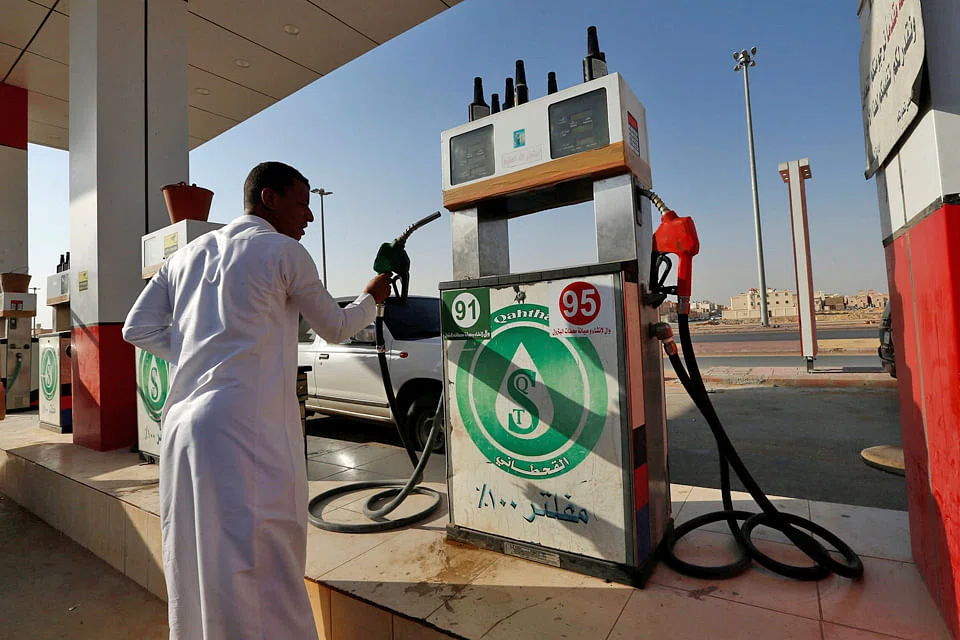
Saudi Arabia compounded the New Year blow for motorists with an unannounced hike of up to 127 per cent in petrol prices with immediate effect from midnight.
They are the latest in a series of measures introduced by Gulf oil producers over the past two years to boost revenues and cut spending as a persistent slump in world prices has led to ballooning budget deficits.
The 5 per cent sales tax applies to most goods and services and analysts project that the two governments could raise as much as US$21 billion in 2018, equivalent to 2.0 per cent of GDP.
But it marks a major change for two super-rich countries where the mall is king. Dubai has long held an annual shopping festival to draw bargain hunters from around the world to its glitzy retail palaces.
Saudi Arabia has deposited billions of dollars in special accounts to help needy citizens face the resulting rise in retail prices.
The other four Gulf states - Bahrain, Kuwait, Oman and Qatar - are also committed to introducing VAT but have delayed the move until early 2019.
None of the Gulf states levies any personal income tax and none has any plans to do so.
The International Monetary Fund has repeatedly urged Gulf states to diversify their revenues away from oil, which accounts for more than 90 per cent of the Saudi budget and 80 per cent in the UAE.
Both Riyadh and Abu Dhabi asked all companies with earnings of US$100,000 or more a year to register in the VAT system.
The UAE finance ministry said that VAT returns will be used "for infrastructure development ... (to) upgrade public services ... and boost UAE economy competitiveness." The hike in fuel duty in Saudi Arabia was the second in two years.
But it still leaves petrol prices as some of the lowest in the world. High-grade petrol rose 127 per cent from 24 cents a litre to 54 cents, while low-grade petrol rose 83 per cent from 20 cents a litre to 36.5 cents. Duty on diesel and kerosene remained unchanged.
The introduction of VAT coupled with the increase in fuel duty is expected to bring an abrupt end to a year of negative inflation in Saudi Arabia.
Riyadh-based Jadwa Investment predicted that inflation could reach as much as 5 per cent after the new measures.
Saudis reacted sarcastically on social media to the new sales tax. "They are even taking taxes on car parking. I am afraid they will next tax the air," wrote Ahmed bin Fatima.
Saudi Arabia, whose economy contracted by 0.5 per cent last year for the first time since 2009, has introduced a raft of measures to raise revenue and cut spending as it bids to balance its books. Last month, it cut the government subsidy on electricity supply for the second time in two years, leading to a sharp rise in bills.
Riyadh posted budget deficits totalling US$260 billion over the past four fiscal years and does not expect to balance its books before 2023. To finance its mounting public debt, the kingdom has withdrawn around US$250 billion from its reserves over the past four years, reducing them to US$490 billion. AFP
TRENDING NOW

Singapore expects all parties to honour commitments, says PM Wong after Indonesia cuts gas exports

Gas Supply may pursue remedies if contract breached following Indonesia’s export cuts: Tan See Leng

SoftBank’s Son plans US$50 billion Malaysia tech outlay: Anwar Ibrahim

Is Manila Asia’s new dining hot spot?

