

Saudi Arabia’s PIF wealth fund takes US$11 billion investment hit
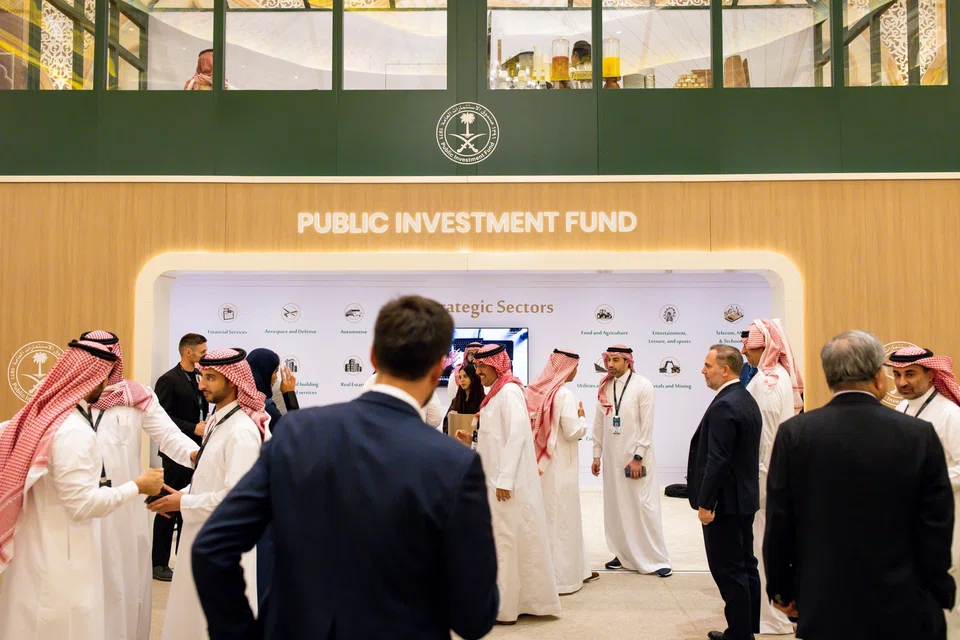
SAUDI Arabia’s sovereign wealth fund took an US$11 billion hit on its investments last year – even as it stepped up a worldwide spending spree – after tumbling global stock and bond prices impacted its holdings.
That compares with a profit on investment activities of US$19 billion in 2021 as markets rallied in the wake of the coronavirus pandemic.
The Public Investment Fund (PIF), which now manages about US$778 billion in assets, didn’t disclose a figure for shareholder returns for 2022 when the S&P 500 Index dropped almost 20 per cent. In 2021, it made a 25 per cent return, roughly in line with that of investors in the S&P for the period.
This year’s results mean that the fund’s net loss attributable to its owner was 36.6 billion riyals (S$13.1 billion) in 2022, compared with a profit of 81.8 billion riyals a year earlier, according to the wealth fund’s accounts published on Tuesday (Jul 11).
The figures offer a rare insight into the finances of one of the world’s biggest state investors, which is in the midst of a global investment spree after transforming from a domestically-focused holding company into a sovereign fund in 2016. The fund has been snapping up stakes in video game makers and electric carmakers, as well as funding new cities in the desert as it seeks to amass US$2 trillion in assets by 2030.
In recent months, it has grabbed global attention for a deal to merge its upstart LIV golf tournament with the PGA, part of a push by the kingdom to boost its soft power and improve its image internationally by investing in global sports.
Temasek loss
The PIF isn’t the only sovereign entity to be hit by the slump in global markets as investors fretted about inflation, higher borrowing costs, and the fallout from the war in Ukraine. On Tuesday, Singapore’s state-owned investor Temasek Holdings reported its worst return in seven years and a rare net loss, also citing the slump in equities. Norway’s US$1.3 trillion sovereign wealth fund also reported its biggest loss since the 2008 financial crisis for last year.
Despite the PIF swinging to a loss, some of those global issues helped the kingdom’s government record its first surplus in almost a decade due to soaring oil prices and production volumes. This has helped Saudi Arabia to keep up its spending to diversify its economy away from oil.
During the course of 2022, the fund established the Sports Investment Company as a wholly owned subsidiary to invest in sports internationally and within the country. This year, the Saudi government transferred a further 4 per cent of energy giant Aramco – worth almost US$80 billion – to PIF.

The fund manages a US$35.6 billion portfolio of US equities that includes stakes in Lucid Group, Activision Blizzard, and Uber Technologies, according to a regulatory filing for the end of the first quarter.
The PIF has been becoming more transparent since it started tapping international debt markets last year. Most sovereign wealth funds in the region, which control trillions of US dollars, don’t disclose much information on their investments or returns.
Borrowing by the fund reached US$85 billion at the end of last year, according to the report. It raised US$5.5 billion from a three-part green bond sale earlier this year. BLOOMBERG
Decoding Asia newsletter: your guide to navigating Asia in a new global order. Sign up here to get Decoding Asia newsletter. Delivered to your inbox. Free.
Share with us your feedback on BT's products and services
TRENDING NOW
Despite the de-dollarisation debate, demand for dollar liquidity in Asia is growing
URA to review guidelines on floor space to give developers more design flexibility: Chee Hong Tat

He built the Vingroup empire. Now South-east Asia’s richest man is handing some key roles to his sons
Can a first-time homebuyer couple earning S$18,000 a month afford a new EC unit?

