

Saudi economic growth slows as Iran war hits oil exports
In Q1 2026, its gross domestic product expands 2.8% year on year, against 5% in the previous quarter
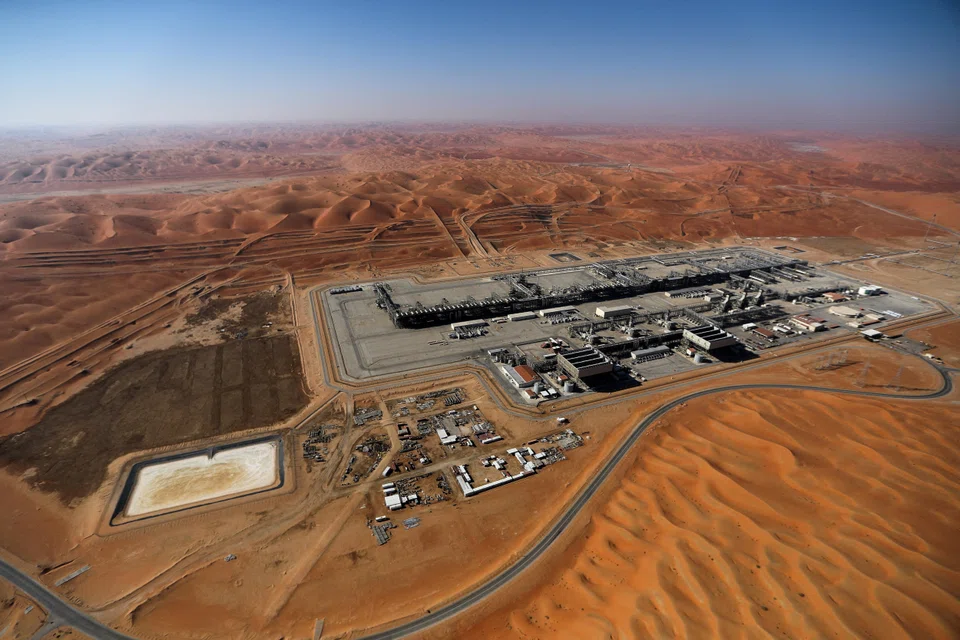
[CAIRO] Saudi Arabia’s quarterly economic growth rate slowed to its lowest since mid-2024, as the kingdom grappled with the Iran war’s effects on its crucial oil industry.
Its gross domestic product expanded 2.8 per cent year on year in the three months until March, based on preliminary figures from the General Authority for Statistics on Thursday (Apr 30), against 5 per cent in the previous quarter.
The oil sector expanded 2.3 per cent, down from 10.8 per cent the previous quarter. Non-oil activity – which authorities say is their main focus as they work to transform the US$1.2 trillion economy – slowed to 2.8 per cent from 4.3 per cent last quarter.
The figures give some of the first detailed signs of the economic impact on Saudi Arabia of the US-Israeli war on Iran that began Feb 28.
The Islamic Republic retaliated with strikes on US allies across the Gulf, including targeting energy facilities in Saudi Arabia, disrupting production and exports.
The conflict effectively closed the Strait of Hormuz, a chokepoint through which a fifth of the world’s oil typically transits. Saudi Arabia has managed to offset some of the losses by redirecting flows via a pipeline to the Red Sea port of Yanbu.
That has it allowed it to partially benefit from the spike in oil prices, which reached a war-time high of US$126 a barrel on Thursday.
“The playbook that the Saudi authorities deployed at the beginning of the crisis allowed them to be more resilient,” said Jihad Azour, the International Monetary Fund’s (IMF) Middle East and Central Asia director, in an interview with Bloomberg TV.
The IMF expects Saudi Arabia’s economy to grow 3.1 per cent this year – a downward revision of 0.9 percentage point from the lender’s October projection. The fund forecasts the kingdom to take a smaller hit than some of its neighbours.

That resilience may face a new test with the United Arab Emirates’ exit from Opec after six decades of membership.
The departure of Saudi’s neighbour on May 1 is a significant blow to the Saudi-led group and its ability to manage oil prices by adjusting supply.
The shock move is the culmination of years of tension with the kingdom over oil output policy and competition for regional political influence. BLOOMBERG
Decoding Asia newsletter: your guide to navigating Asia in a new global order. Sign up here to get Decoding Asia newsletter. Delivered to your inbox. Free.
Share with us your feedback on BT's products and services
TRENDING NOW

DBS, OCBC, UOB rout lops billions off STI as inflation, rate concerns spook investors

Grab CEO’s wife Chloe Tong on life with Anthony Tan and finding her purpose

OCBC sheds S$8 billion in value as shares close nearly 6% down; analysts cautious on banks

Deal between tycoon friends sparks scrutiny of Philippine power sector

