

Saudi’s US$1 trillion wealth fund weighs creating a logistics giant
This involves combining parts of its sprawling portfolio of ports, rail and shipping assets into a single entity
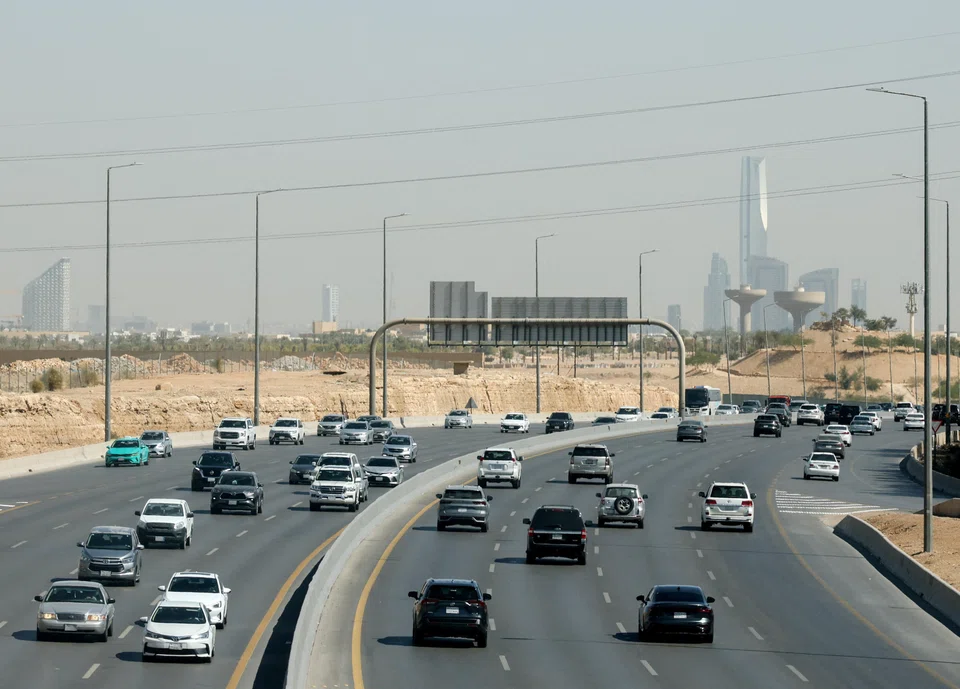
[DUBAI] Saudi Arabia’s sovereign wealth fund is considering consolidating transport and supply-chain assets to create a logistics giant that can attract foreign investment and better serve the kingdom’s trade hubs, amid the upheaval caused by the Iran war.
The Public Investment Fund (PIF) has held early-stage talks on combining parts of its sprawling portfolio of ports, rail and shipping assets into a single entity, said sources.
The enlarged firm could potentially evolve into a vehicle for multibillion-dollar investments across the logistics industry, the sources added, asking not to be identified because the discussions are confidential.
The PIF could also eventually bring international investors into the business, including through an initial public offering, one source said.
The fund controls or holds stakes in a swathe of firms, including the US$8.3 billion national shipping company of Saudi Arabia, Saudi Global Ports, which operates ports in the Eastern Province and Riyadh’s dry-port ecosystem, and Saudi Railway, whose freight and passenger networks span much of the country.
The PIF’s deliberations started before the war began, though talks gained urgency as the conflict continued and the Strait of Hormuz remained shuttered, sources said.
Disruptions around the key waterway over the past three months have exposed vulnerabilities in Middle Eastern supply chains, reinforcing the need for alternative trade routes including Saudi Arabia’s Red Sea ports.
Discussions are at a preliminary stage, and no final decisions have been made on creating the new entity, or even which assets would ultimately be folded in. Representatives for the PIF declined to comment.
Should the wealth fund proceed with its plans, the move will potentially add another layer to Saudi Arabia’s economic rivalry with the United Arab Emirates. The UAE hubs of Dubai and Abu Dhabi have for years positioned themselves as gateways to the region.

Dubai’s rise was driven in large part by DP World, a logistics giant that operates in 83 countries and employs more than 119,000 people.
The company runs Jebel Ali, the Middle East’s largest port, with London Gateway in the UK and logistics operations spanning Africa and the US. Meanwhile, Abu Dhabi’s AD Ports Group accounts for nearly a quarter of the emirate’s non-oil economy, by some estimates.
In response to the Hormuz closure, the UAE has stepped up its own investments, including planning an alternative export hub on its east coast and accelerating construction of a pipeline to its Fujairah port on the Gulf of Oman to double crude export capacity.
The PIF’s plans reflect an evolution in Crown Prince Mohammed bin Salman’s Vision 2030 economic agenda, which the fund oversees.
After years of funnelling money into high-profile overseas investments and futuristic mega-projects, the US$1 trillion investor is increasingly prioritising businesses that can generate steady returns while supporting the domestic economy.
Its latest strategy is centred on boosting returns and building portfolio companies into global champions, while identifying logistics as one of the kingdom’s core economic ecosystems.
Creating companies capable of raising their own financing and attracting foreign investment is key to that push.
The fund has been encouraging portfolio companies to secure financing independently by leveraging their balance sheets and growth plans, Bloomberg News has reported. Some of those entities have also been listed on the local stock exchange.
Signs of a broader recalibration are emerging in the PIF empire. Manara Minerals Investment, once expected to lead a wave of major overseas mining acquisitions, has stepped back from pursuing large global deals.
The fund has also cut future funding for LIV Golf, the ambitious project championed by PIF governor Yasir Al Rumayyan, leaving it facing potential bankruptcy.
At the same time, the wealth fund has sought to demonstrate financial discipline as it taps debt markets, recently attracting strong demand for a US$7 billion bond sale. BLOOMBERG
Decoding Asia newsletter: your guide to navigating Asia in a new global order. Sign up here to get Decoding Asia newsletter. Delivered to your inbox. Free.
Share with us your feedback on BT's products and services
TRENDING NOW

Once staunchly pro-China, Malaysian Chinese businesses are now distancing themselves from Beijing

Britain’s mansion tax shows the difficulty of targeting wealth

Three hats, one goal: How Ng Kian Swan runs sustainability at NUHS

COE review: The gap between luxury and mass-market cars isn’t the only one worth bridging

