Trump nominee Kevin Warsh confirmed as Fed chair
President Donald Trump has repeatedly attacked the Fed for not lowering interest rates as aggressively as he would like
 Add BT as a preferred source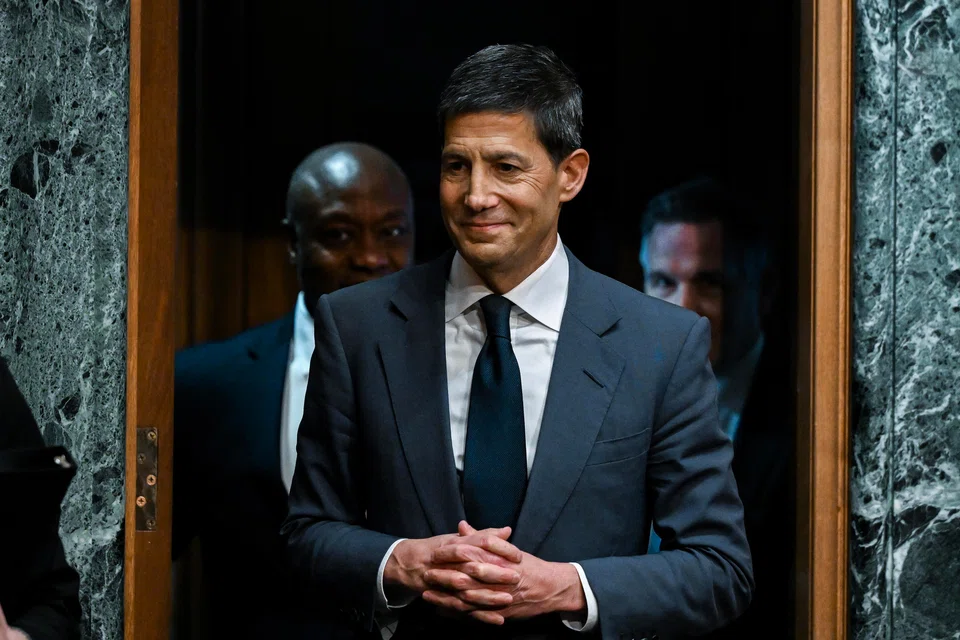
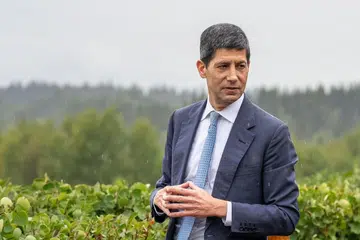
THE Senate on Wednesday (May 13) confirmed Kevin Warsh to become the next chair of the US Federal Reserve, marking the start of a new era for an institution that US President Donald Trump has repeatedly attacked for not lowering interest rates as aggressively as he would like.
Warsh, whom Trump nominated for the top job at the central bank, was approved on a 54-45 vote. He will replace Jerome Powell, whose term as chair ends May 15. All but one Democrat in the upper chamber voted against Warsh, reflecting lingering concerns about his willingness to uphold the long-standing political independence of the central bank.
Trump has taken direct aim at that autonomy since returning to the White House last year. He is currently embroiled in a legal fight with Lisa Cook, a Fed governor he tried to fire over unsubstantiated allegations of mortgage fraud. The issue has since been taken up by the Supreme Court, which is expected to issue an opinion before its current term ends in July.
The president has also repeatedly insulted Powell, threatened to fire him and even backed a Justice Department criminal investigation into his handling of renovations of the Fed’s headquarters. That investigation was once a major impediment to Warsh’s confirmation. Senator Thom Tillis, R-NC, a member of the powerful Senate Banking Committee, vowed to block any Fed nominee from moving forward until the legal threats against Powell were dropped.
Jeanine Pirro, the US attorney for the District of Columbia, relented late last month, but she maintained that the Justice Department could reopen the inquiry at any point. Pirro, who asked a federal judge last week to vacate a ruling that threw out subpoenas she had issued against the central bank, has said that she will proceed depending on what the Fed’s internal watchdog finds. Powell requested that inquiry in July.
Pirro’s abrupt about-face was sufficient to appease Tillis, who lifted his blockade of Warsh’s nomination shortly afterwards. But it did not satisfy Powell, who had previously asserted that the investigation was retribution for the Fed’s refusal to acquiesce to the president’s demands for lower borrowing costs.
Powell said last month that he would not leave the Fed after his chair term ends on May 15 and would continue to serve as a governor, a position he can hold until January 2028. Powell said that the pressure campaign being waged against the central bank left him no choice but to stay.
“I worry that these attacks are battering the institution and putting at risk the thing that really matters to the public, which is the ability to conduct monetary policy without taking into consideration political factors,” he told reporters at his final news conference as chair late last month.
Powell maintained that he would keep a “low profile” as a governor, but his continued presence could prove awkward for Warsh, who has vowed to embark on “regime change” at the Fed. Warsh, a Wall Street veteran who served as a Fed governor from 2006 to 2011, has already hinted at changes to the Fed’s massive portfolio of government bonds and mortgage-backed securities, what data it uses to assess the economic backdrop and how officials communicate about future policy changes.
Among Warsh’s first tasks will be to establish his credibility as an independent chair, rather than someone who will do the president’s bidding. During his confirmation hearing, Senate Democrats sought to brand Warsh as Trump’s “sock puppet”, a label he repeatedly refuted. But the president’s insistence that he would only choose someone for the job who supported lower rates has only made Warsh’s job harder.
Adding to Warsh’s problems is that the case for rate reductions has become much weaker since the onset of the Iran war. Rising energy prices have pushed inflation sharply higher and fanned fears of a more persistent problem if the conflict does not end soon. The labour market, while vulnerable, has also held up relatively well, obviating the need for any immediate action.
Investors had largely ruled out the idea of a rate cut this year as new inflation risks began to mount. This month, the balance tilted towards the potential for the central bank to raise interest rates next year.
No Fed official has so far called for a rate increase, but a growing group have begun to make the case for the central bank to signal that one is equally plausible as a rate cut at this juncture. That suggests Warsh will face a groundswell of opposition if he chooses to advocate for a reduction in the coming months. His first meeting as chair is scheduled for Jun 16 to 17. NYTIMES
Decoding Asia newsletter: your guide to navigating Asia in a new global order. Sign up here to get Decoding Asia newsletter. Delivered to your inbox. Free.
Share with us your feedback on BT's products and services