

‘Shop in China’ travel boom risks complicating PBOC’s yuan math
Foreign visitors to the capital city of Beijing spent an unprecedented 50.6 billion yuan in 2025
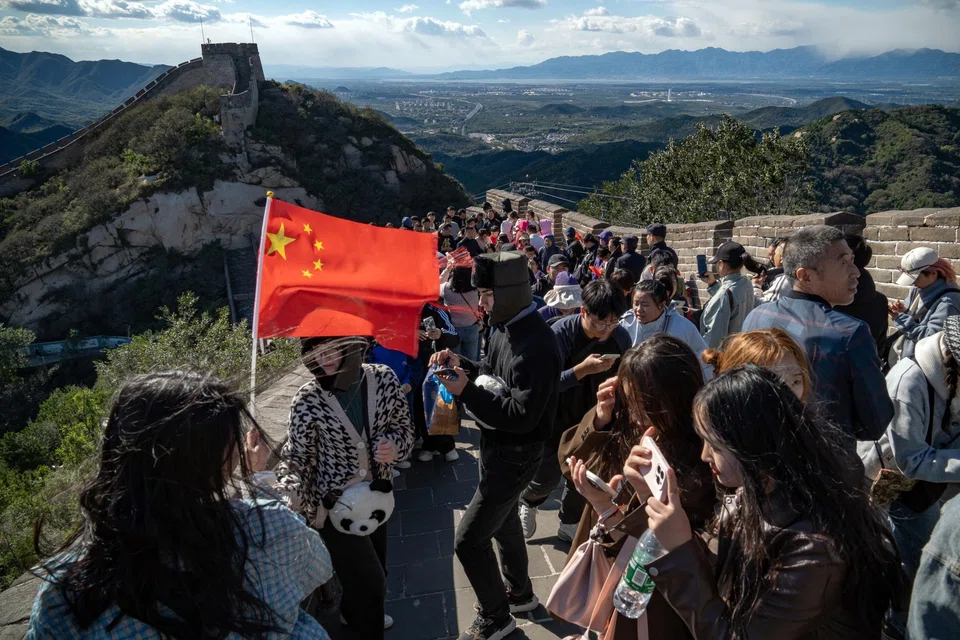
A SURGE in foreign travellers strolling in Beijing’s Summer Palace and binging on Shanghai’s soup dumplings risks complicating the Chinese central bank’s efforts to ensure measured, orderly gains in the yuan.
Top tourism hubs, including Beijing, Jiangsu and Guangdong, have each seen a jump of about 40 per cent in overseas visitors last year, resulting in double-digit growth in travel-related inflows, official data show. With policymakers having vowed to lure even more tourists to the mainland, the drive has the potential to fuel a further advance in the yuan, which is riding its longest weekly winning streak in over a decade.
“Inbound tourism will likely become even hotter going forward and that can lead to more strength in the yuan,” said Xia Le, chief Asia economist at BBVA Hong Kong. “Chinese regulators may take more measures to slow the appreciation. I expect the yuan to end this year at 6.8 per US dollar.”
Foreign visitors to the capital city of Beijing spent an unprecedented 50.6 billion yuan (S$9.3 billion) in 2025, a 45 per cent jump from the previous year. Guangdong province, which benefits from its adjacency to Hong Kong, hosted more than 90 million travellers who spent over 200 billion yuan, a 54 per cent surge from 2024.
Overall, for the first three quarters of 2025, inbound tourism brought China an unprecedented capital inflow of US$38.2 billion, according to the currency regulator.
While a stronger yuan is in sync with Beijing’s long-standing goal of internationalising the currency, authorities are cautious about rapid gains that can diminish the appeal of Chinese exports. Already, a number of powerful tailwinds, including broad weakness in the US dollar, China’s record trade surplus and renewed interest in domestic stocks, have propelled the yuan to its strongest level in more than two years.
Against this backdrop, flows from inbound tourism risk creating a headache that the People’s Bank of China (PBOC) can do without. The central bank has already been setting its daily reference rate weaker than market expectations since late November.
International visitors to the mainland fuel demand for the yuan by converting their foreign exchange into the local currency to pay for expenses such as hotels, meals and shopping. This spending is recorded as a services trade in China’s current account.
The nation should build the ‘Shop in China’ brand by further optimising departure tax refund policies to boost spending by inbound travellers, Commerce Minister Wang Wentao wrote in an article in January. In the last two years, China added dozens of countries, including Australia, Japan and South Korea, to its unilateral visa-free list.




“Inbound tourism will continue,” said Xiaojia Zhi, an economist at Credit Agricole CIB, adding that the improving investor sentiment towards Chinese assets would boost demand for business travel as well.
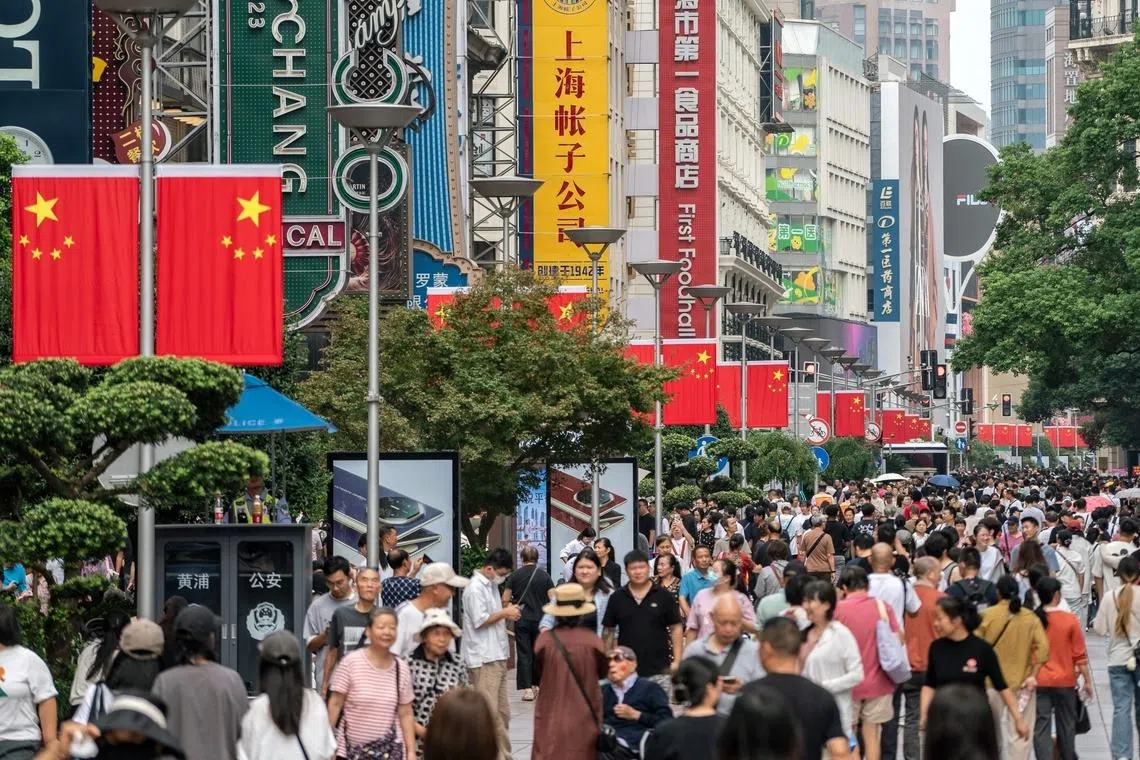
Looking further ahead, the nation’s tourism sector is forecast to grow 7 per cent annually over the next decade, contributing US$3.8 trillion to the gross domestic product by 2035, or 14 per cent of its economy, according to a report by hospitalitynet.org, which cited data from the World Travel & Tourism Council. By 2031, the Asian nation is expected to become the world’s largest travel market, passing the US, the report said.
Serena Zhou, an economist at Mizuho Securities in Hong Kong, said that “while China is expected to see more inbound tourists, the growth will properly gradually normalise”.
Further, outbound tourism serves as a bigger counterweight. Spending by Chinese citizens when they travel overseas – at US$190 billion in the first three quarters of 2025 – is much higher when compared with inbound visitors. “The number of inbound foreign tourists is only one quarter of outbound tourists,” Zhou added.
For now though, the yuan’s momentum continues to be strong and market watchers expect more gains. The currency is projected to rise to 6.85 by the end of the year, according to the median forecast of analysts in a Bloomberg survey.
“The PBOC will likely continue to emphasise that any appreciation will be managed to avoid leading to excessive yuan appreciation expectations and market volatility,” Zhi of Credit Agricole said. BLOOMBERG
Decoding Asia newsletter: your guide to navigating Asia in a new global order. Sign up here to get Decoding Asia newsletter. Delivered to your inbox. Free.
Share with us your feedback on BT's products and services
TRENDING NOW
DBS remains analysts’ pick ahead of Q3 earnings after Singapore banks’ share slump

Singapore identifies 7 firms responsible for haze fires, notices issued urging action: Grace Fu

Good Class Bungalow market activity picks up pace on ‘realistic’ pricing

High Court rules against Julius Baer’s Singapore trust arm in US$50 million family trust dispute

