Singapore among 'most resilient' in face of risks
Chief threat is financial market crash, which can cost US$1.3b of annual output: Lloyd's
Singapore
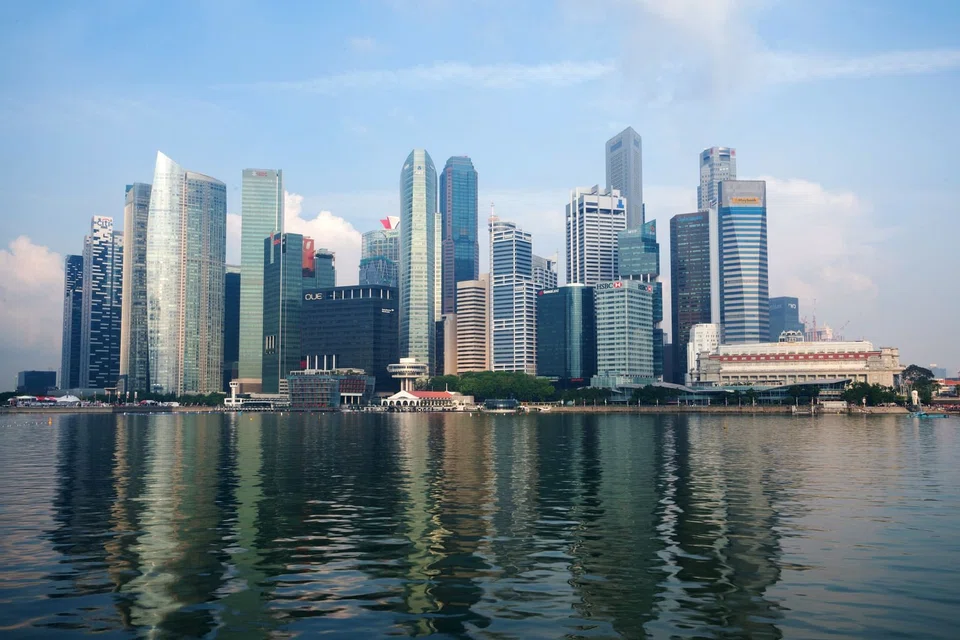
SINGAPORE has been ranked among the world's most resilient cities in the face of 22 man-made and natural risks considered in Lloyd's City Risk Index (CRI) 2018, the insurer said in a statement on the report released today.
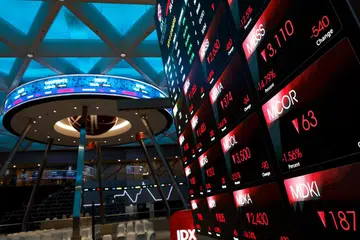
The biggest threat to the city-state is financial market crash, which could cost it up to US$1.3 billion of its annual economic output. This accounts for more than 40 per cent of total gross domestic product (GDP) at risk of US$3.2 billion, ranking Singapore third after Manila and Jakarta for the most GDP at risk among 13 cities in South-east Asia.
But Singapore's GDP at risk comprises just 1.01 per cent of its total, and along with the capitals of Japan, South Korea and New Zealand, Singapore is one of 16 Asia-Pacific cities given the highest rating of "very strong" in their resilience to the threats they face.
The CRI was compiled by Lloyd's in partnership with the Cambridge Centre for Risk Studies at University of Cambridge Judge Business School, and studied GDP at risk in 279 cities around the world.
The combined GDP at risk for the 92 Asia-Pacific cities in the study is US$241.3 billion annually, or 1.87 per cent of the projected average annual GDP of US$12.9 trillion. Tropical windstorm is the greatest threat to the region overall, while financial market crash is the top global risk.
The resilience ratings are determined by the potential impact of the various threats, given the city's exposure to them and the level of resilient infrastructure in place, Lloyd's Singapore country manager Angela Kelly told The Business Times.
For instance, floods are the second-biggest threat to Singapore, given the island's geography, and they account for US$420 million of GDP at risk. But recent upgrades of flood management and infrastructure have reduced the threat's potential impact.
Similarly, while financial market crash threatens a relatively large amount of GDP, Singapore is still considered resilient because of the strict regulations in its financial sector.
"The GDP at risk is a factor of what this city is doing, and you will see that other cities that are not financial centres are far less exposed to things like market crash," said Ms Kelly.
"In Singapore, the level of governance over the financial system would be a positive influence and provide protection against that threat."
Human pandemics are the third-biggest threat Singapore faces with US$380 million of GDP at risk. Ms Kelly said urbanisation amplifies the impact of pandemics in cities.
Cyberattacks are another growing threat as technology continues to evolve, and currently rank fourth in the list of threats with US$330 million of GDP at risk.
The CRI is meant to help cities identify vulnerabilities and take steps to improve resilience, said Ms Kelly.
Ratings run the gamut from "very weak" to "very strong" in the Asia-Pacific, with 19 cities mostly in India and Pakistan given the lowest rating. but improvements across the board would reap financial benefits for the entire region.
Lloyd's estimates that strengthening all the Asia-Pacific cities' resilience ratings to "very strong" would reduce the region's GDP at risk by US$34 billion.