Aquaculture, energy Centres of Innovation to fuel 'Asia, Global 101' ambition

Singapore
SINGAPORE'S move to introduce two new innovation centres in aquaculture and energy shows its growing emphasis on internationalising small and medium enterprises in sustainability-driven sectors, say industry watchers.
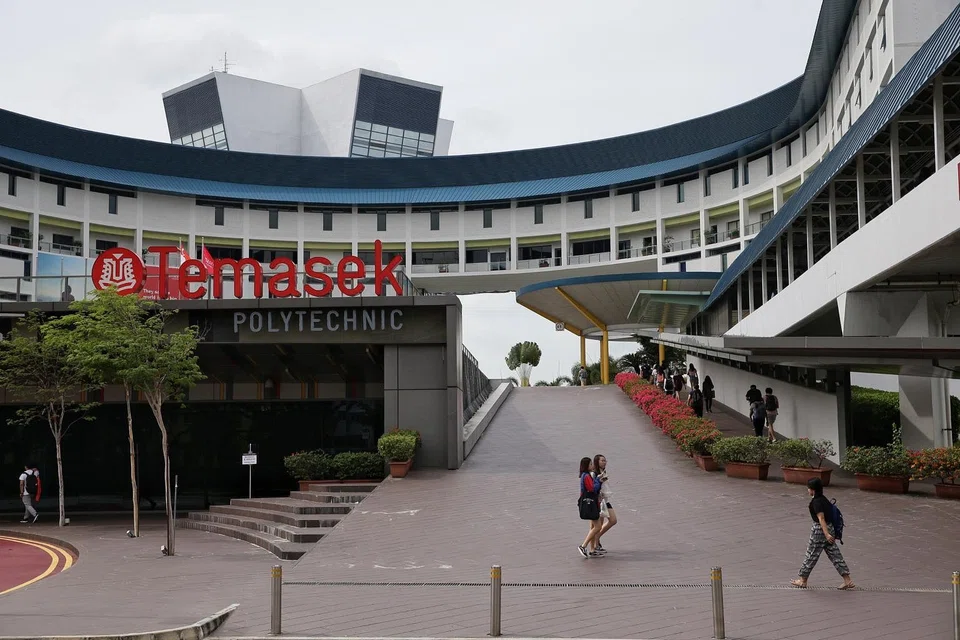
In Monday's Budget speech, Finance Minister Heng Swee Keat announced that Enterprise Singapore will launch two new Centres of Innovation (COIs): one for aquaculture at Temasek Polytechnic, and the other for energy at Nanyang Technological University.
The aquaculture COI will support the growth and internationalisation of local aquaculture enterprises to improve food resilience in Singapore. The energy COI will focus on energy efficiency, renewable energy and electric mobility.
The emphasis on aquaculture was welcomed by industry players, who say there are pain points where innovation is sorely needed.
Issues that could be "magnified" in Singapore include water quality and plastic contamination, feed conversion efficiency, supply chain transparency and consumer confidence, said Rob Hulme, head of Asia at agritech venture builder Beanstalk AgTech.
There are also new trends that local enterprises can ride on, such as offshore aquaculture. "Singapore is well-placed to attract industry investment in genetic improvement, growing systems and feed technology to drive growth in this sector," he said.
Aquaculture deserves just as much attention as other high-tech sectors, concurred Kenny Yap, executive chairman of ornamental fish seller Qian Hu Corp.
The energy COI, meanwhile, is consistent with Singapore's broader commitment to cut carbon emissions, said Irene Tai, corporate tax director at PwC Singapore. Complementary elements of this year's Budget include the introduction of a carbon tax and the Zero Waste masterplan.
Separately, the Budget also addressed the need for local talent to gain global exposure. The Global Ready Talent Programme (GRTP) will harmonise the SME Talent Programme, Young Talent Programme and Go Southeast Asia Award into a single programme. Local companies providing local or overseas internships can receive funding of up to 70 per cent of students' monthly stipends.
The GRTP will also feature management associate programmes, where local firms posting Singaporeans with up to three years of working experience in key overseas markets can receive funding support.
Mr Yap of Qian Hu welcomed the harmonisation of schemes under the GRTP. "I hope they can allow more SMEs to participate in the management associate programmes as the tendency previously was always (to lean towards) MNCs and local big companies," he said.
More broadly, the COIs and GRTP are in line with Singapore's need to become "Asia 101" for multinational corporations looking to Asia for growth, as described by Mr Heng on Monday. Concurrently, the country must be a "Global 101" city for Asian companies ready to expand worldwide, he said.
The Asia and Global 101 ambitions are not new, but are a "neat way for people and firms to associate Singapore as a key node to invest in and springboard from", said Richard Skinner, deals strategy leader at PwC Singapore.
Annie Koh, a finance professor at the Singapore Management University, reckoned before becoming "Asia 101", firms here need to be more specialised in South-east Asia. "Do the accounting, legal and advisory people know South-east Asia well?... Asia 101 is too broad... It's also about knowing the Free Trade Agreements that sit in Vietnam and the culture of Cambodia," she said.
Amendment note: An earlier version of this article incorrectly stated that local companies providing local internships, and local and foreign companies providing internships abroad can receive funding for students' monthly stipends. In fact, only local companies may receive this funding. The article above has been revised to reflect this.
Key points
TRENDING NOW
Grab CEO’s wife Chloe Tong on life with Anthony Tan and finding her purpose
He built the Vingroup empire. Now South-east Asia’s richest man is handing some key roles to his sons
HDB reviewing ‘jumbo’ flat scheme after Telok Blangah unit listed for sale at S$2.18m
What role can Japan play in Asean’s future?