

Singapore private sector conditions worsen with July PMI down 1.6 to 50.7
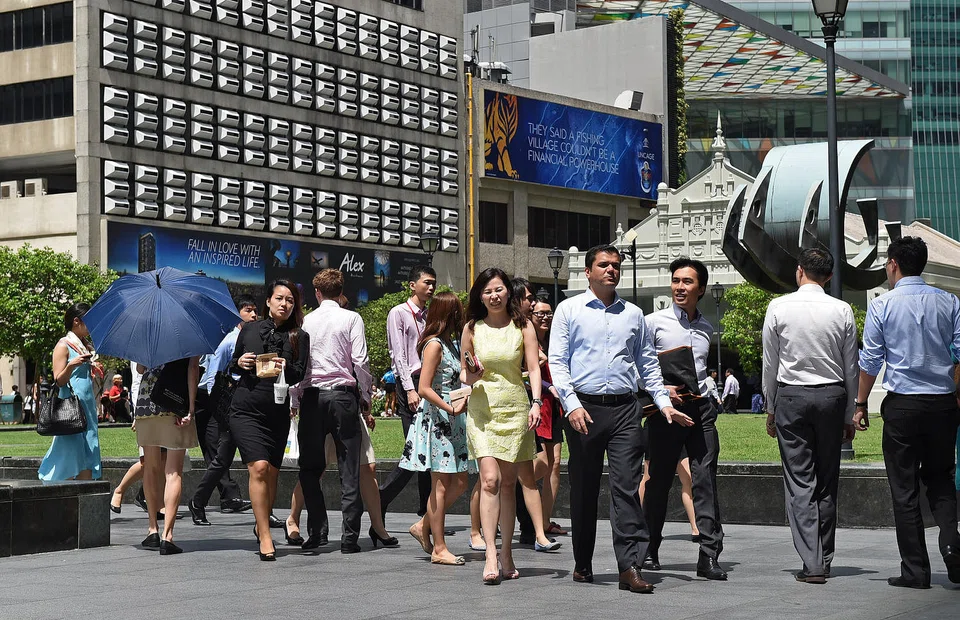
CONDITIONS in the private sector here worsened in July compared to the preceding month, dragged down by a second bout of steep decline in foreign demand this year in Singapore's trade-reliant economy.
In a release on Wednesday morning, Markit, a financial services provider which compiled the data, said that July's Nikkei purchasing managers' index (PMI) was at 50.7, down 1.6 from 52.3 in June.
A reading above 50 signals better conditions from the previous month, while anything below 50 indicates a worsening.
"Softer external demand appeared to be a key factor weighing on new order growth, as new export sales dropped at the second-sharpest pace since the end of 2012 (behind April 2016)," it wrote.
Back in April, the headline PMI was at 49.4, down from March's 52.0.
"According to panellists, weak global economic conditions reduced the amount of new business from overseas," Markit added.
Employment also slid in July. Panellists reported fewer part-time staff, resulting in the drop in workforce numbers.
Total input costs increased again in July. Some companies had raised selling prices in response, but others had to curtail these increases due to promotional activities.
Wednesday's Nikkei PMI follows the Tuesday release of the manufacturing PMI. July's PMI for the sector was down 0.3 to 49.3, marking its 13th straight month of contraction.
Share with us your feedback on BT's products and services
TRENDING NOW
One-third of Singapore-listed firms at risk in severe AI downturn: MAS

‘Not done’: Keppel CEO Loh Chin Hua transformed the group, but says there’s ‘still a lot to do’

He built the Vingroup empire. Now South-east Asia’s richest man is handing some key roles to his sons

‘We don’t want to stay as we are’: CEO Patrick Ng builds a more resilient Huationg

