Singaporeans most worried about finances in SEA amid rising costs: UOB study

Tan Nai Lun
Tan Nai Lun

Published Mon, Sep 19, 2022 · 06:38 PM
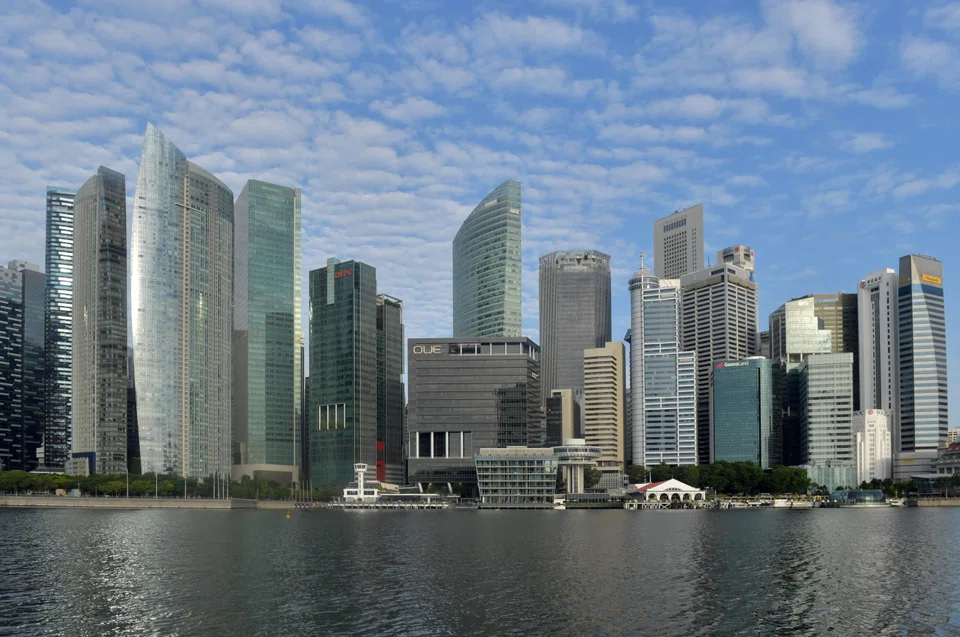
    • Some 66 per cent of Singaporeans were meaningfully concerned about finances, more than 10 percentage points above the regional average of 55 per cent, UOB said.
    • Some 66 per cent of Singaporeans were meaningfully concerned about finances, more than 10 percentage points above the regional average of 55 per cent, UOB said. PHOTO: ALPHONSUS CHERN (ST)

    SINGAPOREANS have the most finance-related worries in the South-east Asian region, amid expectations of rising household expenses and higher inflation, UOB said.

    In its Asean Consumer Sentiment Study 2022 published on Monday (Sep 19), the bank noted that 66 per cent of Singaporeans were meaningfully concerned about finances, more than 10 percentage points above the regional average of 55 per cent.

    Among the Singapore respondents, 67 per cent were concerned about rising household expenses, 61 per cent about long-term financial commitments, 64 per cent about decline in savings and wealth holdings, and 74 per cent about an increase in the goods and services tax (GST) and inflation.

    This is not surprising as Singaporeans also have the highest income in the region, said CIMB economist Song Seng Wun.

    “They earn more, they spend more, they worry more,” Song said.

    Song noted that there is a higher awareness about financial worries in Singapore as it is a small and open country, while policymakers have also constantly reminded Singaporeans to not over-leverage.

    Meanwhile, UOB head of research Suan Teck Kin said Singaporeans are likely more impacted by external uncertainties such as geopolitical tensions and market volatilities, as the Republic has a very compact, highly competitive and externally-dependent economy.

    Suan also noted domestic factors such as GST hikes, rising certificate of entitlement (COE) prices and private home prices, while many essential items such as food, electricity and water are also not subsidised in Singapore.

    CIMB’s Song is still positive on retail consumption in the country, given that Singaporeans are still gainfully employed.

    “While cost of living has gone up, the piggy bank is still sufficient and importantly, most are not over leveraged,” he said.

    He is also positive on corporate spending overall, although he is more optimistic on sectors that will benefit from easing Covid-19 restrictions such as increased footfall.

    UOB’s Suan also noted positive factors, such as the strong Singapore dollar that can help offset higher prices on imports, and Singapore’s growing economy, which will mean better employment prospects and income opportunities.

    Work-related anxiety increased across the region, although the level of concern in Singapore now appears to be less acute than in the rest of South-east Asia compared with 2021. The percentages of Singapore respondents concerned about losing jobs and about pay cuts eased by 5 percentage points each from 2021 levels to 51 per cent and 52 per cent, respectively, in 2022. The regional average declined by 13 percentage points for job loss to 47 per cent and by 14 per cent for pay cuts to 47 per cent as well.

    The climate remains uncertain and volatile even as Singapore emerges from the Covid-19 pandemic, UOB said.

    Apart from worries, the report also noted that almost half of Singaporeans have returned to the office full-time to work even though over 80 per cent prefer some form of flexible work arrangement.

    The study surveyed around 3,500 people in Singapore, Thailand, Malaysia, Indonesia and Vietnam on 5 areas: societal progress, individual financial behaviour and career prospects, consumers’ digital evolution, sustainability and future financial trends.