SMU wins in the public sector category
Despite almost doubling its student population over the last decade and adding new buildings, facilities, it achieved significant cuts in electricity consumption.
 Add BT as a preferred source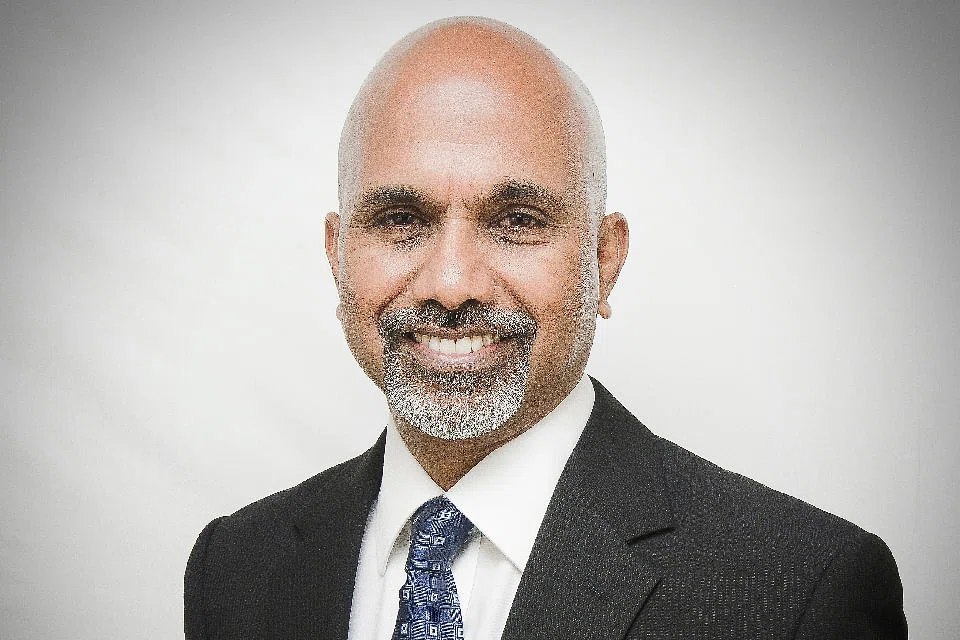
AMONG the four winners from the public sector this year at the annual EENP Awards is the Singapore Management University (SMU). It was recognised in the Organisation category along with Ngee Ann Polytechnic. Two JTC engineers won in the public sector individual category.
SMU says that it has adopted a whole-of-university approach to sustainability, aligned its energy efficiency initiatives with national objectives and developed quality infrastructure to support its dynamic pedagogical and operational requirements.
"Despite almost doubling of the student population over the last decade and the addition of new buildings and facilities, SMU has achieved a significant reduction in electricity consumption," Sundaravadivelan Selvam, vice president, campus infrastructure and services, SMU, tells The Business Times.
Beyond hardware improvement, concerted efforts through ground-up and management-led awareness activities have contributed to a noticeable shift in the behaviour of SMU faculty, staff and students in becoming more proactive in conserving electricity, he adds.
On getting the EENP Award, he says: "We are honoured to receive this award. It is a significant recognition of the university's efforts on infrastructure enhancements and community participation in reducing energy consumption. The award will encourage us to achieve even more ambitious goals.
"We would like to express our appreciation to NEA, BCA and other public agencies which have been the key enablers for SMU in exploring and implementing new sustainability initiatives. The efforts by our in-house teams, consultants and contractors, equipped with the latest global industry knowledge and technological know-how, have also been instrumental in helping SMU realise our energy reduction goals."
He says that the pandemic has brought about unique challenges. Buildings now not only have to operate efficiently but safely as well. To do so, SMU makes use of smart control systems to reduce energy usage by automatically turning off utilities and facilities which are detected to be unoccupied.
"SMU's green journey includes improving energy efficiency as well as other initiatives which have led to various Green Mark Certifications and awards. The university is committed to maintaining the existing spaces in optimal conditions, as well as developing contemporary and functionally efficient facilities. Plans are being put into action to elevate the performance of our Green Mark Platinum standard buildings to Super Low Energy buildings in the coming years."
Apart from hardware management, SMU believes in the importance of having an engaged community in fostering its sustainability efforts. As such, more awareness programmes are being developed to keep the SMU community abreast of campus developments, energy reduction campaigns and initiatives to achieve a higher outcome in the coming years.
"SMU is also stepping up our industry engagement activities to enhance the sharing of knowledge and experience with industry professionals and students from various institutions. We are taking a holistic approach by grooming the new professionals through academic programmes, conferences, study tours, etc and cultivating new habits in them to do things differently as we find ways to transition from an extractive economy and consumer society to a renewable economy and a society that is resilient," says Selvam.
One of the new areas SMU is looking into is the use of Smart Facilities Management and Analytics solutions that would provide real time alert and diagnostic capabilities for its team to make effective decisions efficiently.
As the current campus has been in continuous operation for many years, it is also embarking on "end of life cycle" replacements of various operating systems including retrofitting existing air-conditioning systems with new high energy efficiency models, intelligent lighting systems which can operate on demand basis, remote monitoring of plug loads, and the use of smart controls to optimise operations by letting the system respond dynamically to the changes in occupancy level.
Apart from cost reductions, improved energy efficiency leads to a longer life expectancy of equipment and a reduction in its maintenance cost. Promotion of energy efficiency begins at the sourcing level with the right sustainable procurement policies in place and by engaging the end-users actively to influence their consumption behaviour.
Air-conditioning, lighting, a building's envelope design and construction materials have been the key focus areas in tackling energy consumption at SMU in recent years. Key energy efficiency improvement initiatives in recent years include the adoption of new high efficiency equipment and lightings, and successful prototype testing of innovative air-conditioning solutions such as enhanced passive displacement cooling systems. These solutions were applied through a complex architecture of smart controls at SMU's new five storey green building, SMU Connexion, which was opened in 2020.
As a result, the fully solar powered development attained the 2019 BCA Green Mark Platinum (Zero Energy) Award. Various energy efficiency efforts have led the university to achieve 100 per cent Green Mark Platinum status for its entire campus.
Decoding Asia newsletter: your guide to navigating Asia in a new global order. Sign up here to get Decoding Asia newsletter. Delivered to your inbox. Free.
Share with us your feedback on BT's products and services