

South Korea closer to recession as Jan exports plunge
 Add BT as a preferred source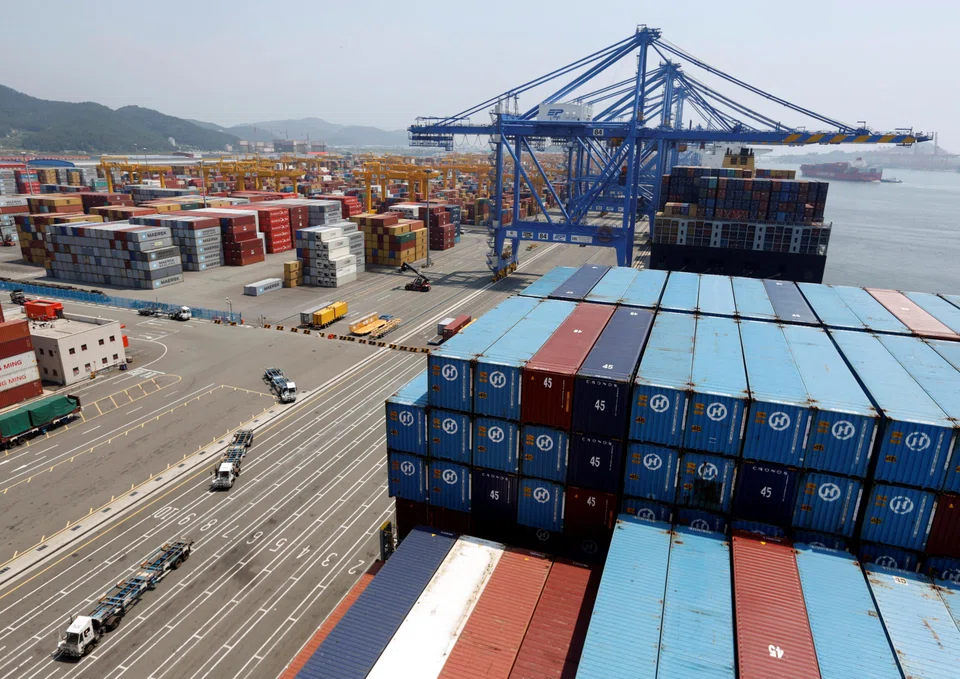
DeeperDive is a beta AI feature. Refer to full articles for the facts.
SOUTH Korea’s economy has come closer to its first recession in three years, as data on Wednesday (Feb 1) showed that its trade deficit in January soared to a record high.
Asia’s fourth-largest economy shrank by 0.4 per cent in the fourth quarter of 2022, and is now on the brink of falling into what would be its first recession since mid-2020, during the height of the Covid-19 pandemic. It posted a monthly trade deficit of US$12.7 billion, setting a record amount for any month.
Data from the Ministry of Trade, Industry and Energy showed that exports fell 16.6 per cent in January from the same month in 2022. This was worse than an 11.3 per cent decline predicted in a Reuters survey, and the fastest drop in exports since May 2020. Meanwhile, imports fell 2.6 per cent compared with a year earlier, less than a 3.6 per cent drop predicted in the survey.
HI Investment and Securities economist Park Sang Hyun said: “I have a zero per cent forecast for first-quarter growth, but today’s trade figures are definitely a minus to that.”
The increasing chances of slipping into a recession – commonly defined as two consecutive quarters of decline in gross domestic product – also underscored growing bets that the central bank’s campaign of raising interest rates since late 2021 had run its course.
Leading the sluggish trade performance in January were a 44.5 per cent dive in semiconductor exports and a 31.4 per cent plunge in sales to China, the trade ministry data showed. Both were the worst rates of decline since the 2008 global financial crisis.
Navigate Asia in
a new global order
Get the insights delivered to your inbox.
South Korean bond yields fell across the board on the growing bets of a less-restrictive monetary policy ahead, while stock and currency investors largely shrugged off the monthly figures.
Finance Minister Choo Kyung Ho blamed the long Chinese New Year holidays in China and a steep fall in computer chip prices from a year ago for the sharp declines in export values. He added that China’s reopening would help ease the situation over time.
“The government will mobilise all available policy resources to help support a drive to boost exports, so that the timing of improvement in trade balance can be advanced,” he said at a meeting of trade-related officials, without elaborating.
The South Korean government forecast that this year’s exports would fall 4.5 per cent after posting a 6.1 per cent gain in 2022. The trade ministry said it would do what it could to avert a decline. REUTERS
Decoding Asia newsletter: your guide to navigating Asia in a new global order. Sign up here to get Decoding Asia newsletter. Delivered to your inbox. Free.
Share with us your feedback on BT's products and services
TRENDING NOW

Air India asks Tata, Singapore Airlines for funds after US$2.4 billion loss
‘Boring’ is the new black: The stars are aligning for a Singapore stock market revival

From 1MDB to ‘corporate mafia’: Is Malaysia facing a new governance test?
South-east Asian markets account for 8.8% of global capital inflows from 2021 to 2024: report

