

South Korea to curb soaring private education spending which hit US$19.97 billion
 Add BT as a preferred source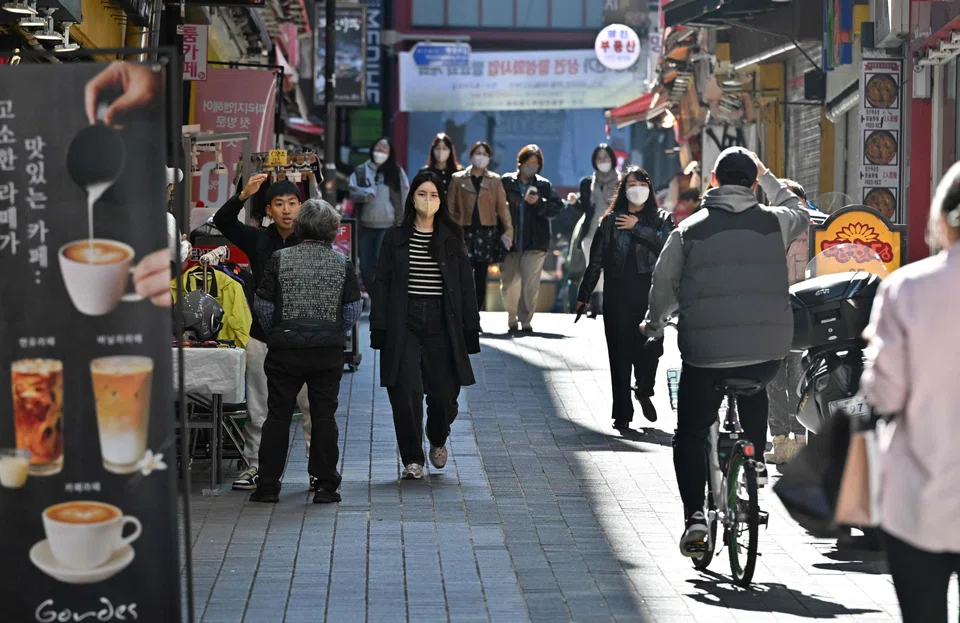
DeeperDive is a beta AI feature. Refer to full articles for the facts.
SOUTH Korea’s government unveiled plans on Monday (Jun 26) aimed at curbing the country’s burgeoning spending on private education, which has been blamed for being a major factor behind the country’s declining fertility rate.
The move comes as President Yoon Suk Yeol this month criticised college entrance tests that incorporate questions not in the curriculum at public schools, including some that have been dubbed “killer questions” due to their complexity.
“We will cut the vicious circle of killer questions in exams which leads to excessive competition among students and parents in private education,” education minister Lee Ju-ho told a briefing.
The ministry also vowed to crack down on private education “cartels” by ramping up efforts to monitor what it termed false and exaggerated advertising.
South Koreans spent a record US$19.97 billion on private education last year, despite a declining student population, a joint report by the education ministry and the government statistics bureau showed.
Nearly eight in 10 students take part in private education such as cram schools, known as “hagwons”, according to the report.

Navigate Asia in
a new global order
Get the insights delivered to your inbox.
This heavy reliance on private education has helped result in South Korea having the world’s highest cost of raising a child, according to a report last year, and the world’s lowest birth rate. REUTERS
Decoding Asia newsletter: your guide to navigating Asia in a new global order. Sign up here to get Decoding Asia newsletter. Delivered to your inbox. Free.
Share with us your feedback on BT's products and services
TRENDING NOW

Vietnam formalises new state leadership, redefining ‘four pillars’ power balance

‘Largest Singapore commercial S-Reit proxy’: analysts say buy CICT shares after Paragon acquisition
From 1MDB to ‘corporate mafia’: Is Malaysia facing a new governance test?
Why where you park your joint venture matters: Lessons from a US$689 million shareholder dispute

