

South Korea enters recession as exports plunge by most since 1963
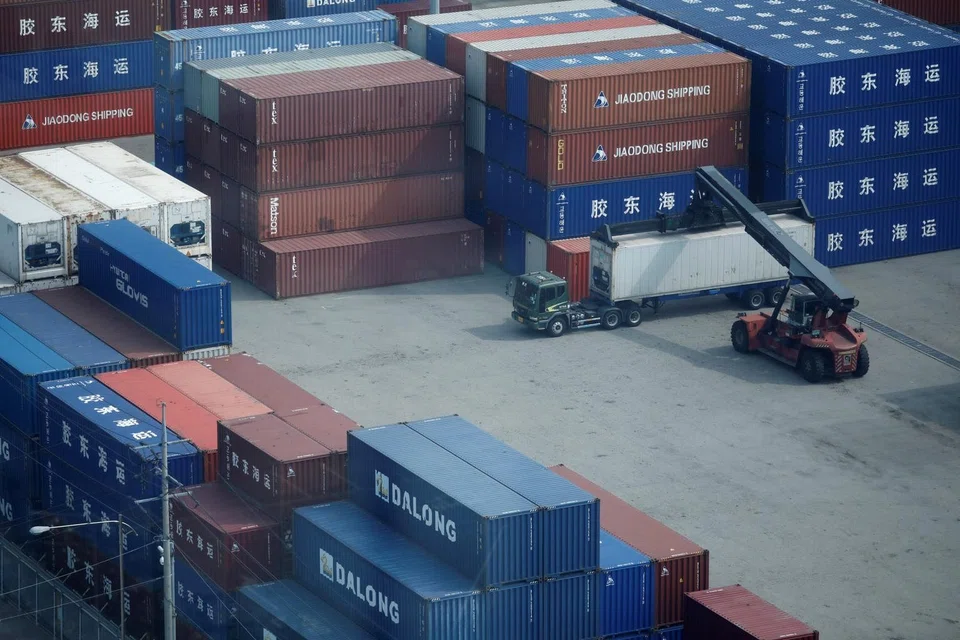
[SEOUL] The South Korean economy plunged into recession in the second quarter in its worst decline in more than two decades as the coronavirus pandemic battered exports and social distancing curbs paralysed factory output.
Asia's fourth-largest economy shrank by a seasonally adjusted 3.3 per cent in the June quarter from three months earlier, the Bank of Korea said on Thursday. That is the sharpest contraction since the first quarter of 1998 and steeper than a 2.3 per cent contraction seen in a Reuters poll.
That took the year-on-year contraction in gross domestic product to 2.9 per cent, the worst since the fourth quarter of 1998 and also underperforming a 2.0 per cent decline seen in the poll.
Exports, which account for nearly 40 per cent of the economy, were the biggest drag on growth, dropping by 16.6% on-quarter to mark the worst reading since 1963.
Construction investment fell 1.3 per cent quarter-on-quarter, while capital investment declined 2.9 per cent.
Output from manufacturing and service sector fell by 9.0 per cent, and 1.1 per cent, respectively.
One saving grace has been a 1.4 per cent gain in private consumption from three months earlier, thanks to government cash handouts that boosted spending on restaurants, clothes and leisure activities.
Finance Minister Hong Nam Ki said the economy is likely to rebound from the third quarter.
"It's possible for us to see China-style rebound in the third quarter as the pandemic slows and activity in overseas production, schools and hospitals resume," Mr Hong said at a policy meeting on Thursday.
The government has rolled out about 277 trillion won (S$320 billion) worth of stimulus to fight the economic fallout from the pandemic so far. However, policymakers have little control over the global demand for the country's exports, which includes everything from memory chips to cars to petrochemical products.
"The worst seems to be over. The base effect and (fiscal injection) from supplementary budget will improve investment," said Park Sang Hyun, an analyst at HI Investment & Securities.
For the whole of 2020, analysts see the economy declining by a median 0.4 per cent, which would be the first and largest contraction since 1998. But the International Monetary Fund estimates an even bigger 2.1 per cent contraction.
Last week, the BOK's governor said a downward revision from its previous projection of a 0.2 per cent decline for 2020 was inevitable.
REUTERS
Decoding Asia newsletter: your guide to navigating Asia in a new global order. Sign up here to get Decoding Asia newsletter. Delivered to your inbox. Free.
Share with us your feedback on BT's products and services






