
South Korea inflation accelerates, challenging central bank view
 Add BT as a preferred source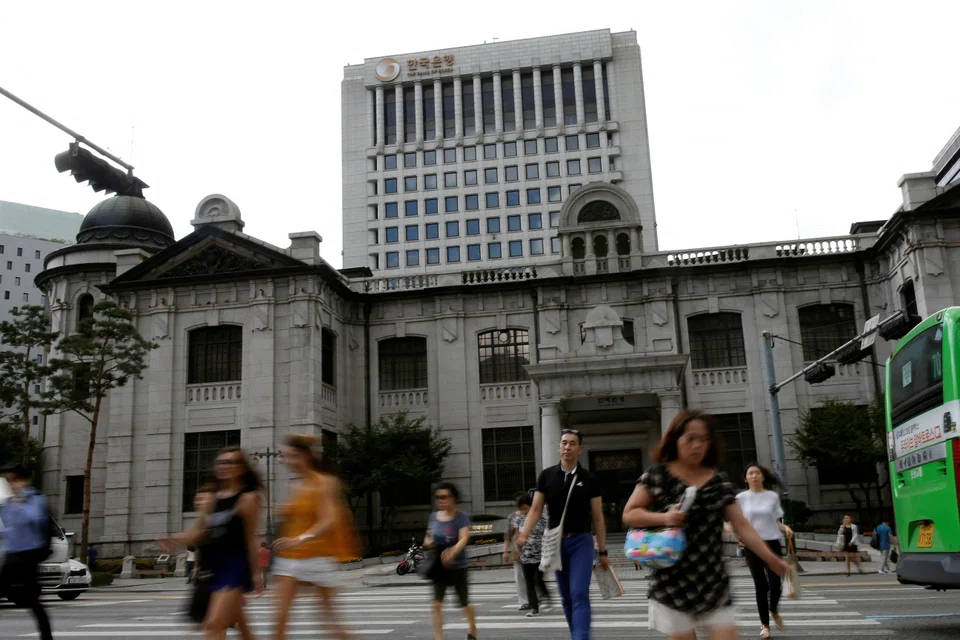
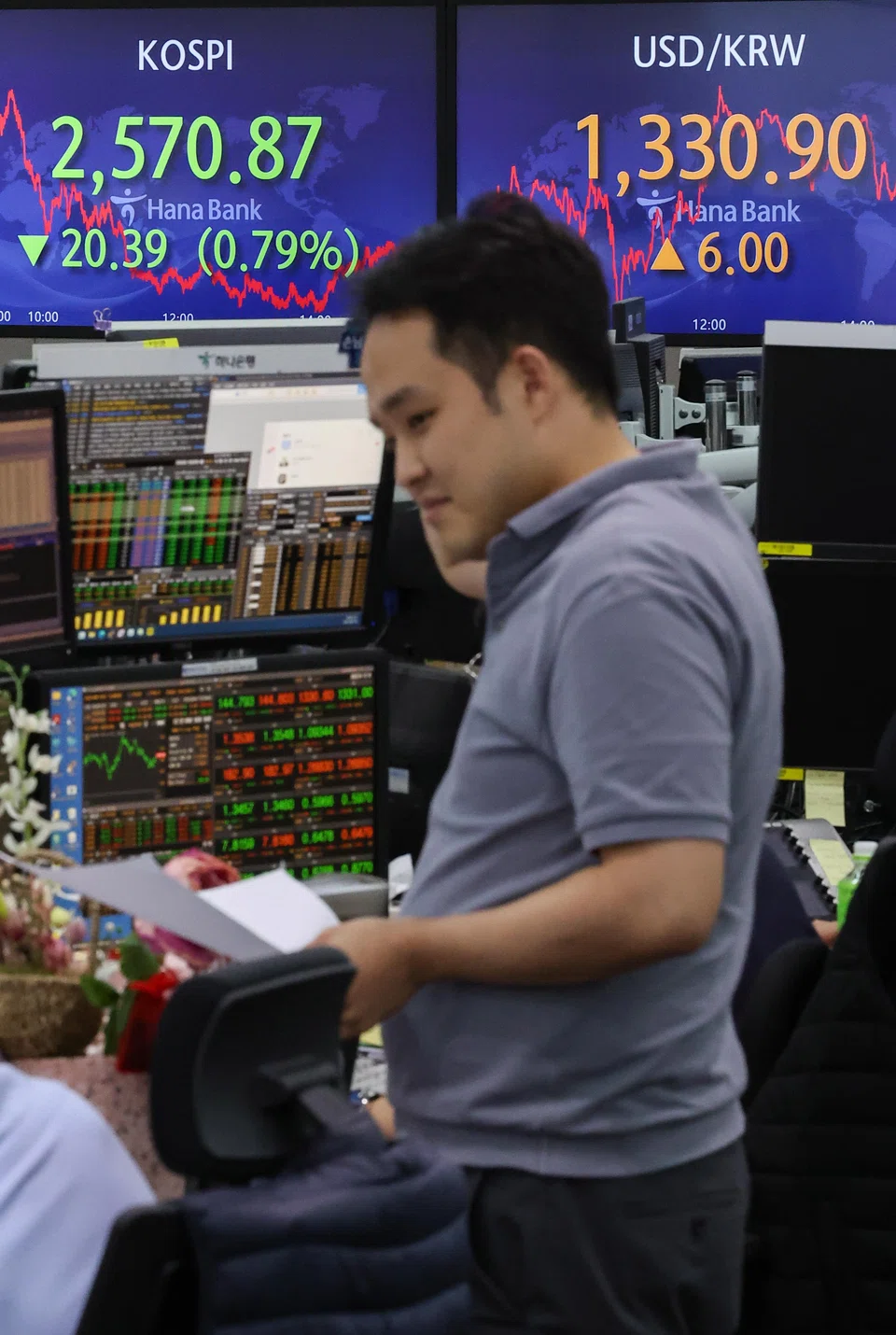
SOUTH Korea’s inflation unexpectedly accelerated in October, reinforcing the case for the central bank to keep its restrictive policy in place for longer.
Consumer prices advanced 3.8 per cent from a year earlier, as the pace of growth quickened compared with 3.7 per cent in September, the statistics office reported on Thursday (Nov 2). Economists surveyed by Bloomberg had expected inflation to come in at 3.6 per cent.
The reading was at odds with the Bank of Korea’s (BOK) view that inflation would start to slow from October after having risen for a couple of months. With the policy focus remaining on inflation, the central bank has been keeping the door open to another possible rate hike from the current 3.5 per cent, a level it already characterises as restrictive.
The bank is also wary of elevated borrowing costs weighing on economic growth. One board member said last month that the BOK should also be open to the idea of cutting rates if needed, in the first sign of dissent over the trajectory of policy in months.
Adding to the complexity of the policy equation is the Israel-Hamas conflict, which threatens to boost oil prices if it broadens into regional hostilities. BOK governor Rhee Chang-yong has said that the conflict has thrown growth forecasts for 2024 into question.
For now, a rebound in exports and industrial production is reaffirming confidence the Korean economy will grow largely as expected for this year. With the US economy also showing surprising growth, the BOK considers it too early to talk of relaxing its stance.


Navigate Asia in
a new global order
Get the insights delivered to your inbox.
A key factor for what comes next will be the Federal Reserve. Chairman Jerome Powell hinted on Wednesday that the US central bank may now be finished with the most aggressive tightening cycle in four decades.
The BOK likely wants to see stable inflation readings in the 2 per cent range before considering any policy easing. Inflation is likely to slow to that range next year, the BOK has said, with a growing number of economists expecting a rate cut then.
A rekindling of appetite for household debt is another reason the BOK is expected to keep its rate restrictive. A tight policy also helps prevent the local currency from weakening further against the US dollar and ramping up the nation’s import bill. BLOOMBERG
Decoding Asia newsletter: your guide to navigating Asia in a new global order. Sign up here to get Decoding Asia newsletter. Delivered to your inbox. Free.
Share with us your feedback on BT's products and services

