South Korea inflation stays elevated, stoking price concerns
 Add BT as a preferred source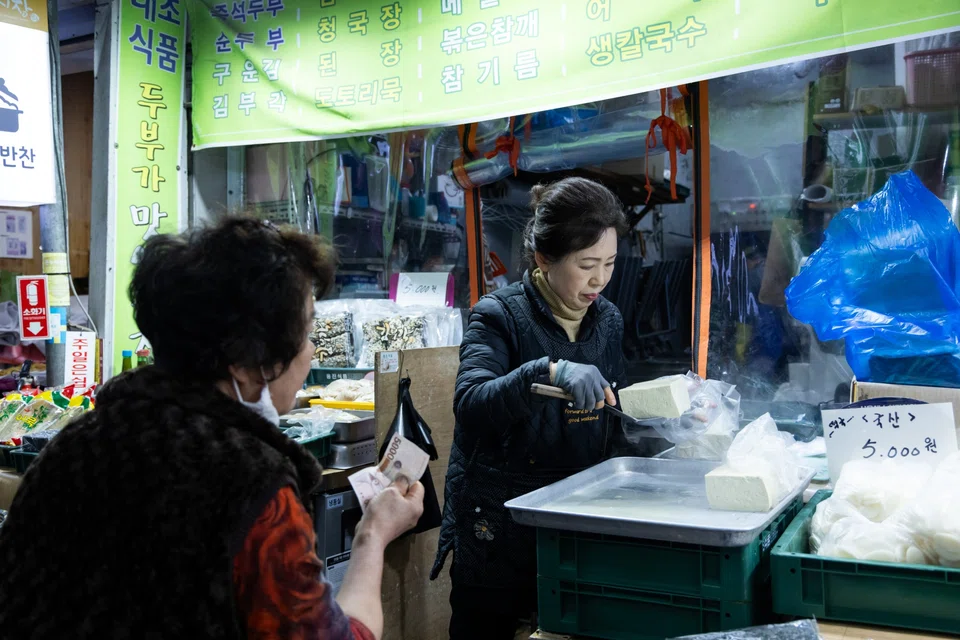
DeeperDive is a beta AI feature. Refer to full articles for the facts.
SOUTH Korea’s inflation outstripped forecasts in March, reinforcing the view that it is still too soon for the central bank to consider easing its policy settings.
Consumer prices advanced 3.1 per cent in March from a year earlier, the same pace as in February, the statistics office reported on Tuesday (Apr 2). Economists surveyed by Bloomberg had predicted the rate would slow to 3 per cent. Gains in prices excluding food and energy decelerated a tad to 2.4 per cent.
Inflation is on the minds of South Korean voters as they prepare to go to the polls next week to form a new parliament. The outcome of the Apr 10 election will influence President Yoon Suk-yeol’s ability to carry out his policy agenda for the rest of his term ending in 2027.
Food prices have been of particular concern for policymakers in recent months, prompting them to introduce measures to promote discounts among retailers. The government has also said it will freeze public utility charges in the first half as part of its campaign to fight the cost of living increases.
South Korea’s grocery and beverage prices again led growth, rising 6.7 per cent from a year earlier. Prices of clothes and shoes increased 5.4 per cent while those of household services and products rose 3.1 per cent, the data showed.
The Bank of Korea (BOK) is doing its part as well, keeping its benchmark interest rate elevated at 3.5 per cent. The central bank has been careful to avoid telegraphing an early policy pivot that could reignite household debt and undermine public confidence in policy consistency.
Navigate Asia in
a new global order
Get the insights delivered to your inbox.
The BOK wants to see inflation settle stably into the 2 per cent range before authorities start to consider cutting rates. Economists surveyed by Bloomberg predicted that consumer-price growth will slow to the mid-2 per cent range in 2024, with the BOK expected to cut its key interest rate by 50 basis points by the end of the year.
For now, continued growth in exports and industrial production is giving the BOK confidence it can keep its key rate at restrictive levels for longer if it needs to do so. South Korea’s shipments abroad rose 9.9 per cent in March from a year earlier in working-day adjusted terms, boosting optimism over the economic outlook.
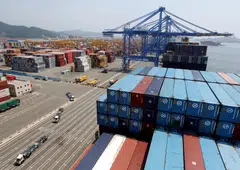
South Korea also posted a trade surplus of US$9 billion for the first three months of the year. The surplus combined with the BOK’s restrictive policy helped support the won against the US dollar. Stable exchange rates are crucial to South Korea as it relies heavily on imports for food and energy, while its manufacturers are among the world’s leading exporters.

Indications that the Federal Reserve may not reduce rates as quickly or deeply as previously predicted in 2024 are another factor giving the BOK a reason to take its time.
South Korea’s transportation costs rose 2.8 per cent and prices associated with entertainment and cultural activity grew 1.5 per cent from a year earlier in March, Tuesday’s data showed. Medical prices rose 1.9 per cent and communications-related costs edged up 0.3 per cent.
Decoding Asia newsletter: your guide to navigating Asia in a new global order. Sign up here to get Decoding Asia newsletter. Delivered to your inbox. Free.
Share with us your feedback on BT's products and services